0%

Choosing among the Top China Aluminium Sliding Window Suppliers requires more than comparing online prices. A reliable supplier should demonstrate controlled extrusion, accurate fabrication, tested hardware, and consistent quality records. Look closely at the profile wall thickness, thermal-break design, glass specification, drainage paths, and roller performance. Small details matter. A poorly adjusted roller can make a large sash feel heavy within months.

Façade engineer Thomas Herzog has described the window as “the most sensitive part of the building envelope.” That principle remains valuable when assessing an Aluminium Sliding Window supplier. The best manufacturers connect appearance with measurable performance, including air tightness, water resistance, wind-load capacity, acoustic control, and thermal efficiency. Ask for test reports, project references, production photographs, and installation guidance. Also check whether the quoted system matches your climate, opening size, and building use. A supplier may offer attractive finishes, but weak after-sales support can create expensive delays.

Experience reveals another concern. The lowest quotation is not always the lowest cost. Thin profiles, generic rollers, unclear glass grades, or incomplete accessories may appear only after ordering. Some supplier websites also present impressive claims without enough technical evidence. That deserves caution. A dependable factory welcomes detailed questions and explains limitations honestly. This guide compares leading China-based suppliers through product quality, customization, certifications, manufacturing capacity, delivery reliability, and service response. No ranking is permanent. Your project conditions should influence the final decision.
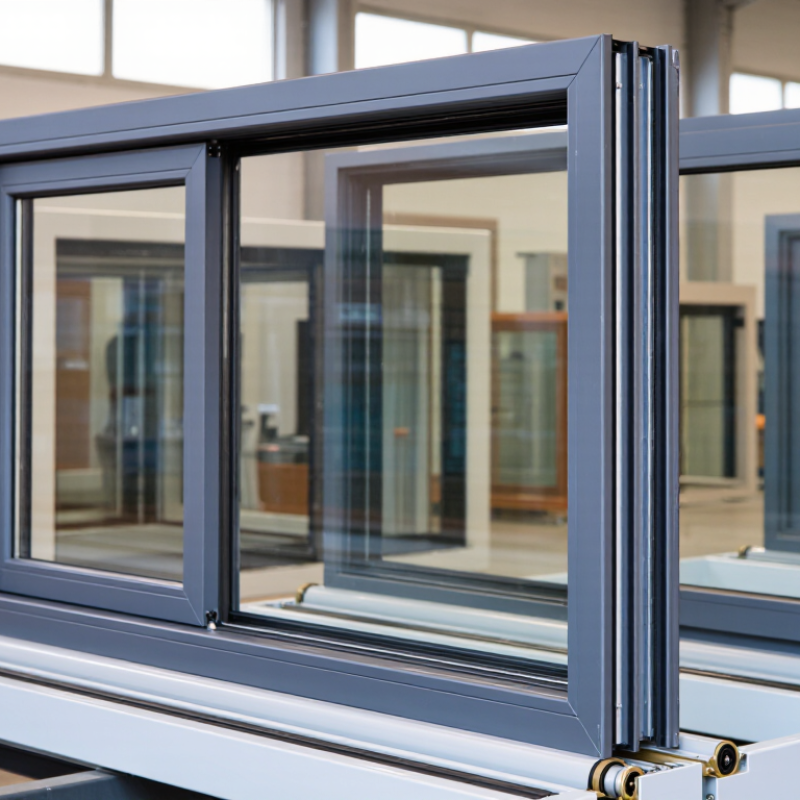
Top China Aluminium Sliding Window Suppliers?

What Defines a Top China Aluminium Sliding Window Supplier?

A top China aluminium sliding window supplier proves performance before discussing price. The U.S. Department of Energy reports that windows can cause 25–30% of residential heating and cooling energy use. Therefore, serious suppliers should provide tested U-values, solar heat gain coefficients, air leakage, water resistance, and structural performance. These figures matter more than polished catalog images.

Material control reveals practical experience. Ask for aluminium alloy specifications, thermal-break details, coating thickness, hardware load ratings, and batch traceability. A reliable factory should show accredited laboratory reports and production records, not only internal inspection sheets.

The International Energy Agency’s Buildings 2023 report states that buildings produced about 26% of global energy-related emissions in 2022. Better frame design, glazing selection, and sealing can support measurable energy improvements. However, performance depends on installation quality too. Suppliers should provide installation drawings, tolerances, drainage details, and site guidance.

Authority also requires honest communication. ISO 9001 certification can indicate process control, but it does not guarantee every window will perform well. Request recent project references, sample testing, and clear warranty conditions. A factory visit may reveal imperfect housekeeping or inconsistent labeling. That deserves questions, not instant rejection. No supplier is flawless. The stronger partner explains weaknesses, records corrective actions, and accepts independent inspection before shipment.

Key Product Types and Aluminium Window Specifications

Aluminium sliding windows come in several practical forms. Two-panel systems suit bedrooms and compact balconies, while three-panel designs create wider openings. Lift-and-slide units handle larger sashes, but they need stronger rollers and accurate installation. Slim-frame windows offer more glass and daylight. They may provide less space for hardware and drainage.

Specifications matter more than appearance. Common profiles use 6063-T5 or 6063-T6 aluminium, with powder-coated or anodised finishes. Frame depths often range from 70 to 100 millimetres. For better insulation, choose thermal-break profiles with polyamide strips. Double glazing, such as 5+12A+5 millimetres, improves comfort in many climates. Low-emissivity glass can reduce heat transfer, though its value depends on orientation and local weather.

Check more than catalogue drawings. Ask suppliers for air-tightness, water-tightness, wind-load, and thermal-performance test reports. Hardware should include corrosion-resistant rollers, adjustable locks, and a continuous drainage path. Installation gaps also affect performance. A perfect window can leak when fitted poorly. I have seen specifications look impressive, yet the weak point was the sill connection. Larger glass is attractive, but heavier sashes increase wear. This trade-off deserves careful review.

How to Evaluate Chinese Sliding Window Manufacturers

Top China Aluminium Sliding Window Suppliers?

Choosing Chinese sliding window manufacturers requires more than comparing catalog prices. Start with traceable production evidence. Ask for aluminium alloy grades, wall-thickness records, powder-coating results, and thermal-break specifications. A reliable factory should provide recent test reports, not generic certificates copied from another project.

Energy performance deserves careful attention. The International Energy Agency reported that building operations represented about 30% of global final energy consumption and 26% of energy-related emissions in 2022. Therefore, evaluate U-values, air leakage, water penetration, and solar heat gain under recognized testing methods. Request full test conditions and sample sizes. A low advertised U-value may describe glass only, not the complete window.

Inspect the factory remotely or in person. Check extrusion storage, corner crimping, drainage paths, gasket installation, and protective packaging. A sample corner should close smoothly, without visible gaps or rattling hardware. Production capacity also needs evidence. Compare machine lists with recent shipment records and quality-control documents. ISO 9001 certification can indicate process discipline, but it does not guarantee every batch.

Ask how defects are recorded. Ask again.

Clarify tolerances, replacement procedures, container loading, and after-sales response times. The best supplier is not always the cheapest. However, I would still challenge polished presentations. A clean showroom can hide inconsistent assembly lines. Require a pilot order, independent inspection, and written acceptance criteria before scaling production.

Quality Standards, Customization, and Production Capabilities

When evaluating top China aluminium sliding window suppliers, quality begins with documented controls, not polished catalogues. Experienced buyers should request material certificates, alloy grades, coating reports, and test records for every major project. A reliable factory can explain its inspection points clearly, from billet storage to final packaging. Ask for evidence. Useful standards may include ISO 9001, EN 14351-1, or regional performance requirements. However, certification alone proves little if production records are incomplete or outdated. Check air tightness, water resistance, wind load, thermal performance, and hardware durability through independent testing where possible.

Customization should be practical, not merely visual. Suppliers may adjust frame depths, sash sizes, glazing thickness, drainage paths, colors, and locking systems. Good engineering teams review site dimensions and climate before confirming drawings. They should identify risks such as oversized panels, coastal corrosion, poor drainage, or incompatible glass weights. Small details matter. Ask for shop drawings, section samples, finish swatches, and a tested prototype before approving mass production. Project experience shows that attractive samples can fail when roller systems do not match completed sash weights. That mistake is preventable, but only with honest technical review.

Production capability depends on process control, not factory floor size. Look for stable material sourcing, CNC machining, surface treatment control, assembly lines, and final inspection. A capable supplier tracks batch numbers, tolerances, sealant application, glass fit, and packaging condition. Request a realistic capacity plan with tooling dates, sample approval stages, and shipment milestones. Be cautious with promises of unlimited output. Peak-season delays happen. A strong supplier reports problems early and proposes measurable corrections. Some specifications may still need revision after installation feedback, and that is normal.

Top China Aluminium Sliding Window Suppliers: Quality, Customization & Production Capabilities

A practical procurement framework for evaluating aluminium sliding window suppliers. The weighting reflects common buyer priorities: verified quality standards, project customization, and dependable production capability.

How to use this chart: Ask suppliers to provide objective evidence for each area, such as ISO 9001 documentation, EN 14351-1 or equivalent test reports, confirmed profile and glass specifications, color and hardware options, production lead times, inspection records, and export packaging procedures.

Ordering, Pricing, Shipping, and Supplier Verification in China

Choosing Top China Aluminium Sliding Window Suppliers: Ordering, Pricing, Shipping, and Verification

China’s aluminium supply base is extensive. The International Aluminium Institute reported about 41.5 million tonnes of Chinese primary aluminium production in 2023. This scale supports competitive window pricing, but quotations can hide major differences.

Ask for alloy grade, profile thickness, thermal-break design, glass specification, hardware list, and surface-finish standard. A low price often excludes screens, packaging, testing, or installation accessories. Request a complete pro forma invoice. It prevents unpleasant revisions.

Order samples before approving a production batch. Check corner joints, drainage holes, locking force, frame straightness, and powder-coating consistency under direct light.

Ask for recent factory photos, business registration details, export records, and quality certificates that match the actual product. Independent inspection is wiser than trusting photographs alone.

I have seen attractive samples fail because the production profile was thinner. That risk deserves attention.

Shipping needs equal care. UNCTAD’s Review of Maritime Transport reports that over 80% of global merchandise trade moves by sea, so port delays can affect project schedules.

Compare FOB, CIF, and DDP quotations carefully, including destination charges and customs responsibility. Use reinforced cartons, corner protection, moisture barriers, and vertical loading for long frames.

Confirm container dimensions before payment. Freight prices change quickly, and delivery estimates are never perfect.

A written tolerance for color variation, dimensions, breakage, and late delivery makes supplier discussions more reliable.

FAQS

What aluminium sliding window suits a small bedroom or balcony?

A two-panel system often fits compact openings. It needs less wall clearance. Measure the opening carefully.

When is a three-panel or lift-and-slide design useful?

Three-panel windows create wider openings. Lift-and-slide units suit larger sashes and heavier glass. They need stronger rollers and precise installation.

What profile features can improve insulation?

Choose thermal-break profiles with polyamide strips. Frame depths commonly range from 70 to 100 millimetres. Double glazing, such as 5+12A+5 millimetres, can improve comfort. Results depend on climate and window direction.

What are the main advantages and drawbacks of slim frames?

Slim frames provide more glass and daylight. However, they may leave less room for hardware and drainage. More daylight is not always better.

Which performance reports should a supplier provide?

Request air-tightness, water-tightness, wind-load, and thermal-performance reports. These documents matter more than catalogue drawings. Verify that reports match the actual design.

What should buyers inspect in a physical sample?

Check corner joints, drainage holes, locking force, frame straightness, and coating consistency. Use direct light. Samples can mislead when production profiles are thinner.

Why can a good window still leak?

Poor installation can weaken an excellent design. Check the sill connection and installation gaps. Keep the drainage path continuous. This detail is easy to overlook.

What should a complete quotation include?

Ask for alloy grade, profile thickness, glass, hardware, finish, screens, packaging, testing, and accessories. Request a complete pro forma invoice. A low price may hide missing items.

How can larger glass panels affect maintenance?

Larger glass improves views and daylight. Heavier sashes increase roller wear. Review the hardware capacity carefully. The balance is not perfect.

How can shipping and supplier risks be reduced?

Compare FOB, CIF, and DDP terms carefully. Confirm destination charges and customs responsibility. Use reinforced cartons, corner protection, moisture barriers, and vertical loading. Confirm container dimensions before payment. Independent inspection is wiser than trusting photographs alone.

Conclusion

Choosing a top China Aluminium Sliding Window supplier requires more than comparing prices. A reliable manufacturer should offer well-engineered products, including standard and thermally improved sliding window systems, with clear specifications for frame thickness, glass options, hardware, insulation, drainage, and surface finishes. Buyers should assess production experience, material traceability, quality-control procedures, testing capabilities, and the supplier’s ability to support customized dimensions, colors, configurations, and project requirements.

Before placing an order, request detailed quotations, technical drawings, samples, certifications, and production timelines. Confirm minimum order quantities, packaging methods, payment terms, loading arrangements, and shipping responsibilities in writing. Factory audits, video inspections, independent quality checks, and verified business documentation can help reduce purchasing risks. A dependable supplier should communicate clearly throughout sampling, manufacturing, inspection, and delivery, while providing consistent quality and practical after-sales support for residential, commercial, and architectural projects.

Amelia

Amelia

Amelia is a dedicated marketing professional with a deep understanding of the company’s products, services, and customer needs. With extensive experience in market research, content strategy, and digital communication, she transforms complex product information into clear, practical, and engaging......