Choosing the right Aluminum Window is not simply a matter of appearance. Global buyers must match each window type to its climate, building design, and daily use. A sliding unit can save space beside a narrow balcony. A casement window can open wide for ventilation. Tilt-turn designs offer flexible opening options, while fixed windows bring daylight where ventilation is unnecessary.
Performance deserves equal attention. Frame depth, thermal breaks, glazing, seals, and hardware all affect comfort and durability. Building-science researcher Dr. Stephen Selkowitz is a recognized expert in windows and building technology. A concise paraphrase of the performance principle reflected in his work—not a verbatim quotation—is: “Judge the window as part of the whole building envelope.” That distinction matters. A strong frame cannot compensate for unsuitable glass or poor installation.
This guide compares common Aluminum Window types and explains where each may fit. It also considers thermal performance, maintenance, operating style, and specification details buyers should verify with suppliers. Ask for product data, not just polished photographs. Check that stated performance values apply to the complete window assembly. Small details count.
There is no universal winner. A coastal project, a cold-climate home, and a high-rise façade face different demands. Some choices may look right on paper but disappoint in daily use. That is worth remembering. The best selection balances local conditions, project requirements, and credible technical evidence.
Top Aluminum Window Types for Global Buyers
How Aluminum Window Types Are Classified
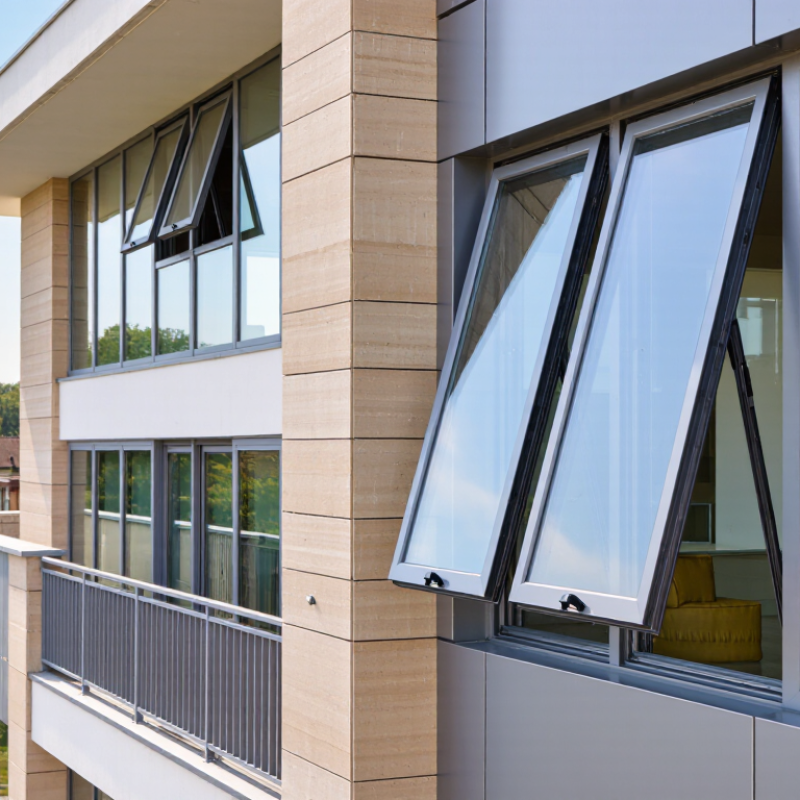
Aluminum windows are commonly grouped by how their sashes open. Casement windows hinge at the side and swing outward, while awning windows hinge at the top. Sliding windows move horizontally along a track. Tilt-and-turn designs can tilt inward for ventilation or swing inward for cleaning. Fixed windows do not open, so they suit spaces where daylight matters more than airflow.
Names can vary. A supplier may describe the same unit by its opening action, frame layout, or intended position. Buyers can also compare single- and multi-panel designs, thermal-break construction, and glazing options. These features affect installation needs, insulation, and the view through the frame. A category label alone cannot confirm how a window will perform in a particular building. Check drawings, opening direction, drainage details, and documented product specifications. I have seen tidy product tables leave out small details, such as handle clearance near a wall.
Tips: Match the opening style to the room. A wide sliding panel needs clear track space; a casement needs room to swing. Measure the finished opening, not just the old frame. Then confirm local climate requirements and installation conditions with a qualified professional. Measure twice. Names are imperfect.
Casement and Awning Windows: Hinged Designs for Ventilation
Casement windows open from one side, using hinges and an operating handle. Their sash can catch breezes more effectively than many sliding designs. This helps ventilate bedrooms, kitchens, and narrow urban rooms. Awning windows hinge at the top and open outward from the bottom. They can admit air while the glass above helps reduce light rain entry. Useful, but not weatherproof.
For global buyers, frame quality deserves close attention. Aluminum profiles with thermal breaks can reduce heat transfer between indoor and outdoor surfaces. Multi-point locks usually improve compression around the seals. Stainless or corrosion-resistant hardware suits coastal locations better. Check drainage paths, gasket fit, and hinge strength before ordering. A poorly aligned sash may create drafts, even when the frame looks impressive.
Outward-opening windows need clear exterior space. Consider balconies, walkways, shutters, and cleaning access. Wind exposure also matters, especially on taller buildings. I have found that larger sashes feel excellent in mild weather but demand stronger hardware and careful installation. That trade-off is easy to underestimate. Local building requirements may also control opening size, safety glazing, and emergency access. Ask for air, water, and structural performance data from the supplier. Do not rely on appearance alone.
Sliding and fixed aluminum windows serve different priorities in international projects. Sliding units move along their frames, preserving floor space for furniture, balconies, and narrow walkways. Fixed windows do not open, so they usually deliver cleaner sightlines and stronger air tightness. That difference matters in high-rise apartments, hotels, and offices facing bright urban views.
The U.S. Department of Energy reports that windows can represent about 25% of household heating and cooling energy use. Therefore, global buyers should compare U-values, solar heat gain coefficients, glass coatings, and frame thermal breaks. Aluminum offers strength and slim profiles, but untreated frames can transfer heat quickly. Specify thermally improved sections where climate demands them. Small details matter.
Views still need control. A large fixed pane may increase glare, heat gain, and cleaning costs. A sliding window improves ventilation, but its overlapping sashes can reduce sealing performance. The International Energy Agency’s Buildings 2023 report states that buildings consume about 30% of global final energy. Window selection cannot solve that problem alone. It can, however, reduce avoidable loads when correctly specified. On-site mock-ups are useful. They expose weak handles, noisy rollers, and uncomfortable glass temperatures before mass production. One assumption often fails: bigger glass is not always better.
Tilt-turn aluminum windows suit buyers who need ventilation, security, and flexible opening control in one system. The sash tilts inward from the top for controlled airflow, then turns inward for wide access and easier cleaning. This design works well in apartments, offices, and coastal homes where outside maintenance is difficult.
A reliable system needs more than a sleek aluminum frame. Thermal breaks reduce heat transfer through the profile, while low-emissivity glazing improves indoor comfort. Multi-point locking can strengthen the seal around the sash. Drainage channels and properly sized gaskets help manage heavy rain. In humid or coastal regions, buyers should verify alloy treatment, powder-coating quality, and corrosion resistance.
Other multi-function options include parallel-opening windows, lift-and-slide units, and top-hung awning windows. Each solves a different ventilation problem. Large lift-and-slide panels create broad openings, but they demand accurate installation and strong rollers. Awning windows resist light rain better, although their outward projection may conflict with walkways. In field inspections, even excellent hardware has failed after poor alignment. A perfect specification is not enough. Buyers should request air, water, and structural test data, then confirm local code requirements and replacement-part support. Manufacturers may promise smooth operation, but long-term performance depends heavily on installation quality.
Top Aluminum Window Types for Global Buyers
Global buyers should compare aluminum windows by climate, building codes, and daily use. The UNEP Global Status Report for Buildings and Construction 2023 says buildings consumed about 30% of global energy in 2022. Window performance matters. The U.S. Department of Energy estimates that windows can cause 25%–30% of residential heating and cooling energy use.
In hot regions, thermally broken aluminum windows with low-emissivity double glazing can reduce heat transfer. Deep frames and solar-control glass help in strong sunlight. In cold climates, buyers often need triple glazing, warm-edge spacers, and lower U-values. Non-thermal aluminum frames suit mild climates, workshops, and interior partitions. They cost less, but they may create condensation in humid or cold conditions.
Codes must guide the specification. Buyers should request tested U-values, solar heat gain coefficients, air leakage results, and water penetration data. ISO 10077 supports thermal-performance calculations, while regional standards may require separate structural and weather tests. Coastal projects need durable coatings and suitable hardware. High-wind buildings need verified pressure ratings, not attractive catalog claims. Impact-resistant designs may be necessary in storm-prone areas.
Here is the difficult part. A lower U-value does not solve every problem. Poor installation can leave gaps around the frame. Field experience shows that drainage, flashing, and fastener selection deserve equal attention. Compare certified test reports, local code requirements, and warranty conditions before choosing a window type. Mistakes happen when buyers compare glass alone.
| Window type | Operation and ventilation | Weather and air-sealing considerations | Climate suitability | Common uses | Key checks for buyers |
|---|---|---|---|---|---|
| Casement | Side-hinged sash opens outward or inward; provides a wide opening and can direct breezes indoors. | Compression seals can provide effective air and water resistance when the unit is correctly designed, installed, and maintained. An outward-opening sash may need protection from strong winds. | Suitable for many climates. In exposed or storm-prone locations, confirm tested wind-load and water-penetration performance for the required size and configuration. | Bedrooms, living areas, and other spaces where broad ventilation and a clear opening are desired. | Check opening direction, hardware strength, insect-screen arrangement, cleaning access, and local egress requirements. |
| Awning | Top-hinged sash opens outward, allowing ventilation through the lower opening. | The projecting sash can help limit direct rain entry during light rain, but it does not make a window weatherproof in severe wind-driven rain. Performance depends on the complete tested assembly. | Useful where ventilation during light rain is desirable. In high-wind or heavy-rain locations, confirm water and wind ratings and follow local installation requirements. | Bathrooms, kitchens, and higher-level openings; often used with fixed glazing. | Check sash projection, safe clearance from walkways, hardware, ventilation needs, and whether the opening meets applicable egress rules. |
| Horizontal sliding | One or more sashes slide horizontally; typically offers a simple operation and does not project outward or inward. | Sliding designs commonly use tracks and weather seals rather than the continuous compression closure of many hinged windows. Track drainage and seal condition are important to water management. | Can suit a wide range of climates when selected with appropriate tested ratings. Pay particular attention to wind-driven rain, air leakage, and drainage in exposed locations. | Wide openings, patios, apartments, and locations where projecting sashes would obstruct space. | Check drainage paths, track maintenance, locking points, screen configuration, and the effective clear opening for ventilation or egress. |
| Fixed | Does not open; provides daylight and views without a ventilation opening. | With fewer moving joints, a fixed unit can achieve strong air and water resistance, subject to frame design, glazing, seals, and installation quality. | Can be used in most climates. Thermal performance depends on the glass, frame construction, and whether thermal breaks are included where needed. | Large view areas, stairwells, façades, and combinations with operable windows. | Confirm that ventilation and emergency escape are provided elsewhere where required; assess glass safety, solar control, and replacement access. |
| Tilt-and-turn | Typically tilts inward at the top for controlled ventilation and swings inward for a larger opening; operation depends on hardware configuration. | Multi-point locking and compression seals can support good air and water resistance when the product has suitable test results and is installed correctly. | Often considered for climates that need both controlled ventilation and a tighter closure. Verify suitability for local wind exposure and any outward-opening or fall-safety rules. | Homes and multi-residential buildings where flexible ventilation and inward cleaning access are valued. | Check operating clearance indoors, hardware capacity, child-safety provisions, and local requirements for escape openings. |
| Single- or double-hung | One sash (single-hung) or both sashes (double-hung) move vertically; some models allow tilting for cleaning. | Weather performance varies by design and seal system. Moving sash joints require proper adjustment and maintenance to preserve closure and drainage. | Can be used in many regions when the chosen model meets local performance requirements. In hot climates, operable upper and lower sashes may support natural airflow where conditions allow. | Residential façades and projects where a vertically proportioned appearance or inward cleaning access is preferred. | Check sash balance, locking, screen design, cleaning method, and clear opening dimensions for ventilation and egress. |
| Thermally broken aluminum option | This describes frame construction, not an opening style; it can be used with several window types. | A thermal break separates interior and exterior aluminum sections to reduce heat transfer through the frame. It does not by itself determine air or water tightness. | Often worth evaluating in heating- or cooling-dominated climates and where indoor comfort or condensation control is important. Confirm whole-window thermal data for the selected glazing and frame. | Projects with energy-performance targets, conditioned interiors, or large areas of aluminum framing. | Compare certified whole-window U-factor or U-value and solar heat gain data using the applicable local rating method; also review condensation and installation details. |
Selection note: Requirements and test methods differ by country and project. Compare whole-window test results for the specified size and configuration, and verify applicable energy, wind-load, water-penetration, safety-glazing, ventilation, and emergency-egress rules with the local authority or project professional.
They are grouped by how their sashes open. Common types include casement, awning, sliding, tilt-turn, and fixed windows. Names can differ between suppliers.
A casement window hinges at the side and opens outward. It can catch breezes in bedrooms, kitchens, and narrow rooms. Allow space outside for the sash.
An awning window hinges at the top and opens outward from the bottom. It allows ventilation while limiting light rain entry. It is useful, but not fully weatherproof.
Sliding windows move horizontally along a track. They suit areas with limited exterior space, such as balconies or narrow walkways. Keep the track clear and check drainage details.
They tilt inward for controlled ventilation and turn inward for cleaning. This design suits apartments, offices, and homes with difficult exterior access. The opening action needs careful operation.
Thermal breaks reduce heat transfer through the aluminum frame. They may improve indoor comfort in hot or cold climates. Glazing, seals, and installation still affect the final result.
Check corrosion resistance, alloy treatment, coating quality, and hardware materials. Stainless or corrosion-resistant hardware may suit coastal conditions better. Small drainage problems can become serious later.
Match the window to the room and available space. A casement needs swing clearance, while a sliding panel needs track space. Measure the finished opening, not only the old frame.
Request drawings, opening directions, drainage details, and product specifications. Air, water, and structural test data are also useful. A neat table may still omit handle clearance or replacement details.
Aluminum Window types are commonly classified by their opening method, operating function, and suitability for different building applications. Casement and awning windows use hinged sashes to provide strong ventilation and flexible airflow control, while sliding windows move horizontally to save space and offer convenient operation. Fixed windows do not open, but they maximize natural light and uninterrupted views, making them useful for areas where ventilation is not required.
For more adaptable performance, tilt-turn and other multi-function aluminum window systems can combine secure ventilation, easy cleaning, and practical indoor control. Global buyers should compare each type according to climate, local building codes, energy-efficiency expectations, maintenance needs, and intended use. Wind exposure, rain protection, thermal performance, safety requirements, and available installation space can all influence the best choice. A well-matched window type can improve comfort, durability, daylight access, and long-term value across residential and commercial projects.