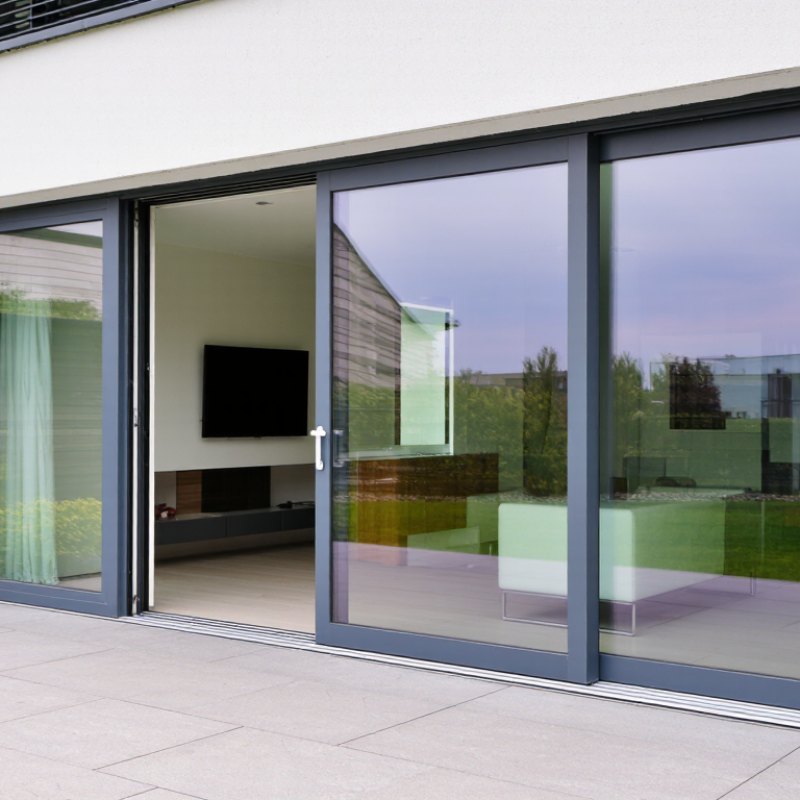
Choosing the best Aluminium Sliding Doors is not simply a matter of selecting the widest glass panel. The right system must suit the building, climate, daily habits, and installation conditions. A coastal home may need stronger corrosion resistance, while a city apartment may prioritise acoustic insulation and smooth, quiet movement. In a busy kitchen, the handle should feel solid, and the track should not collect crumbs after a week of use.
Architect and building-performance expert Steve Mouzon often reminds designers, “A building should work beautifully before it is decorated.” This principle applies closely to Aluminium Sliding Doors. Their beauty matters, but performance comes first. Frame strength, thermal breaks, drainage, glazing thickness, locking points, and threshold design all affect long-term comfort. A slim frame can create a bright opening, yet an ultra-thin profile may not suit every span or weather exposure.
This guide compares the main door types, including lift-and-slide, standard sliding, and thermally broken systems. It also considers panel size, energy efficiency, security, maintenance, and installation quality. There is no universal winner. That is the uncomfortable part. A premium door can still perform poorly if the opening is measured inaccurately or the rollers are poorly adjusted.
Look beyond showroom movement. Test the handle. Inspect the seals. Ask how replacement hardware is supported. The best Aluminium Sliding Doors should feel effortless today and remain dependable years later. Even then, every project deserves a second look.
Types of Aluminium Sliding Doors and Their Key Features
What Type of Aluminium Sliding Doors Is Best?
Aluminium sliding doors come in several practical forms. Two-panel doors suit compact openings and provide a simple, economical layout. Three-panel and four-panel systems create wider clear openings, often connecting kitchens with patios or balconies. Their larger glass areas improve daylight, but they also demand stronger rollers and careful frame alignment.
Lift-and-slide doors use a handle-operated mechanism to raise the panel slightly before movement. This reduces friction and supports heavier glazing. They usually offer smoother operation than conventional sliding doors. Thermal-break aluminium doors include an insulating barrier inside the frame. This feature limits heat transfer through the metal, especially in colder or hotter climates. Slimline systems provide narrow sightlines and a cleaner view, although some designs may sacrifice insulation or hardware capacity.
Performance matters more than appearance alone. The U.S. Department of Energy states that windows can account for 25–30% of residential heating and cooling energy use. Therefore, buyers should compare U-factor, solar heat gain coefficient, air leakage, and water resistance. Professional testing under NFRC or equivalent standards makes those figures more reliable. On-site installation remains critical. Even a high-performing door can leak air through poor sealing or uneven tracks. I would not choose the slimmest frame automatically. It may look elegant, but local weather, glass weight, drainage, and daily traffic should decide the final specification.
How Door Materials, Frames, and Glass Affect Performance
What Type of Aluminium Sliding Doors Is Best?
Door performance begins with the frame, not the handle. Aluminium provides slim sightlines and strong resistance to warping. However, untreated metal transfers heat quickly. A thermally broken frame separates the inner and outer aluminium sections with an insulating barrier. This helps reduce heat flow, but it cannot fix every weakness. Poor corner joints, worn rollers, and blocked drainage can still create drafts or water entry. In practice, inspect the sill after heavy rain. Brochures cannot show everything.
Glass often determines indoor comfort. The U.S. Department of Energy reports that windows can represent 25–30% of residential heating and cooling energy use. Therefore, double glazing with a low-emissivity coating is often a sensible choice. In warm climates, a lower solar heat gain coefficient can limit unwanted heat. In colder areas, moderate solar gain may support passive warmth. The National Fenestration Rating Council recommends comparing whole-product U-factor, solar heat gain coefficient, and visible transmittance. Ask for certified values.
Installation matters just as much. A large panel with excellent glass can perform poorly when the track is misaligned. Reliable systems need continuous seals, stable rollers, and correctly sized drainage paths. Air leakage and water resistance ratings should be checked under recognised fenestration testing standards. I would not claim one configuration suits every home. Coastal exposure, room orientation, wind, and daily use can change the result. Sometimes, the most expensive glass still fails because the frame was fitted carelessly.
Comparing Thermal Efficiency, Security, and Weather Resistance
What Type of Aluminium Sliding Doors Is Best?
Thermal efficiency should guide your choice, especially in rooms facing strong sunlight or cold winds. Look for aluminium frames with a genuine thermal break, not hollow sections alone. Low-emissivity double glazing can reduce heat transfer and indoor condensation. Ask for the door’s tested U-value. Lower figures usually indicate better insulation, but installation quality still matters.
Security depends on the complete system. A strong frame is useful, yet weak rollers or poor locks can reduce protection. Choose multi-point locking, laminated safety glass, and anti-lift devices where suitable. Check whether the system has been tested for forced entry. Specifications can sound impressive. Request clear test evidence and examine the hardware before ordering.
Tips: Inspect the drainage channels and weather seals. Ask how often seals need replacement. For coastal homes, confirm corrosion-resistant finishes and stainless-steel components. In exposed locations, select doors tested for wind pressure and water resistance. A recessed track may improve weather protection, but it can collect dirt and restrict drainage. Do not ignore this detail. I have seen attractive doors perform poorly because the threshold was fitted without considering the finished floor level. Local exposure, glazing size, and installation workmanship should influence the final decision more than appearance alone.
What Type of Aluminium Sliding Doors Is Best?
Comparing thermal efficiency, security, and weather resistance across common aluminium sliding-door configurations.
The performance index is an indicative 0–100 comparison derived from typical tested characteristics:
lower U-values improve thermal efficiency, while higher resistance classes and water-pressure ratings improve security and weather resistance.
Thermally broken lift-and-slide systems generally provide the strongest overall balance, but final performance depends on the complete door specification and installation.
Choosing the Right Sliding Door for Different Building Needs
What Type of Aluminium Sliding Doors Is Best?
Choosing the Right Sliding Door for Different Building Needs
The best aluminium sliding door depends on the building, climate, and daily traffic. A quiet apartment needs different performance from a busy café. Measure the opening carefully before choosing the frame. Uneven floors can cause poor alignment, water entry, and difficult operation.
For homes, thermally broken aluminium frames help reduce heat transfer. Low-emissivity double glazing can improve indoor comfort near large glass openings. Choose smooth rollers and a low threshold for older residents or wheelchair users. A multipoint lock and laminated glass can also improve security. Keep the frame slim, but not at the cost of strength.
Commercial buildings need stronger hardware and easier maintenance. Entrances with heavy traffic should use tested rollers and replaceable tracks. In coastal areas, protective finishes and regular salt removal matter. Drainage channels must remain clear after dust, leaves, or construction debris collect inside. This detail is often ignored.
Large openings may require reinforced frames and structural review. Always check local building codes, glass safety requirements, ventilation rules, and accessibility standards. Site conditions can change the answer. I have seen attractive doors fail because the floor dropped slightly after installation. That mistake is expensive. Sometimes, a smaller panel with better support performs more reliably than a dramatic glass wall. Noise control also deserves attention, especially beside bedrooms, offices, or meeting rooms.
Installation, Maintenance, and Long-Term Cost Considerations
What Type of Aluminium Sliding Doors Is Best?
Installation, Maintenance, and Long-Term Cost Considerations
A suitable aluminium sliding door starts with accurate installation, not appearance alone. The opening must be square, level, and properly measured before the frame arrives. I have seen small installation errors cause stiff rollers, uneven gaps, and water entering beneath the sill. A qualified installer should use durable shims, correct flashing, and clear drainage paths. Thermal-break aluminium frames usually reduce heat transfer, although their value depends on local weather and glass selection. Check regional building requirements before choosing the glass thickness, safety features, and ventilation design.
Maintenance is simple but often neglected. Vacuum the track every few months, then wipe it with a mild, non-abrasive cleaner. Avoid heavy oil, which can collect dust and slow the rollers. Inspect seals for cracks and check whether the door closes evenly. In coastal areas, rinse salt deposits more frequently to reduce surface corrosion. Long-term cost depends on these habits, replacement parts, energy performance, and installation quality. A lower purchase price may become expensive if rollers, seals, or glass need early replacement. Still, expensive specifications are not automatically better for every home.
FAQS
Which aluminium sliding door suits a small opening?
A two-panel system usually fits compact openings. It offers a simple layout and often costs less. Check the clear passage carefully. Small is not always easier.
When are three-panel or four-panel doors useful?
They suit wider openings between kitchens, patios, or balconies. Larger glass areas bring in more daylight. However, heavier panels need stronger rollers and accurate alignment.
What is a lift-and-slide door?
A handle raises the panel slightly before it moves. This reduces friction and supports heavier glazing. Operation can feel smoother. The mechanism still needs proper adjustment.
Why choose a thermally broken aluminium frame?
An insulating barrier separates the inner and outer aluminium sections. This reduces heat transfer through the frame. It helps in hot and cold climates. It cannot repair poor seals.
Does slimline framing always provide better performance?
Slim frames create cleaner views and admit more visual openness. Some designs may reduce insulation or hardware capacity. I would not choose the slimmest frame automatically. Glass weight matters.
Which glass features can improve indoor comfort?
Double glazing with a low-emissivity coating can reduce unwanted heat transfer. A lower solar heat gain coefficient may help in warm climates. Colder areas may benefit from moderate solar gain. Ask for certified whole-door values.
What performance figures should buyers compare?
Compare U-factor, solar heat gain coefficient, visible transmittance, air leakage, and water resistance. Use results from recognised testing standards. A glossy brochure is not enough. Numbers need context.
How important is professional installation?
Installation is critical. A misaligned track can cause drafts, water entry, and difficult movement. Inspect the sill after heavy rain. Even expensive glass can fail after careless fitting.
Conclusion
Choosing the best Aluminium Sliding Doors depends on the building’s design, climate, usage, and budget. Different systems may feature slim frames, wide glass panels, multiple tracks, or enhanced opening flexibility. Frame materials, glass type, seals, and hardware all influence insulation, daylight, noise reduction, durability, and ease of operation. Double or improved glazing can support better thermal efficiency, while strong locks, reinforced frames, and safety glass can increase security and everyday confidence.
For homes, offices, and commercial spaces, the right door should balance appearance with weather resistance, ventilation, accessibility, and energy performance. Careful installation is essential to ensure smooth movement, proper drainage, and reliable sealing against wind and rain. Although higher-quality systems may cost more initially, they can reduce maintenance, improve comfort, and deliver better long-term value. Regular cleaning, track care, seal inspections, and hardware checks will help preserve performance and extend the service life of the doors.
Evelyn is a professional marketing specialist with a strong understanding of the company’s products, services, and the evolving needs of its customers. With a background in market research, content strategy, and customer communication, she transforms complex product information into clear,......