High-Performance Certified Glazing Systems
Engineered for extreme structural resilience, thermal isolation, and modern architectural aesthetics.
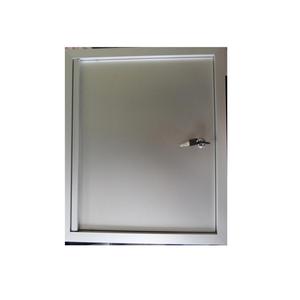
Small Alu-door Water Proof Aluminum Locker Door Aluminum Door Hot Sale in Europe
Get a Quote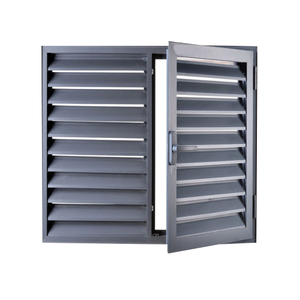
Doors Aluminium Safety Door With Sunshading Casement Sliding Louver Window Door List
Get a Quote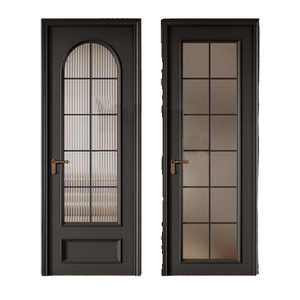
Aluminum Alloy Double Glazed Tempered Glass Waterproof Bedroom Kitchen Sliding Door NFRC American House Contractor Sliding Door
Get a Quote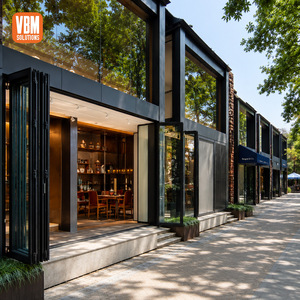
Customized Aluminum Bifold Door for Sunroom Courtyard Terrace Villa Large Opening Glass Door System
Get a Quote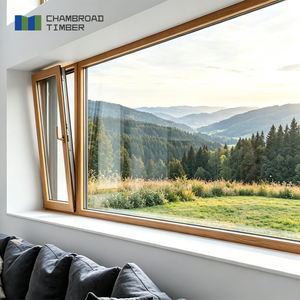
Aluminum Clad Wood Windows Triple Glazed Low-E Glass Hurricane Resistant Impact Tested Factory Wholesale for Villa Projects
Get a Quote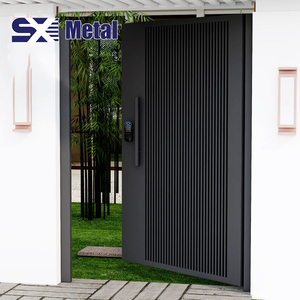
Exterior Door Villas Gates Aluminum Alloy Privacy Swing Gate Modern Design Automatic Opening Durable Construction 3D Modeling
Get a Quote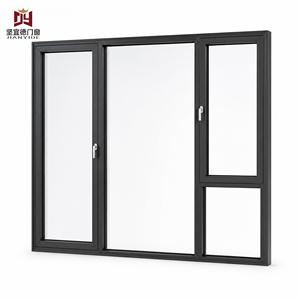
Aluminium Tilt And Turn Casement Windows With Insect Screen For European Residential Projects Custom Size OEM ODM CE Certified
Get a Quote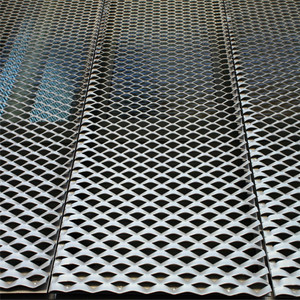
Customized Decorative Aluminum Expanded Metal Mesh
Get a QuoteNavigating International Standards in Architectural Aluminium Export
A comprehensive analysis on structural physics, CE marking verification, and supply chain risk mitigation for global real estate procurement.
CE Compliance & EN 14351-1 Standard
CE marking is not merely a export stamp; it is a rigorous regulatory mandate under the European Construction Products Regulation (CPR). Qualified exporters must substantiate declared performances via Factory Production Control (FPC) and Initial Type Testing (ITT) covering air permeability, water tightness, and structural wind load resistance.
Isothermal Thermal Break Engineering
Modern building codes demand zero thermal bridging. Utilizing high-grade Polyamide PA66GF25 structural insulation strips, certified windows break the conductive aluminum path. This shifts the isothermal line inward, eliminating surface condensation and significantly lowering building HVAC energy consumption.
Structural Physics & Wind Deflection
For high-rise coastal facades or modern luxury villas, section modulus (Ix, Iy) calculations dictate mullion design. Premier exporters calculate exact structural deflection limits (L/175 to L/300) to ensure large glass panels endure peak positive and negative hurricane wind pressures without structural fatigue.
System Performance & Regulatory Benchmarks
Direct comparison of technical parameters evaluated during international building specifier reviews.
| System Classification | Alloy & Temper | Thermal Barrier Type | Thermal Transmittance (Uf) | Water Tightness (EN 12208) | Wind Load Resistance |
|---|---|---|---|---|---|
| Ultra-Narrow Panoramic Sliding | Primary 6063-T5 | Polyamide PA66GF25 (24mm) | 1.4 – 1.8 W/m²K | Class E1050 (1050 Pa) | Class C5 (2000 Pa) |
| Tilt & Turn European Casement | Primary 6063-T6 / T5 | Multi-Cavity PA66 Struts | 0.9 – 1.3 W/m²K | Class E1500 (1500 Pa) | Class C5 (2500 Pa) |
| Hurricane Impact Bifold System | Heavy-Duty 6063-T6 | Structural Thermal Break | 1.5 – 2.0 W/m²K | Class 9A (600 Pa) | Design Pressure ±70 PSF |
| Structural Curtain Wall Window (FW142) | Architectural 6063-T5 | Continuous Pressure Strip | 1.1 – 1.5 W/m²K | Class RE1200 (1200 Pa) | Custom Engineering (>3000 Pa) |
Future Sourcing & Architectural Trends (2025–2030)
Key technological and market shifts driving international window procurement strategies.
1. Ultra-Narrow Interlock Sightlines (≤20mm)
Architectural demand is overwhelmingly trending toward invisible frame boundaries. Future sliding door developments focus on embedded frame systems where perimeter aluminium profile tracks are fully concealed within wall finishes, leaving only ultra-slim 20mm vertical interlocks visible.
2. Low-Carbon Recycled Aluminium Profiles
Driven by the European Union's Carbon Border Adjustment Mechanism (CBAM) and global ESG policies, developers now demand low-embodied-carbon aluminium extrusions derived from hydroelectric-smelted primary metal or high-ratio post-consumer scrap recycling.
3. Smart Building Integration & Motorized Actuation
Large-scale architectural glass panels often weigh between 300kg to 800kg. Future procurement specifies smart motorized drive systems concealed within overhead frames, seamlessly connecting to home automation networks via Zigbee, KNX, or BACnet protocols.
Why Leading Developers Partner With Meric Window
Combining custom engineering flexibility with industrial manufacturing precision for global exports.
Direct-from-Factory OEM/ODM Tailoring
Meric Window Systems Co., Ltd. controls the complete production cycle—from raw 6063-T5 aluminum bar aging to CNC precision milling, corner crimping, and EPDM gasket insertion. We customize profiles to exact architectural window schedules.
Documented Export Quality Control (FPC)
Every batch undergoes stringent internal factory testing before dispatch. We perform air leakage tests, water tightness checks under dynamic air pressure, visual surface inspection of anodized or fluorocarbon (PVDF) coatings, and 100% hardware cycle testing.
Heavy-Duty Export Crating & Logistics
International sea transport poses severe condensation and vibration risks. Our product units are protected with shrink film, edge corner protectors, bubble wraps, and sealed inside heavy-duty steel-reinforced plywood crates engineered for seamless container loading and unloading.
Frequently Asked Questions by Global Specifiers
Addressing critical technical, regulatory, and logistics queries for B2B procurement decision-makers.
Partner With a Certified Engineering Exporter
Submit your project schedules, CAD drawings, or tender specifications for immediate review by our senior structural glazing engineers.
Get a Quote