Featured Aluminium Window & Door Systems
Explore our flagship CE-certified engineered aluminum window systems, decorative security jali integrations, and ultra-narrow architectural profiles.
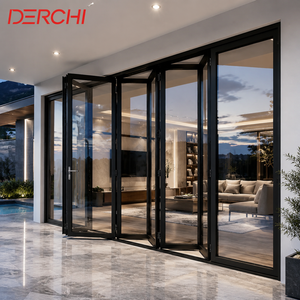
Custom Size Aluminum Bi-Fold Patio Doors Slim Frame Folding Glass Door System
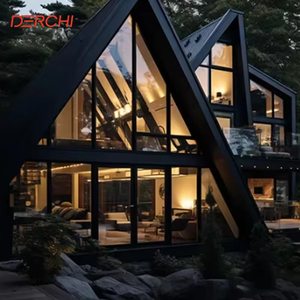
Modern Soundproof Custom Picture Windows Glass Fixed Aluminium Windows Villa Design
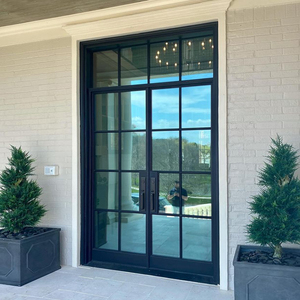
European Standard Interior Aluminium Steel Framed Swing Glass Door Crittall Style
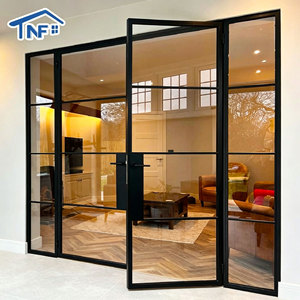
NFRC AS2047 Thermal Break Casement Door Custom Double Glazed Swing French Doors
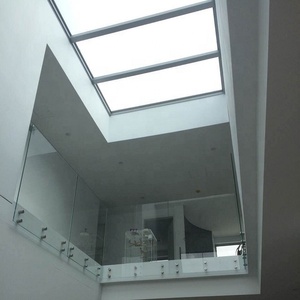
Australian Standard Aluminium Windows Skylight AS2047 Fixed Roof Windows
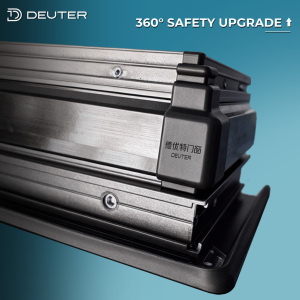
Child-Safe Full-Cover Rounded Corner Tilt and Turn Soundproof Aluminum Windows
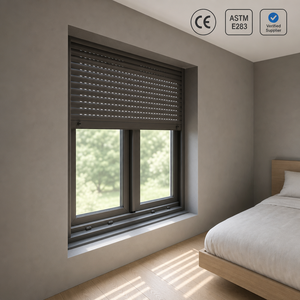
Rainproof Louver Window Aluminium Adjustable Blade Storm Resistant Shutter
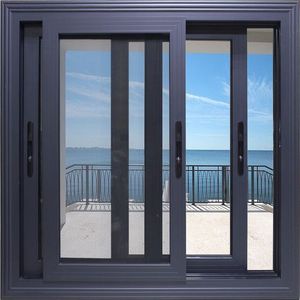
NFRC Certified Aluminum Sliding Window Double Glazed Custom Horizontal Sliding System
Technical Engineering: CE Certified Aluminium Jali Framework for Modern Envelopes
In contemporary architectural design, the integration of traditional perforation geometry with industrial-grade metallurgical engineering has given rise to high-performance CE Certified Aluminium Jali systems. Modern window manufacturers and B2B facade procurement directors no longer view window grills (Jali) merely as ornamental additions; they are critical structural, thermal, and security components engineered to comply with rigorous European Union Construction Products Regulations (CPR 305/2011).
Meric Window Systems Co., Ltd. leads this metallurgical transition by combining precision CNC laser cutting, architectural extrusion profiles from premium 6063-T5 and 6063-T6 aluminum alloys, and polyamide thermal break technology (PA66GF25). By engineering the Jali mesh directly into the outer structural sub-frame of double and triple-glazed window assemblies, we provide facade contractors with single-source fenestration solutions that eliminate thermal bridging, optimize solar heat gain coefficients (SHGC), and deliver certified resistance against mechanical shear and wind compression.
Eurocode Structural Compliance & Certification Matrix
To fulfill the CE marking requirements for export into the European Economic Area (EEA) and global markets accepting EN standards, window manufacturers must verify performance across specific testing vectors under EN 14351-1:2006+A2:2016. The table below delineates the verified engineering baseline maintained across our custom aluminum Jali and fenestration product lines:
| Performance Parameter | Testing Standard | Engineering Baseline | Architectural Benefit |
|---|---|---|---|
| Wind Load Resistance | EN 12210 / EN 12211 | Class C5 / P3 = 3000 Pa (Design Pressure) | Structural safety for high-rise residential & coastal luxury villas |
| Air Permeability | EN 12207 | Class 4 (600 Pa test pressure) | Maximum HVAC efficiency; zero draft infiltration |
| Water Tightness | EN 12208 | Class E1050 (Unsheltered 1050 Pa static pressure) | Complete prevention of rainwater ingress during severe storm events |
| Thermal Transmittance (Uf) | EN ISO 10077-2 | Uf ≤ 1.3 W/(m²·K) with PA66 thermal break | Significant reduction in building operational carbon footprint |
| Acoustic Insulation (Rw) | EN ISO 717-1 | Rw (C; Ctr) = 42 (-2; -6) dB | Superior noise attenuation in dense urban traffic corridors |
| Mechanical Impact / Burglar Resistance | EN 1627 / RC2 – RC3 Rating | Multi-point locking + integrated 3mm alloy Jali screen | Eliminates need for intrusive secondary steel security bars |
Technological Evolution of Window Jali Systems
From heavy, rust-prone cast iron to ultra-light, structural aluminum alloys engineered with surface polymer science.
Substrate & Alloy Metallurgy
Unlike legacy wrought iron or expanded mild steel meshes that deteriorate rapidly under atmospheric moisture, modern Jali window screens utilize marine-grade Al-Mg-Si 6063-T5 extrusion billets. Heat-treated to a Webster hardness of ≥12 HW, these panels yield tensile strengths exceeding 200 MPa while maintaining elastic recovery under severe pressure impact.
Precision CNC & Fiber Laser Cut
High-speed fiber lasers operating on 5-axis CNC beds permit complex geometric lattice density without inducing micro-fractures along edge borders. Micro-perforations can be dynamically calculated to block high-angle summer sun glare while permitting low-angle winter sunlight, serving as passive kinetic facades.
Qualicoat Class 2 Surface Coatings
To survive aggressive tropical salt spray and intense UV radiation, aluminum Jali profiles undergo 7-stage pre-treatment chemical washing followed by PVDF fluorocarbon resin or Qualicoat Class 2 electrostatically applied thermosetting powder. This ensures a 25-year anti-fading, anti-chalking color retention guarantee.
Enterprise Advantage: Why Global B2B Specifiers Partner with Meric Window
Meric Window Systems Co., Ltd. operates as a specialized OEM/ODM manufacturing engine for architects, commercial developers, fenestration importers, and facade engineering firms worldwide. By standardizing manufacturing protocols across ultra-narrow sightline sliding doors, curtain walls, casement systems, and custom aluminum Jali screen solutions, we provide an integrated fenestration ecosystem that simplifies supply chain overhead.
In-House Manufacturing & Quality Assurance Standard (QCS)
Every batch of custom aluminum Jali window panels and thermal break frame profiles undergoes multi-stage technical inspection before export clearance:
- Dimensional Precision Calibration: CNC miter cuts and laser-etched lattice patterns are checked within ±0.3mm tolerances using digital coordinate measuring machines.
- Structural Seaming & Corner Crimping: Hydraulic corner crimping with dual-component anaerobic adhesive guarantees frame squareness under thermal expansion stress.
- Glazing & Gasket Integrity: Continuous EPDM (Ethylene Propylene Diene Monomer) synthetic rubber weather-stripping prevents seal degradation under ozone and thermal cycling.
- Export Packaging Protection: Finished assemblies are enveloped in protective peelable film, reinforced with corner guards, and secured inside steel-frame plywood crates designed for sea container freight.
Future Procurement Trends in Architectural Aluminium Fenestration
As global building energy codes tighten (such as the EU’s Nearly Zero-Energy Buildings - NZEB directive), B2B buyers must align with manufacturers capable of delivering next-generation multifunctional window systems. Key trends shaping procurement strategy over the coming decade include:
1. Integrated Security-Jali Triple Glazing
The market is rapidly shifting away from add-on security bars toward unitized window units where an outer laser-cut aluminum Jali screen, an intermediate dead-air cavity, and an inner double/triple insulated glass unit (IGU) are manufactured as a unified frame unit.
2. Smart Motorization & IoT Integration
Modern commercial installations now specify motorized sliding or hinged aluminum Jali shutters linked to building management systems (BMS). Rain sensors and solar intensity meters automatically actuate Jali louvers to optimize indoor daylighting and cooling loads.
3. Low Carbon Recyclable Profiles
Developers pursuing LEED Gold or BREEAM certification demand documented Environmental Product Declarations (EPD). Aluminum window profiles fabricated using recycled post-consumer scrap cut embodied carbon emissions by up to 85% compared to primary smelted ingot.
Frequently Asked Questions for B2B Procurement
Comprehensive engineering guidance to assist facade engineers, architects, and purchasing agents during system specification.
Request Engineering Technical Specifications & B2B Catalog
Partner directly with an established CE-certified aluminum window and decorative Jali manufacturer. Send your project drawings to receive structural calculations, shop drawings, and wholesale factory-direct quotations.