CE Certified Main Door Aluminium Mesh Systems
Explore our certified architectural main door mesh systems engineered with 6063-T5 structural aluminum alloys and high-tensile 304/316 security screens.
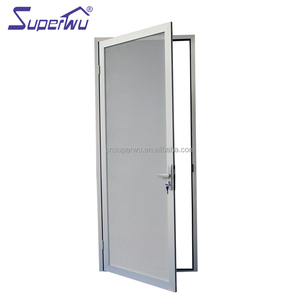
Silvery Aluminum Stainless Steel Mesh Hinged Door As Security Door
Inquire Specification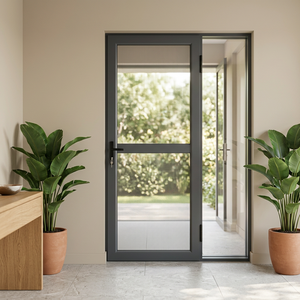
Aluminum Security Screen Door, Alu Frame 304 Stainless Steel Diamond Mesh
Inquire Specification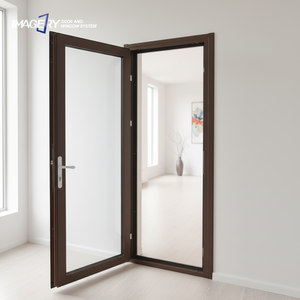
Thermal Break Aluminum Swing Door Stainless Steel Security Mesh Double Tempered
Inquire Specification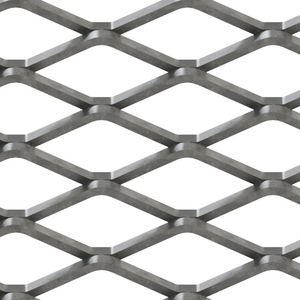
Economical Perforated Aluminum Expanded Mesh Sheets With Welding
Inquire Specification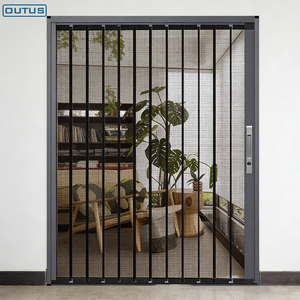
Aluminum Alloy Push Pull Diamond Mesh Security Screen Door Anti Theft
Inquire Specification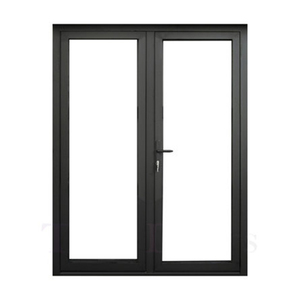
House Main Door Aluminium Security Door with Integrated Mesh System
Inquire Specification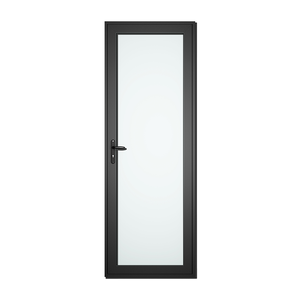
Top Manufacturer Aluminum Alloy Casement Exterior Main Door with Mesh
Inquire Specification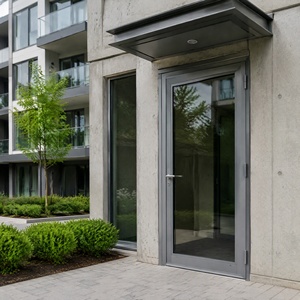
Aluminum Swing Door with Built-in Screen Mesh Double Opening Design
Inquire SpecificationEngineering Architecture of CE Certified Aluminium Mesh Main Doors
In modern high-end architectural engineering, main door design demands a seamless unification of physical intrusion security, thermal efficiency, insect defense, and visual transparency. As a premier manufacturer of CE Certified Aluminium Mesh Doors for Main Entrance Systems, our engineering framework solves the traditional compromise between structural fortification and natural ventilation.
Main entrance applications subject door frames to substantial torsional loads, environmental weather exposure, and dynamic daily usage. By utilizing high-grade 6063-T5 aluminum extrusions combined with woven 304 or 316 marine-grade stainless steel wire mesh (0.8mm to 1.0mm diameter), our manufacturing plants produce security doors that meet stringent European standards (EN 1627 RC2/RC3 burglar resistance), ensuring long-term structural resilience across diverse climatic environments.
Industrial Material & Structural Specification Matrix
To assist global architects, structural engineering consultants, and procurement managers, the following empirical specification matrix defines our standardized manufacturing tolerances and physical properties:
| System Parameter | Engineering Standard / Specification | Performance Benefit |
|---|---|---|
| Aluminum Profile Alloy | 6063-T5 / 6060-T6 Architectural Grade Aluminum | High tensile strength (≥160 MPa), superior surface finishing & structural rigidity. |
| Wall Profile Thickness | 1.8 mm – 3.0 mm heavy-duty reinforced extrusions | Resists frame deflection, engineered for oversized main door assemblies. |
| Mesh Specification | SUS304 / SUS316 Stainless Steel (11 Mesh x 0.8mm / 10 Mesh x 0.9mm) | High-impact resistance against mechanical force, knife shears, and forced entry attempts. |
| Surface Powder Coating | AkzoNobel / PPG Architectural Powder Coating (AAMA 2604 / AAMA 2605) | UV degradation protection, passivated 3000-hour neutral salt spray test (ISO 9227). |
| Thermal Barrier Option | Polyamide PA66-GF25 structural thermal break strips | Prevents thermal bridging, significantly reduces door U-Values (Uf ≤ 2.0 W/m²K). |
| Hardware & Locking | Multi-Point European Mortise Lockset with Stainless Steel Throw Bolts | Distributes locking pressure across multiple frame nodes for maximum security. |
| CE Certification Standards | EN 14351-1:2006+A2:2016 / EN 1627 Resistance Classes RC2 & RC3 | Full regulatory compliance for distribution and project specification across the EU and global markets. |
Why Tier-1 Contractors & Distributers Partner With Our Factories
Our fully integrated manufacturing ecosystem combines precise metallurgical extrusion, CNC machining, automated powder coating lines, and rigorous quality assurance.
CE CPR Compliance & Audited QA
Every batch of aluminium mesh doors produced in our facilities complies strictly with the European Construction Products Regulation (CPR 305/2011). Factory production control (FPC) ensures consistent weld integrity, mesh tensioning, and dynamic load capacity.
Patented Mesh Clamping Technology
We eliminate rust-prone pop rivets by using an internal aluminum pressure plate and EPDM wedge clamping system. This spreads impact energy across the perimeter frame, preventing screen blowouts during dynamic impact forces.
Integrated Thermal Insulation
Our advanced product lines incorporate polyamide PA66-GF25 thermal breaks inside the outer aluminum extrusion. This creates an isolated thermal barrier that prevents heat conduction in hot climates and minimizes heat loss in cold zones.
Full OEM / ODM Factory Tailoring
From single hinged main entrance doors to dual-opening grand entry designs, sliding mesh systems, and flush-track configurations, our engineering desk translates architectural CAD drawings into turnkey millwork packages.
High-Durability Surface Coatings
Utilizing pre-treatment chromate-free passivation and automated electrostatic powder spray systems, our coatings withstand extreme humidity, coastal salt mist, and intense solar UV rays without blistering, chalking, or flaking.
Cost Optimization for B2B Importers
Our optimized KD (Knock-Down) packaging and pre-hung modular sub-assemblies reduce freight volume by up to 40% while accelerating jobsite installation times, significantly lowering total installed cost (TIC) for builders.
Global Procurement & Technological Trends in Aluminium Mesh Doors
1. Transition Toward Thermal-Break Security Main Entrances
Historically, mesh security doors were built as single-layer outer screen gates placed in front of a primary timber or solid metal entrance door. Modern architectural trends have shifted toward integrated dual-function main doors that feature thermal break aluminum framing, double-glazed insulated units, and built-in stainless steel mesh screens within a single slim-sightline system. Procurement volume for thermally broken mesh doors has grown over 35% year-over-year in North America, Europe, and Australia due to stricter building energy code requirements (e.g., EU Nearly Zero-Energy Buildings standard).
2. Demand for High-Visibility Black Power-Coated Security Screens
Traditional silver diamond grills are increasingly replaced by high-tensile flat-woven stainless steel mesh coated in low-glare matte black fluoropolymer finish. Black mesh absorbs light reflection, providing up to 85% optical clarity from inside the building while presenting a clean, non-obstructive facade from the exterior. Procurement buyers are prioritizing screen doors that preserve architectural views without sacrificing physical security.
3. Smart Access Control Integration with Concealed Multi-Point Locks
B2B importers are heavily specifying doors equipped with automated multi-point locksets capable of integrating with smart home ecosystems (Zigbee, Z-Wave, dry-contact automation relays) and biometric verification systems (facial recognition, fingerprint sensors). Factory-milled lock pockets and concealed wire channels within the aluminum extrusion profiles are now mandatory standard specifications for commercial-grade OEM production.
4. Sustainable Circular Economy & Low-Carbon Aluminum Sourcing
Global real estate developers and government municipal procurement guidelines now mandate verifiable environmental product declarations (EPD). Modern aluminum mesh door factories are transitioning to hydro-powered primary aluminum billets and closed-loop scrap recycling systems to minimize embodied carbon per unit manufactured, aligning with international LEED and BREEAM building certifications.
Frequently Asked Questions for B2B Buyers & Engineers
Comprehensive technical answers detailing structural testing, CE certification, installation logistics, and custom OEM manufacturing options.
5-Step Factory Quality Control Protocol
To deliver zero-defect architectural door shipments to international projects, our manufacturing plants execute a strict five-stage quality gate system:
Raw Billet Metallurgical Inspection
Spectrographic analysis verifies chemical composition of incoming 6063 aluminum alloy billets to ensure compliance with magnesium and silicon boundaries before extrusion.
Dimensional & Anodizing QC
Laser micrometers verify wall profile thickness tolerances to within ±0.1mm. Micron gauge checks confirm powder coat film thickness meets 60–80 μm specs.
Mesh Tension & Weave Alignment
Automated pneumatic clamping tables apply uniform multi-directional tensioning (≥1100 N per linear meter) before mechanical locking to eliminate mesh sagging or warping.
Pre-Assembled Operational Testing
100% of finished door leaves are mounted onto factory test rigs to verify hinge alignment, lock latch smooth engagement, perimeter gasket compression, and frame squareness.
Fumigated Container Packing Audit
Final inspection ensures waterproof wrapping, installation hardware inclusion, clear unit labeling matching the architect’s door schedule, and secure crating.
Partner With a Direct CE Certified Aluminium Mesh Door Factory
Elevate your architectural project specs or expand your distribution portfolio with direct factory engineering support, OEM custom fabrication, and certified compliance documentation.