Engineered Aluminium Window & Door Systems
Explore our structural-grade aluminium bathroom windows, slim profile sliding configurations, hurricane-rated impact casements, and acoustic thermal partition systems manufactured for export excellence.
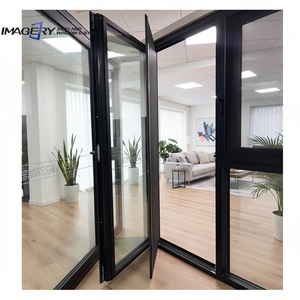
Wholesale Modern Aluminium Glass Double Swing Doors Design Tempered Glass Soundproof Door for Home Houses Business
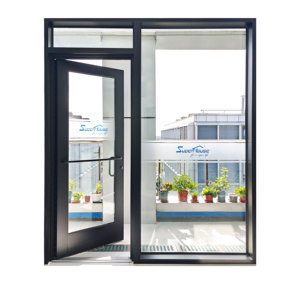
Commercial Storefront Hurricane Swing Door NFRC FPA Certified High Wind Pressure Impact Resistant Aluminum Glass Exterior Door
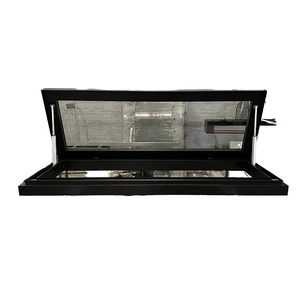
Modern Roof Skylight Tempered Laminated Glass Windows Swing Aluminum Alloy Stainless Steel Folding Heat Insulation Competitive
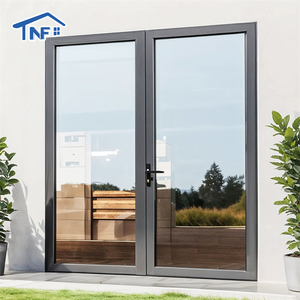
High Quality Factory Price French Doors Aluminum Casement Door Arrival French Entrance Door Exterior Glass Steel Graphic Design
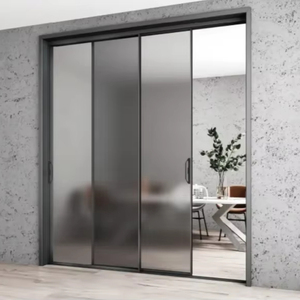
Minimalist Aluminum Alloy Sliding Doors for Houses, Interior Doors for Houses with Frames, Suitable for Apartment Hotel
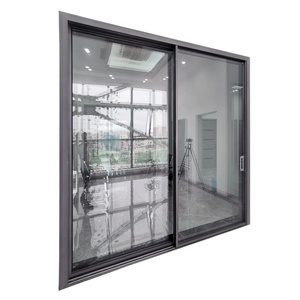
Wholesale Bulk Luxury Manufacturing Aluminum Exterior Double Glass Sliding Entry Door Sliding Door Others Doors
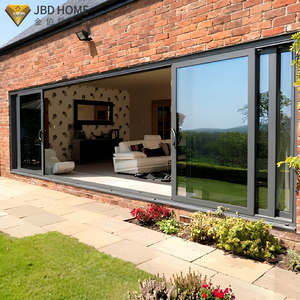
Modern Exterior 4 Panel Aluminum Sliding Glass Door Double Glazed Tempered Patio Entrance For Residential Villa Projects
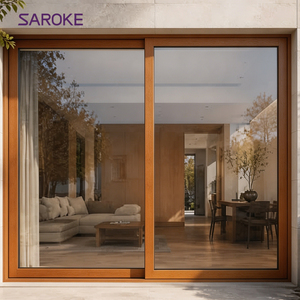
Interior Room Divider Aluminum Clad Wood Sliding Door For Dining Room
Architectural Engineering Overview: Modern Aluminium Bathroom Windows
When sourcing specialized building envelope components, specifying the optimal aluminium bathroom window supplier requires evaluating micro-climate resistance, thermal bridge mitigation, and moisture management mechanisms. Bathrooms present a unique architectural challenge: extreme internal humidity spikes combined with requirements for visual privacy, precise micro-ventilation, and long-term anti-corrosive performance. As leading Chinese manufacturing engineers and global exporters, Meric Window Systems Co., Ltd. develops high-grade 6063-T5 aluminium alloy window assemblies tailored for high-end residential villas, commercial hotels, and multi-family developments.
Standard fenestration units frequently fail in high-moisture interior environments due to sealant degradation, oxidation of sub-standard hardware, thermal bridging causing internal condensation, and inadequate weatherstripping. To overcome these failure modes, modern architectural specifications mandate high-density polyamide thermal breaks (PA66-GF25), concealed multi-stage drainage channels, and advanced surface treatment methodologies including fluorocarbon (PVDF) coating and specialized anodization rated for over 1,000 hours of continuous salt-spray testing.
“Information Gain Insight: The structural longevity of an aluminium bathroom window hinges not merely on frame thickness, but on the precise integration of thermal break geometry, EPDM triple-seal weatherstripping, and controlled vapor permeability. Chinese manufacturing leaders now deliver precision CNC-machined extrusions matching rigorous ASTM, AAMA, and European EN certification thresholds.”
Enterprise Engineering Capabilities & Structural Advantage
Meric Window Systems integrates complete raw profile extrusion, deep CNC machining, double/triple glazing unit fabrication, and rigorous QA under single-roof manufacturing oversight.
6063-T5 Profile Precision
Extruded from primary aluminum billets with zero scrap contamination, ensuring maximum tensile strength, wall-thickness uniformity (1.4mm - 2.0mm), and structural wind-load tolerance exceeding 5,000 Pa.
PA66 Thermal Break Technology
Reinforced 25% glass-fiber polyamide insulation strips separate inner and outer aluminum frames, eliminating cold bridges, reducing thermal conductivity, and preventing interior surface condensation.
Acoustic & Thermal Glazing
Dual-seal insulated glass units (IGU) featuring tempered Low-E glass, argon gas filling, and warm-edge spacers deliver sound transmission class ratings up to STC 45dB and low U-factors.
Pressure-Equalized Drainage
Engineered hidden drainage channels utilize dynamic pressure-equalization caps, forcing water to discharge efficiently while completely preventing wind-driven backflow during severe storm events.
Export-Grade Crating
Units are fully protected with protective surface films, corner rubber guards, protective foam layers, and packed into reinforced steel or heavy wooden crates for secure global ocean container shipping.
Next-Generation Product Development & Technology Trends
The international market for architectural aluminium bathroom windows is undergoing rapid technological transition driven by smart building automation, energy codes (e.g., EU Passivhaus, US NFRC mandates), and minimalist aesthetic preferences. Key design trends transforming future procurement include:
- PDLC Smart Switchable Privacy Glass: Transitioning from mechanical blinds to electrochromic dynamic privacy glass integrated into insulated units, allowing instant opacity shift via wall switch or smart home control.
- Micro-Ventilation Tilt-and-Turn Systems: Dual-action hardware systems enabling a 10mm micro-tilt position for continuous moisture evacuation without compromising security or weatherproofing.
- Ultra-Narrow Minimalist Sightlines: Concealed frame profiles with visible sash sightlines reduced to 20mm–30mm, maximizing daylight intake while maintaining structural rigidity.
- Motorized & Sensor-Driven Actuation: Automated awning and tilt windows integrated with internal relative humidity (RH) sensors that automatically tilt open when steam levels exceed preset thresholds.
- Anti-Bacterial & Anti-Microbial Coatings: Specialized powder coatings formulated with silver-ion technology that inhibit fungal growth and mold on frame surfaces exposed to high ambient moisture.
Global Sourcing & Procurement Trends for B2B Importers
International procurement managers, real estate developers, and commercial contractors are shifting their supply chain strategies when sourcing aluminium bathroom windows from Chinese manufacturers. Understanding these strategic macro-trends provides a distinct competitive advantage:
1. Direct-from-Factory Technical Collaboration
Rather than relying on generic off-the-shelf distributor inventories, global buyers now work directly with Chinese OEM/ODM engineering teams. By supplying CAD window schedules and BIM models early in the design phase, buyers receive tailored extrusion shop drawings, structural wind-load verifications, and custom thermal calculation reports before mass production.
2. Stringent Compliance with Regional Building Codes
Leading exporters in China have upgraded testing infrastructure to ensure full compliance with regional international standards. Windows are pre-tested to Australian Standards (AS2047 / AS1288), North American AAMA/WDMA/CSA standards, and European CE/EN standards. Verification includes water penetration resistance under static and cyclic pressure, air infiltration rates (ASTM E283), and operational durability testing.
3. Consolidating Commercial Envelopes
Procurement efficiency is maximized when sourcing the complete glazing package from a single manufacturer. B2B buyers pair aluminium bathroom windows with matching curtain wall systems, panoramic patio sliding doors, bi-fold doors, and entry swing doors. This ensures surface coating color consistency (matching RAL/Anodized batches) and unified architectural hardware design across the entire building project.
Aluminium Bathroom Window System Selection Matrix
Compare performance metrics across core architectural window typologies commonly specified for high-moisture residential and commercial applications:
| Window Typology | Water Tightness | Air Infiltration | Acoustic Insulation | Privacy Integration | Optimal Application |
|---|---|---|---|---|---|
| Thermal Break Tilt & Turn | Class E1500 (1500 Pa) | Class 4 (Highest) | STC 42 - 45 dB | Frosted IGU / Smart Glass | High-Rise Residential & Luxury Villas |
| Top-Hung Awning Window | Class E1050 (1050 Pa) | Class 3 | STC 38 - 40 dB | Patterned / Obscure Glass | Shower Enclosures & High-Wall Vents |
| Slim Frame Sliding Window | Class E750 (750 Pa) | Class 3 | STC 35 - 38 dB | Integrated Interior Louvers | Master Suites & Modern Apartments |
| Outward Casement Window | Class E1200 (1200 Pa) | Class 4 | STC 40 - 43 dB | Acid-Etched Satin Glass | Coastal Homes & Hospitality Suites |
| Fixed Light + Concealed Vent | Class E2000 (2000 Pa) | Class 4 (Hermetic) | STC 45+ dB | PDLC Electrochromic Glass | Luxury Commercial Facades |
Frequently Asked Procurement & Technical Questions
6063-T5 aluminium alloy offers superior tensile strength, exceptional extrusion precision, and superior natural corrosion resistance compared to secondary recycled alloys. The T5 heat treatment optimizes mechanical hardness and structural rigidity, allowing profiles to maintain dimensional stability under thermal stress and humidity while supporting heavy double-glazed units easily.
Condensation occurs when moist interior air contacts a cold frame surface. A thermal break window uses a low-conductive polyamide strip (PA66-GF25) inserted between the interior and exterior aluminum profiles. This structural barrier drastically slows heat transfer, keeping the interior aluminum surface warm and preventing water vapor from condensing into liquid droplets on the frame.
We recommend specifying double-glazed insulated units with acid-etched frosted glass, ceramic-printed obscure patterns, or sandblasted tempered glass on Position 3 (interior face of the outer pane). For high-tech commercial or luxury villa projects, integrating PDLC switchable smart glass allows instant transitions between clear visibility and complete opacity at the push of a button.
Our engineering team performs structural wind load calculations based on project location, building elevation, terrain category, and local structural design codes (e.g., AS1170, IBC, or EN 1991). Profile wall thicknesses are adjusted (up to 2.0mm+), internal steel or aluminum reinforcements are inserted inside mullions, and hurricane impact-resistant laminated glass is specified where required.
Fluorocarbon (PVDF) spray coating and high-micron Anodizing (Class 15/25) offer the highest resistance to humidity, cleaning chemicals, and salt spray. Qualicoat-certified architectural powder coatings are also highly recommended for interior aesthetic color customization while guaranteeing long-term chalking and blister resistance.
All hardware components—including multi-point locks, friction hinges, corner drives, and handles—are manufactured from 304 or 316 grade stainless steel and corrosion-resistant zinc alloys. Hardware undergoes neutral salt spray testing (NSS) up to 720+ hours to prevent rusting or binding caused by persistent ambient steam.
Standard fabrication lead time is 25 to 35 days following approval of shop drawings and finish samples. Custom die creation for proprietary profile extrusions requires an additional 10 to 14 days. Ocean shipping transit time varies between 14 to 35 days depending on the destination port.
Windows are fully assembled or semi-knocked-down (SKD), wrapped with protective polyethylene film, fitted with corner protective caps, encased in thick EPE foam, and packed inside fumigated plywood crates or heavy-duty steel A-frames optimized for forklift handling and ocean container shipping.