High-Performance Aluminium Screen Door Catalog
Engineered with 6063-T5 aluminum extrusions, stainless steel mesh, and concealed roller hardware for luxury residential and commercial developments.
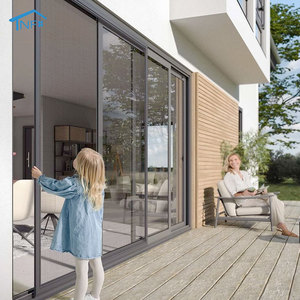
Aluminum Alloy Folding Screen NF Magnetic Roller Blind Stainless Steel Insect Control Sliding Doors
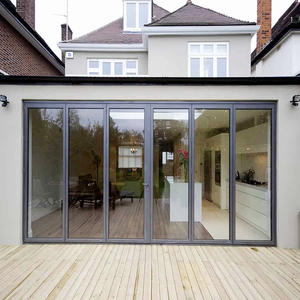
Modern Glass Aluminum Folding Door with Stainless Steel Mosquito Net Finished Surface
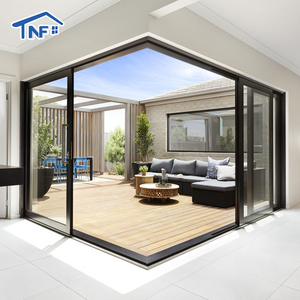
Modern Design Aluminum Frame Sliding Opening Glass Door Waterproof Fiberglass Screen Netting
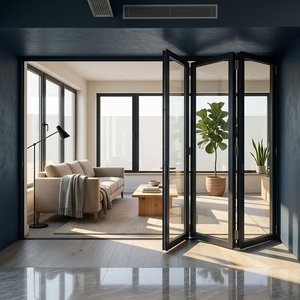
Folding Door Modern Aluminum Alloy Exterior with Glass and Mosquito Net Heat Insulation
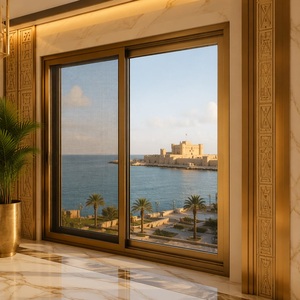
Double Glazed Glass Aluminium Alloy Security Grills With Sliding Mosquito Net For Villa
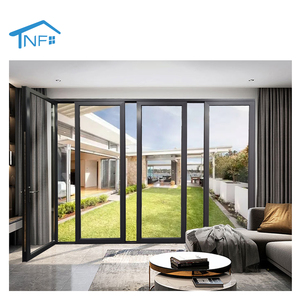
Villa Aluminum Alloy Panoramic Foldable Door Double Tempered Glass Stainless Steel Flyscreen
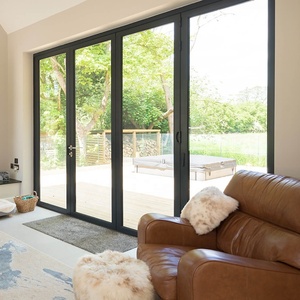
AMJ American Style NFRC Aluminum Bifold Doors with Retractable Mosquito Screen Integrated
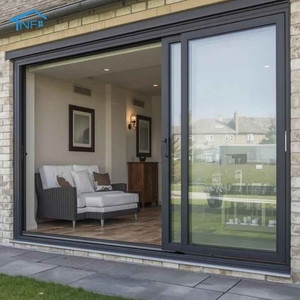
3 Tracks 4 Panels Patio Aluminum Sliding Door With Fly Screen Integrated System
Precision Manufacturing & Metallurgical Integrity
As a leading Chinese OEM/ODM manufacturer of integrated fenestration systems, Meric Window Systems Co., Ltd. combines advanced thermal break profile extrusions with heavy-duty insect screen hardware for seamless architectural integration.
When procurement managers, real estate developers, and facade contractors specify aluminium mosquito net doors from China, structural load capacity, thermal efficiency, and corrosion resistance are non-negotiable parameters. Standard commercial screening products often suffer from sash sagging, track derailment, mesh oxidation, and rapid thermal transfer. Our manufacturing facility addresses these vulnerabilities through precision metallurgical engineering and specialized profile geometry.
Every profile is extruded exclusively from primary 6063-T5 architectural aluminum billet, undergoing controlled artificial aging to achieve a minimum tensile strength of 185 MPa and Webster hardness ≥ 12. Combined with Technoform Polyamide PA66GF25 thermal barrier strips, our door systems maintain structural integrity under extreme wind loads up to 5000 Pa while preventing thermal bridging across hot and cold envelope zones.
304/316 Security Mesh Integrity
0.8mm high-tensile stainless steel wire mesh provides forced-entry resistance alongside 100% pest exclusion, surpassing AS2047 security standards.
Thermal Separation Technology
Multi-chamber thermal break profiles equipped with PA66 nylon insulation strips dramatically reduce HVAC load and stop condensation.
CNC Precision Fabrication
Automated 5-axis CNC machining, corner crimping, and EPDM gasket sealing ensure micron-level tolerances for effortless glide performance.
Engineering Anatomy of Aluminium Screen Door Systems
A comparative analysis of mesh metallurgy, track kinematics, surface treatment, and weatherproofing for international project specifiers.
1. Screening Mesh Metallurgy: Material Selection Matrix
The screen component of an integrated aluminium door system serves dual functions: airflow management and physical protection. Selecting the correct mesh specification determines product longevity, transparency, and maintenance cycles.
- SUS 304 Grade Stainless Steel Mesh: The global benchmark for security insect screen doors. Woven from 0.7mm to 0.9mm high-tensile wire, 304 mesh resists impacts up to 550 Joules while remaining impervious to rodent gnawing and knife shear testing.
- SUS 316 Marine-Grade Stainless Steel Mesh: Engineered specifically for coastal installations within 5 km of saltwater environments. Containing 2-3% Molybdenum, 316 mesh effectively eliminates pitting corrosion caused by airborne chlorides.
- Invisible High-Transparency Fiberglass Mesh: Coated with vinyl PVC, fiberglass mesh (0.28mm diameter, 18x16 weave density) offers over 85% visual transparency and optimal natural daylight transmission while keeping out midges and sandflies.
- Pleated Accordion Polyester Screens: Ideal for wide-span multi-panel bifold and sliding door systems where rigid screens cannot be stored. Folds neatly into a compact 25mm side cassette when fully retracted.
Engineering Insight: Corrosion Resistance & Surface Coating
All aluminum extrusions are pre-treated via chromate-free conversion before receiving Qualicoat Class 2 certified fluorocarbon (PVDF) or electrostatic powder coatings (film thickness 60-80 μm). This ensures over 3,000 hours of continuous salt spray testing (ASTM B117 compliance) without chalking or flaking.
2. Track Kinematics & Roller Hardware Engineering
Heavy screen sashes combined with double-glazed glass panels require robust track designs. Modern Chinese manufacturing leverages triple-track (3-Track 6-Rail) extrusions and concealed stainless steel tandem rollers. Precision needle bearings enclosed in self-lubricating polyoxymethylene (POM) housings provide smooth operation for sashes weighing up to 250 kg, tested for 100,000 continuous opening cycles.
| System Configuration | Mesh Type | Wind Load (Pa) | U-Value Range | Best Architectural Application |
|---|---|---|---|---|
| 3-Track Integrated Sliding | SUS304 0.8mm Mesh | 4500 - 5000 Pa | 1.4 - 1.8 W/m²K | High-rise Balconies, Luxury Coastal Villas |
| Bifold System + Pleated Screen | Polyester Pleated Mesh | 3000 - 3800 Pa | 1.6 - 2.0 W/m²K | Patio Enclosures, Resort Pool Lounges |
| Magnetic Roller Blind Sliding | High-Vis Fiberglass | 3500 - 4000 Pa | 1.5 - 1.9 W/m²K | Modern Residential Living Rooms |
| Heavy Lift & Slide + Screen | SUS316 Marine Mesh | 5000+ Pa | 1.2 - 1.5 W/m²K | Extreme Weather Zones, Commercial Facades |
Future Sourcing & Development Trends (2025–2030)
Strategic analysis of technological shifts, sustainable material demands, and architectural design directions in aluminium screen fenestration.
Ultra-Narrow Sightlines (< 20mm)
Architects are demanding minimal frame visibility to maximize daylight. Next-generation screen doors feature micro-interlock profiles with fully concealed mesh cassettes integrated directly into wall pockets.
Smart Motorization & Magnetic Drives
Manual screen operation is giving way to brushless DC motorized drives controlled via smart phone applications, magnetic levitation sliding tracks, and automated wind/rain sensor closure systems.
Decarbonized Circular Aluminum
Global procurement policies (such as EU CBAM) prioritize low-carbon aluminum extruded using hydropower energy, backed by Environmental Product Declarations (EPD) and 100% recyclable alloy tracking.
Frequently Asked Sourcing & Engineering Questions
Direct technical answers to assist architectural specifiers, developers, and global importers during project estimation.
What structural aluminum alloy and temper are utilized for door frames?
Our profiles are extruded strictly from virgin 6063-T5 aluminum alloy. For oversized sliding and bifold doors subjected to high wind pressures, specialized 6063-T6 or 6005-T6 reinforced mullion inserts are specified to ensure deflection limits stay within L/175 structural codes.
How do integrated mosquito screen doors perform against international building codes?
Complete assemblies undergo rigorous laboratory verification. Glass units comply with SGCC (North America), CE EN 12150 (Europe), and AS/NZS 2208 (Australia). Air tightness, water resistance, and wind load tests meet ASTM E283, ASTM E331, and ASTM E330 testing standards.
What is the difference between SUS304 security mesh and standard fiberglass screens?
SUS304 security mesh features a 0.8mm wire thickness that acts as both a protective barrier against intruders and an insect shield. Standard fiberglass screen uses a 0.28mm flexible mesh designed solely for pest prevention without structural burglar-proof capabilities.
Can screen tracks be flush-mounted into the floor for barrier-free access?
Yes. We offer zero-threshold (barrier-free) sub-frame drainage tracks designed for aged-care accessibility and seamless interior-to-patio transitions, featuring hidden sub-surface water drainage channels to handle heavy rainfall.
How are customized screen doors packaged for international sea container export?
Finished units are wrapped in protective PE film, shielded with high-density corner foam buffers, and packed inside fully sealed ISPM-15 compliant fumigated wooden crates or heavy-duty A-frame steel racks for forklift handling.
What information is required to receive an exact technical quote?
Please provide architectural window/door schedules, elevation CAD drawings, opening dimensions, required glass specifications (e.g., 6mm+12Ar+6mm Low-E), surface finish choice (RAL color code or anodized finish), and local wind zone requirements.
Partner with China's Premier Aluminium Door Manufacturer
Upload your architectural drawings, tender schedules, or project specifications today. Our engineering team will review your thermal, acoustic, and screen requirements to deliver a factory-direct quotation within 24 hours.