Engineering Superiority in Structural Impact Fenestration
Meric Window Systems Co., Ltd. is a global engineering pioneer specializing in ultra-narrow aluminum impact windows, architectural sliding doors, thermal break profiles, and heavy-duty hurricane-rated fenestration assemblies for commercial, hospitality, and high-end residential developments worldwide.
Impact-Resistant Aluminum Doors & Window Systems
Engineered to meet rigorous structural load requirements, wind-borne debris resistance standards, and thermal performance parameters for international modern architecture.
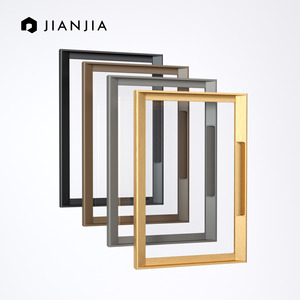
Wholesale Wardrobe Kitchen Cabinet Glass Aluminum Frame Door for Home Decoration
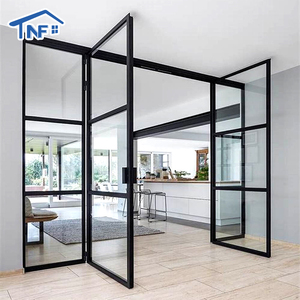
Modern Interior Aluminium Glass Arched French Doors NFRC Casement with Manual Opening Finished Surface
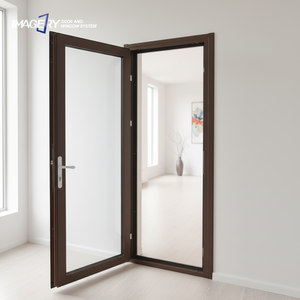
Thermal Break Aluminum Swing Door Stainless Steel Security Mesh Double Tempered Glass Soundproof Heat Insulation Windproof
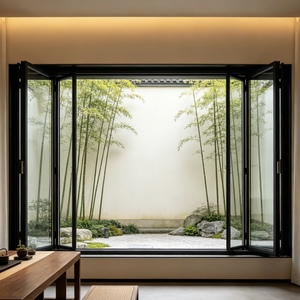
Folding Windows Smart Home Aluminum Motorized Folding Windows with Remote Control for Villa Balcony
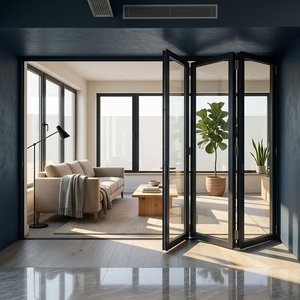
Folding Door Modern Aluminum Alloy Exterior with Glass and Mosquito Net Heat Insulation for Home
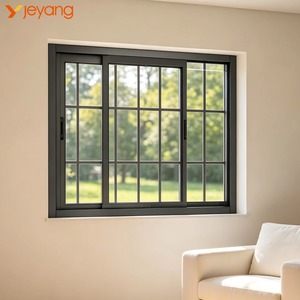
Anti Theft Aluminum Sliding Window With Grille And Mosquito Net Bulk Order For Project Villa
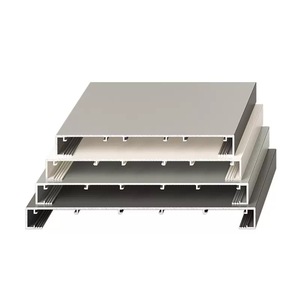
Swhome Modern Design Durable Water-Resistant Aluminum Alloy Door Frame Glass Window Wrap Cover Stylish Mouldings 1 Year Warranty
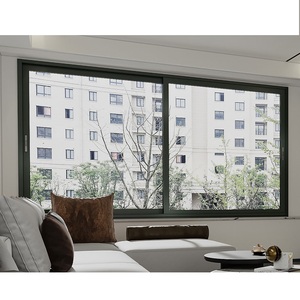
Aluminum Sliding windows and Door Aluminium Double Glass Sliding Window Sliding Aluminum Windows
Structural Impact Engineering & Architectural Metallurgy
In modern architectural design, fenestration is no longer merely a light-transmitting building component; it serves as a critical structural envelope element that mitigates extreme atmospheric hazards, dynamic wind loads, seismic energy, and forced entry threats. As premier aluminum impact door exporters from China, our engineering methodology centers on structural integration, thermal envelope optimization, and precision metallurgy.
1. Extrusion Metallurgy: 6063-T5 vs. 6063-T6 Temper Analysis
The core structural integrity of an impact door depends on the extrusion alloy formulation and heat-treatment temper. We utilize primary 6063-T5 and T6 grade aluminum extrusions, engineered with controlled wall thicknesses ranging from 2.0mm to 3.5mm depending on project design pressure (DP) calculations.
- Yield Strength Optimization: T5 temper provides ideal structural rigidity while allowing precision CNC machining for multi-point lock mortises without micro-fracturing.
- Corrosion Resistance: High-purity magnesium and silicon ratios ensure exceptional resistance to salt-spray oxidation in coastal High-Velocity Hurricane Zones (HVHZ).
- Surface Finish Adhesion: Surface pre-treatment via chrome-free conversion coating guarantees maximum adhesion for AAMA 2605-compliant PVDF fluorocarbon coatings.
Laminated Impact Glass Mechanics: PVB vs. SGP Interlayers
Impact-resistant glass construction involves fusing two or more panes of float or tempered glass with an elastomeric interlayer. Under impact from wind-borne debris (e.g., ASTM E1996 large missile impact testing), the glass outer layer may shatter, but the interlayer preserves the structural envelope membrane.
SentryGlas® (SGP) Interlayers: SGP interlayers offer 5 times the tear strength and 100 times the rigidity of conventional PVB interlayers. This allows for ultra-narrow profile sightlines while maintaining extreme Design Pressure (DP) ratings up to DP80 or higher in oversized panoramic sliding panels.
2. Polyamide PA66 Thermal Break Integration
Historical impact doors suffered from high thermal conductivity due to heavy solid aluminum frames. Meric Window solves this thermal bridge effect by integrating precision-engineered PA66GF25 (25% fiberglass reinforced polyamide) thermal break strips. This mechanical isolation reduces frame heat transfer, preventing condensation build-up in tropical or extreme variable climates while optimizing overall U-factor metrics down to 1.2 W/m²K when combined with low-emissivity argon-filled double or triple glazing units (IGUs).
| Performance Standard | Impact Grade / Test Metric | Structural Capability | Ideal Application |
|---|---|---|---|
| ASTM E1886 / E1996 | Missile Level D (9-lb 2x4 @ 50 ft/s) | Design Pressure > DP60 | Coastal Villas, Low-Rise Commercial |
| TAS 201 / 202 / 203 | HVHZ Standard (Florida Building Code) | Cyclic Pressure > 120 PSF | High-Velocity Hurricane Zones |
| AAMA / WDMA / CSA 101 | Air Tightness < 0.1 cfm/ft² | Water Resistance > 720 Pa | Luxury Mid-Rise & Hotel Resorts |
| EN 12600 / EN 12150 | Class 1(C)1 Safety Glazing | Thermal Break U < 1.4 W/m²K | European Energy-Efficient Builds |
Enterprise Strengths & Factory Engineering Advantage
Providing end-to-end support for global architects, real estate developers, contractors, and importers demanding verified performance, customizable aesthetics, and direct factory pricing.
Ultra-Narrow Sightline Design
Our flagship FW142 and JW157 series feature minimal visible interlock profiles (20mm–30mm), maximizing daylight ratio without sacrificing structural wind load ratings or weather-tight sealing performance.
Project-Specific Engineering Review
Every order undergoes rigorous structural calculation against local wind maps, opening dimensions, elevation height, and regional architectural code before profile extrusion cutting begins.
Complete Envelope Package
From lift-and-slide doors, bi-folding assemblies, tilt-and-turn windows to unitized glass curtain walls—we supply unified finishes and hardware across all project openings.
Export Packaging & Logistics
Finished units are protected with anti-scratch surface films, corner guards, EPDM foam wraps, and packed into heavy-duty reinforced steel or wooden crates matching your window schedule.
Smart Motorization & Hardware
Integrated automated motorized lifting, remote opening sensors, heavy-duty stainless steel multi-point locks, and concealed heavy-duty rollers rated up to 400kg panel capacity.
Future Sourcing & Product Development Trends (2025–2030)
The global architectural fenestration sector is undergoing a profound paradigm shift driven by stringent energy efficiency codes, urban densification, climate resilience mandates, and advancements in intelligent manufacturing. Importers, developers, and facade consultants sourcing aluminum impact doors from China must align with four critical industry shifts:
1. Decarbonization & Low-Embodied Carbon Extrusions
As green building rating systems such as LEED v4.1, BREEAM, and zero-carbon building standards gain global traction, the carbon footprint of structural raw materials has become a primary procurement metric. Future sourcing contracts increasingly demand:
- Recycled Billet Utilization: Utilization of post-industrial and post-consumer recycled aluminum, reducing embodied carbon by up to 75% compared to primary smelted virgin aluminum.
- Hydro-Powered Extrusion Facilities: Extrusion lines utilizing renewable energy sources during the melting, aging, and anodizing processes.
- EPD Certification: Environmental Product Declarations (EPDs) documenting life-cycle environmental impact from raw material extraction to final packaging.
2. Integration of Building-Integrated Photovoltaics (BIPV) & Smart Glazing
The convergence of structural impact glazing with power generation technology is reshaping modern residential facades. Smart impact sliding doors and curtain wall windows are increasingly specified with electrochromic (smart tinting) glass and dynamic micro-BIPV solar interlayers. This allows opening elements to dynamically alter SHGC (Solar Heat Gain Coefficient) based on sun angle while collecting solar energy without compromising missile impact resistance.
3. Prefabricated Unitized Systems & Modular Construction
With global jobsite labor costs rising and construction timelines shrinking, the demand for traditional stick-built window assemblies is rapidly declining in favor of unitized factory-preassembled fenestration systems. Factory-controlled silicone structural glazing (SSG), pre-installed EPDM gasket seals, and pre-aligned lock keepers allow contractors to lift and anchor complete opening units directly into concrete structures, reducing field installation labor by up to 60%.
4. Regulatory Shift Toward Dual-Performance Standards (Impact + Thermal)
Historically, impact resistance and ultra-low U-factor thermal insulation were viewed as separate performance metrics. Coastal region energy mandates (e.g., Florida Energy Code, Title 24 in California, and European NFRC guidelines) now strictly enforce dual-compliance. Exporters must now deliver assemblies featuring triple-pane insulated impact glass (combining low-E coatings, argon fill, and SGP laminated interlayers) mounted within multi-chamber thermally broken extrusions.
Frequently Asked Questions (FAQ)
Essential technical insights for international buyers, specifiers, and project contractors procuring impact doors and windows from China.
Request Technical Specs & Engineering Quotation
Connect with our structural engineering team to analyze your architectural plans, verify wind load ratings, and receive factory-direct pricing for your project envelope.