Engineered Aluminum Swing & Architectural Door Systems
Explore our factory-direct portfolio of precision-extruded aluminum swing doors, minimalist narrow-frame casement doors, and impact-resistant architectural fenestration.
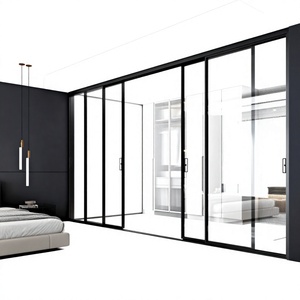
OUDIKE Second-Generation Malm Modern Minimalist Aluminum Alloy Narrow-Frame Kitchen Swing & Sliding Door
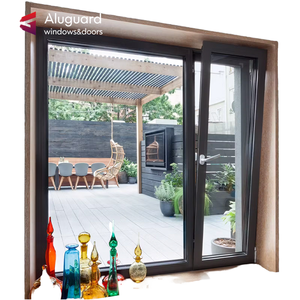
Modern Aluminum Casement Window & Swing Door Double Glazing Insulated Soundproof Tilt & Turn Opening
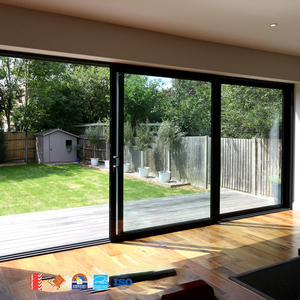
AMJ AS2047 Australian Standard Windows & Swing Doors Double Glazed Heavy-Duty Exterior Patio Aluminum Door
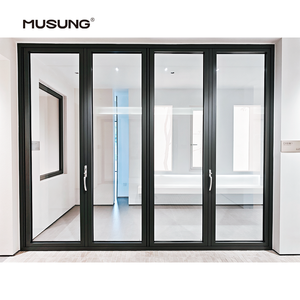
Seaside Hotel Hurricane Proof Aluminum Exterior Balcony Patio Soundproof Glass Garden Swing & Folding Doors
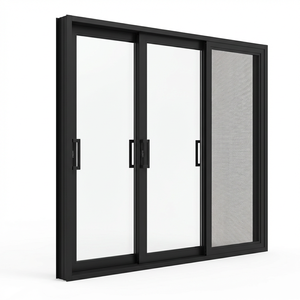
High Quality Architectural Aluminum Swing Entry Door with Insect Screen Mesh & Slim Tempered Glass Profile
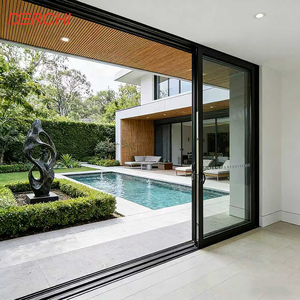
DERCHI NFRC USA Exterior Concealed Heavy-Duty Aluminum Swing Entry Door & Large Double Tempered Patio System
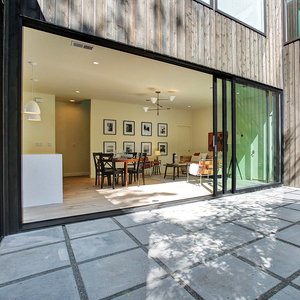
Florida Certification Aluminum Hurricane Impact Glass Swing & Entrance Doors (Miami-Dade Approved)
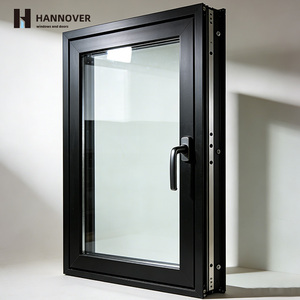
Slim Frame Aluminum Casement & Swing Door Double Glass Thermal Break Modern High-End Architectural Minimalist
Structural Mechanics & Physics of Modern Aluminum Swing Doors
Understanding the structural performance metrics, thermal isolation science, and perimeter air tightness dynamics that position high-end swing doors at the pinnacle of modern architectural envelopes.
Compression Sealing vs. Friction Tracks
Unlike sliding systems that rely on brush seals prone to wear, aluminum swing doors utilize continuous EPDM compression gaskets. When locked via multi-point mechanisms, the sash compresses uniformly against the frame, achieving air tightness up to EN 12207 Class 4 and zero water penetration under high dynamic wind loads.
- Zero air infiltration at 600 Pa test pressures
- Double or triple perimeter seal tracks
- Elimination of lower track debris accumulation
Thermal Transmittance & Isotherm Mapping
By integrating 24mm to 34mm Technoform polyamide (PA66 GF25) thermal breaks into 6063-T5 aluminum extrusions, our swing doors disrupt thermal bridges. Coupled with low-E insulated glass units (IGUs), whole-door U-factors achieve $U_w \le 1.1 \text{ W/m}^2\text{K}$, compliant with strict European Passive House criteria.
- Multi-cavity polyamide insulating strips
- Polyurethane foam core filling option
- Warm-edge spacer technology
Load Bearing & Hinge Kinematics
Heavy-duty exterior swing doors subject top hinges to tremendous rotational moments. Our engineering utilizes 3D adjustable 304/316 stainless steel friction-free bearing hinges rated for up to 300kg sash weights, ensuring over 200,000 opening cycles without vertical sag or latch misalignment.
- Hidden heavy-duty pivot hinges available
- Micro-adjustment in X, Y, Z axes
- Anti-burglar pin integration
Engineering Benchmark Comparison
How top-tier Chinese aluminum swing door manufacturing compares across key international facade standards.
| Performance Parameter | Standard Aluminum Swing Door | Meric Engineering Swing System | International Test Standard |
|---|---|---|---|
| Profile Material | Recycled Alloy / 6063-T5 (1.4mm wall) | Primary 6063-T5 / 6060-T6 (2.0mm–3.0mm structural wall) | GB/T 5237 / ASTM B221 |
| Thermal Transmittance ($U_w$) | 2.8 – 3.5 W/m²K | 0.9 – 1.3 W/m²K (Thermal Break + Triple Glazed) | ISO 10077-2 / NFRC 100 |
| Acoustic Insulation ($R_w$) | 28 – 32 dB | 42 – 48 dB (Acoustic Laminated Double IGU) | EN ISO 140-3 / ASTM E90 |
| Wind Pressure Resistance | 2.5 kPa (P3) | 5.0+ kPa (P3) / Miami-Dade Hurricane Rated | ASTM E330 / AS2047 / EN 12210 |
| Air Tightness | Class 2 (EN 12207) | Class 4 (EN 12207) / < 0.1 m³/m·h at 100 Pa | ASTM E283 / EN 12207 |
| Water Penetration Resistance | 300 Pa | 750 Pa – 1050 Pa (Static & Dynamic Hydrostatic) | ASTM E331 / EN 12208 |
Why Top Global Architects & Developers Partner With Us
Combining advanced CNC extrusion processing, German-grade hardware integration, and comprehensive export logistics to deliver flawless fenestration packages worldwide.
Precision CNC Fabrication & Corner Crimping
Every frame corner undergoes automated hydraulic crimping combined with dual-component corner joint epoxy injection (Swiss-imported adhesive). This structural bonding guarantees watertight corner sealing and prevents frame twisting under severe wind loads.
Qualicoat Class 2 & Fluorocarbon (PVDF) Finishes
To withstand high UV exposure and harsh C5-M coastal environments, our aluminum extrusions are treated with AkzoNobel powder coatings or 3-coat PVDF fluorocarbon paint, offering a 25+ year guarantee against chalking, peeling, and color fading.
100% Factory Pre-Assembly & QA Inspection
Zero defect tolerance. Every aluminum swing door, casement window, and entrance system is 100% pre-assembled on test racks before leaving our manufacturing floor. Hinge alignment, locking pin smooth operation, and gasket compression are thoroughly verified.
Custom Hardware Integration (Siegenia, Hoppe, Sobinco)
We collaborate directly with world-leading hardware suppliers like Siegenia, Hoppe, Sobinco, and G-U, while also engineering custom high-load concealed hinges and smart biometric access locksets built directly into the aluminum door sash profiles.
5-Step Technical Procurement Protocol
From initial structural calculation to site delivery, our engineering team ensures total transparency and precise matching to your project's architectural specifications.
CAD & BIM Review
Analysis of window schedules, elevation drawings, wind pressure requirements, and thermal targets.
Shop Drawings
Issuance of detailed extrusion profiles, glass build-up, anchorage details, and hardware layouts for architect approval.
CNC Manufacturing
Precision aluminum cutting, thermal strip insertion, corner crimping with epoxy injection, and powder coating.
Quality Inspection
100% trial assembly, glass glazing, multi-point lock testing, dynamic seal testing, and dimension checks.
Export Crating
Protective wrap, rubber corner guards, and heavy-duty fumigated wooden steel-reinforced ocean shipping crates.
Future Trends in Modern Aluminum Swing Door Sourcing
Key design shifts and technical advancements shaping commercial and luxury residential fenestration specifications over the next decade.
Ultra-Narrow Sightlines with Concealed Frame Architecture
Modern architectural trends favor hidden frames where the visible aluminum sightline is reduced to under 15mm-25mm at the jambs. By embedding aluminum outer frames directly into building render, swing doors achieve near 100% daylight ratios while maintaining structural stiffness via glass structural silicone bonding.
Integrated Smart Motorization & Biometric Security
High-end residential villas and luxury commercial headquarters are rapidly moving from mechanical keys to motorized concealed floor pivots with integrated smart controls. Built-in facial recognition, fingerprint access, and automated motor-driven soft-close floor springs are becoming baseline specs for premium entry swing doors.
Ultra-Low Carbon Extrusions & Circular Economics
Driven by European CBAM (Carbon Border Adjustment Mechanism) regulations, global importers prioritize aluminum suppliers utilizing hydro-powered low-carbon aluminum billets (< 4.0 kg CO2/kg Al). Recyclability of polyamide breaks and non-toxic powder finishes are now required in tender specifications.
Extreme Weather Resilience & Multi-Standard Certification
With intensifying global weather events, buyers require unified cross-regional certification. Swing doors are no longer built just for localized standards; top Chinese manufacturers engineer single profile systems certified simultaneously for Florida Miami-Dade hurricane impact (TAS 201/202/203), Australian AS2047, and European CE/EN 14351-1.
Frequently Asked Questions by Overseas Buyers
Expert answers to technical, logistical, and custom fabrication inquiries regarding aluminum swing doors from China.
Ready to Elevate Your Building Project with China's Premier Aluminum Swing Doors?
Send your window schedule, elevation CAD drawings, or project tender specifications directly to our senior structural fenestration engineering team. We provide complete shop drawings, structural wind load analysis, and competitive factory-direct pricing within 24 hours.