Featured Architectural Aluminum Door Systems
Engineered for extreme structural integrity, high energy efficiency, and modern aesthetic integration.
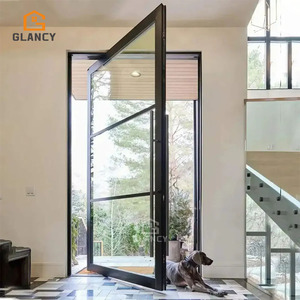
Customized Size Modern Pivot Doors Aluminium External Glass Door
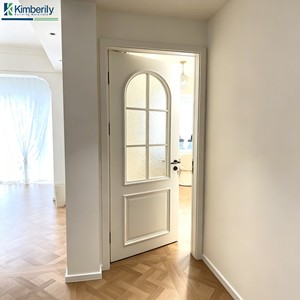
Simple Modern Aluminum Casement Sound Insulated Door
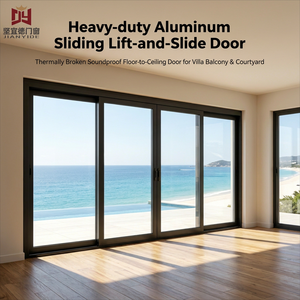
Custom Aluminum Lift And Slide Door Soundproof Thermal Break
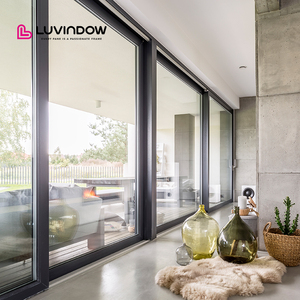
Hurricane Impact Thermal Break Patio Aluminium Sliding Door
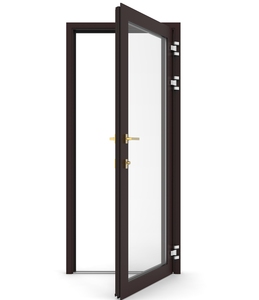
AAMA/NFRC Certified Entrance Aluminium Hinged Doors
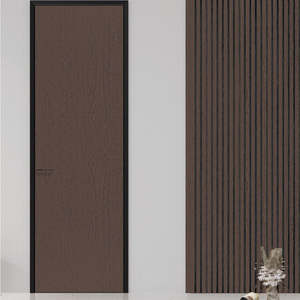
Slim Black Frame Aluminum Wood Interior Honeycomb Door
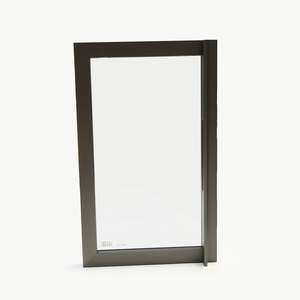
Italian Modern Look Aluminum Slim Frame Glass Door
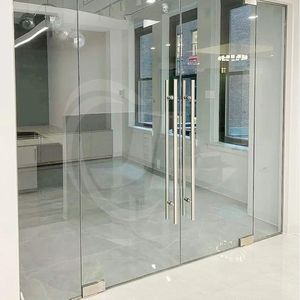
Modern Minimalist Exterior Aluminum Impact Proof Casement Door
Future Procurement Trends for Export-Grade Aluminium Inch Doors (2025–2030)
Navigating structural code shifts, thermal regulation evolution, and precision imperial engineering demands in international B2B door sourcing.
The global architectural sector is undergoing a structural paradigm shift. As commercial developers, custom villa builders, and building product distributors in North America, Australia, and the Middle East seek higher building envelope performance, demand for high-precision imperial-dimensioned aluminium doors ("Inch Doors") has experienced exponential growth. Sourcing directly from top-tier Chinese manufacturers allows international buyers to bridge the gap between high-end custom specifications and cost-competitive fabrication.
Historically, importing aluminum architectural profiles from East Asia presented challenges due to discrepancies between metric extrusion dies (mm) and North American rough opening standards (inches). Modern tier-one suppliers in China have resolved this bottleneck by establishing dedicated imperial CNC machining centers and adopting digital CAD/BIM parametric workflows. This technical alignment enables zero-tolerance fabrication for standard US sizes—such as 36"x80", 72"x96", and expansive 10'x12' patio systems—ensuring seamless on-site installation without field adaptation.
Strict Decarbonization & U-Factor Mandates
Global energy codes (IECC 2024, California Title 24, Australian NCC 2022) demand lower overall U-factors (U ≤ 0.24 BTU/h·ft²·°F). Future procurement prioritizes structural Polyamide PA66-GF25 thermal breaks over poured-and-debridge polyurethane systems to reduce thermal bridging while maintaining structural shear resistance.
Hurricane Impact & Cyclic Pressure Resistance
Driven by severe weather events in coastal regions (Florida, the Caribbean, Pacific Rim), importers are mandating ASTM E1886/E1996 and Florida TAS 201/202/203 compliance. Laminated storm glass integrated into high-wall-thickness (2.0mm–3.0mm) 6063-T5 aluminum profiles is becoming standard for export lines.
Ultra-Narrow Sightlines & Structural Glazing
Modern architecture demands invisible sightlines. The trend favors interlock widths below 20mm (3/4 inch) on panoramic sliding doors, where the structural load is transferred directly to double-sealed insulated glass units (IGU) backed by silicone structural glazing (SSG).
Aluminium Door Development & Material Metallurgy
Understanding alloy selection, thermal separation technology, and multi-layer surface treatment engineering.
The reliability of an exported aluminum inch door depends fundamentally on three engineering pillars: metallurgical alloy composition, extrusion wall accuracy, and surface finish longevity. Premier Chinese suppliers utilize high-purity virgin aluminum billets extruded into 6063-T5 or 6060-T66 alloys. This provides optimal yield strength (Fsy ≥ 170 MPa) and ultimate tensile strength (Ftu ≥ 205 MPa), essential for carrying oversized double-glazed glass panels without deflection.
| Door System Type | Alloy & Profile Thickness | Thermal Separation | Glass Configuration | Acoustic Rating (STC) | Structural Wind Load |
|---|---|---|---|---|---|
| Heavy-Duty Pivot Door | 6063-T5 / 2.5mm - 3.0mm | 24mm PA66 Strip | 6mm + 12Argon + 6mm Low-E | STC 38 - 42 dB | ≥ 4.5 kPa (AAMA CW60) |
| Ultra-Slim Sliding Door | 6063-T6 / 2.0mm - 2.2mm | 32mm PA66 Multi-Cavity | 8mm + 16Argon + 8mm Low-E | STC 36 - 40 dB | ≥ 3.5 kPa (DP 50) |
| Lift & Slide Patio System | 6063-T5 / 2.0mm | 20mm PA66 Strip | 6mm + 12A + 6mm Toughened | STC 40 - 44 dB | ≥ 5.0 kPa (Structural) |
| French Casement Door | 6063-T5 / 1.8mm - 2.0mm | 14.8mm PA66 Strip | 5mm + 9A + 5mm Insulated | STC 35 - 38 dB | ≥ 3.0 kPa (Residential) |
| Hurricane Impact Door | 6005A-T6 / 3.0mm | Reinforced Thermal Cavity | 6mm + 1.52PVB + 6mm Laminated | STC 42 - 46 dB | ≥ 7.2 kPa (TAS 202) |
Surface Finishing Science: Fluorocarbon (PVDF) vs. Qualicoat Powder Coating
Exported doors destination climate determines the necessary protective coating specification:
- AAMA 2605 / PVDF Coatings: Formulated with 70% Kynar 500 / Hylar 5000 resin, this 3-coat fluorocarbon system withstands extreme UV exposure, high humidity, and salt spray in coastal zones for over 20 years without chalking or color erosion.
- Qualicoat Class 2 Superdurable Powder Coating: Ideal for interior and temperate exterior environments, offering superior scratch resistance, zero VOC emission during processing, and dynamic architectural color matching (RAL & Pantone spectrums).
- Anodizing Class I (25 Micron): Converts the aluminum surface into a hard aluminum oxide layer, delivering exceptional tactile elegance and industrial corrosion resistance suitable for minimalist modern aesthetics.
Enterprise OEM/ODM Manufacturing Capabilities
Combining advanced European CNC machinery with strict ISO 9001 internal quality control protocols.
Automated CNC Precision Fabrication
Our 5-axis German CNC machining centers execute corner crimping, lock mortising, and water-drainage slotting with sub-millimeter accuracy, ensuring zero hardware misalignment during site installation.
Rigorous Air/Water/Wind QC Testing
Every system batch undergoes test chamber evaluation according to ASTM E283 (air leakage), ASTM E331 (water penetration), and ASTM E330 (structural wind load) to guarantee project sign-off.
ISPM-15 Export Crate Protection
Units are wrapped in protective PE film, corner-guarded with high-density EPE foam, and secured inside steel-reinforced fumigated wooden crates tailored for sea container transport.
Frequently Asked Sourcing & Technical Questions
Addressing critical commercial, compliance, and engineering inquiries from global architectural specifiers.
What defines an "Inch Door" in Chinese export manufacturing?
How do Chinese suppliers ensure thermal break performance matches Western energy codes?
What hardware and multi-point locking options are available for overseas projects?
Can your factories fabricate custom door profiles based on project shop drawings?
What are the standard shipping packaging and container loading protocols?
What lead times are expected from drawing sign-off to container departure?
Ready to Accelerate Your Architectural Door Sourcing?
Connect directly with our senior engineering team for comprehensive project quotations, structural wind load calculations, and imperial CAD detail consultation.