High-Performance Aluminium Jali & Glazing Systems
Engineered with 6063-T5 thermally broken extruded profiles, high-tensile security grills, and multi-point locking integration.
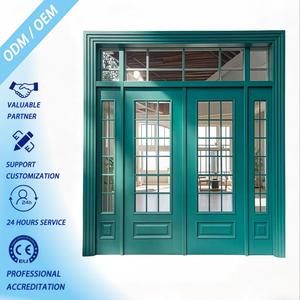
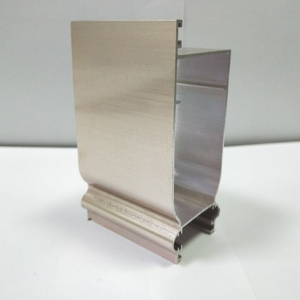
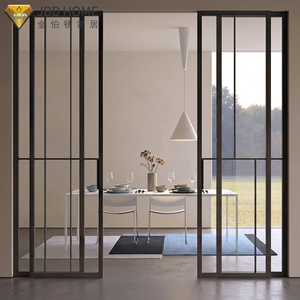
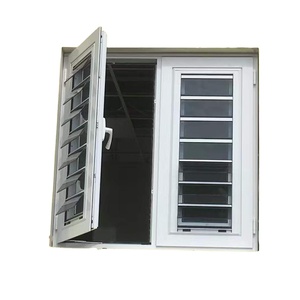
Executive Summary: The Evolution of Architectural Aluminium Jali Doors
In contemporary B2B architectural procurement, the global demand for Aluminium Jali Doors (Decorative Aluminium Lattice & Security Grill Doors) has undergone a structural paradigm shift. Traditionally restricted to ornamental wrought iron or heavy mild steel fabrications, modern residential villas, luxury resorts, and high-security commercial developments now prioritize high-tensile, corrosion-resistant architectural aluminium alloy systems.
China stands at the global epicenter of this industrial evolution, controlling over 65% of international high-end architectural aluminum profile extrusions and precision CNC lattice fabrication. Sourcing from top-tier Chinese exporters allows international developers, building material importers, and facade contractors to achieve structural elegance without compromising on wind load resistance, thermal efficiency, or anti-theft integrity.
Key Engineering Differences: Traditional Steel Jali vs. Precision Aluminium Jali Systems
| Performance Parameter | Traditional Wrought Iron / Steel Jali | Modern Architectural Aluminium Jali Door |
|---|---|---|
| Alloy Base & Metallurgical Spec | Low-carbon Mild Steel (Susceptible to oxidation) | Structural 6063-T5 / 6061-T6 Tempered Aluminium Alloy |
| Corrosion & Salt-Spray Endurance | High maintenance; rusts within 12–24 months in coastal zones | 3000+ Hours ASTM B117 Salt-Spray Resistant (PVDF / Anodized) |
| Structural Weight / Hinge Load | Excessively heavy (35–50 kg/m²), causing frame sagging | Optimized Strength-to-Weight ratio (12–18 kg/m²), smooth operation |
| Thermal Break Integration | Impossible; acts as a continuous thermal bridge | Multi-chamber Polyamide PA66 Thermal Barrier Strip compatible |
| Manufacturing Precision | Manual welding joints with visible seams and distortion | 5-Axis CNC Laser Cutting & Seamless Cast Aluminium Mesh Panels |
Anatomy of a Commercial-Grade Aluminium Jali Door
Understanding profile thickness, alloy chemistry, lattice manufacturing techniques, and protective surface treatments.
1. Profile Metallurgy & Wall Thickness
Top Chinese exporters manufacture Jali door frames using prime-grade 6063-T5 aluminum extrusions. For heavy-duty commercial or hurricane-rated bi-fold/sliding Jali setups, 6061-T6 structural alloy is specified. Standard frame structural wall thickness ranges strictly between 2.0mm to 3.0mm (exceeding standard window wall requirements of 1.4mm) to handle the torque of heavy decorative panels and high-tensile security mesh.
2. Jali Lattice & Security Screen Types
Engineered Jali doors utilize three primary interior infill techniques:
- CNC Laser-Cut Aluminium Plates: Solid 4mm–8mm thick sheets cut into complex Islamic geometric, modern linear, or custom parametric patterns.
- Precision Cast Aluminium Grills: High-density molten aluminum cast into solid decorative screens providing maximum impact resistance.
- High-Tensile 304/316 Stainless Mesh: Woven 0.8mm wire diameter mesh integrated with aluminum grills for combined bug, knife-shear, and burglary protection.
3. Surface Coating & Weather Resistance
To withstand extreme tropical humidity, desert heat, and coastal salinity, elite factories apply architectural-grade surface treatments certified by Qualicoat Class 2 or AAMA 2605 specifications:
- Fluorocarbon PVDF Coatings: 3-coat spray system (minimum 40µm thickness) guaranteeing 20+ years of anti-fading color retention.
- Architectural Anodizing: 20µm to 25µm film thickness providing extreme surface hardness and metallic elegance.
- 3D Wood-Grain Thermal Transfer: Combines the warm aesthetics of natural timber with the structural longevity of aluminum.
Future Procurement Trends in Aluminium Jali Door Exports (2025–2030)
Critical technological developments shaping global architectural inquiries and factory supply chain innovations.
Trend 1: Multi-Chamber Thermal Break Jali Integration
Historically, decorative screen doors were treated solely as external security barriers installed outside glass units. The modern trend demands unified Thermal Break Jali Door Systems. By incorporating dual PA66 polyamide insulating strips within the primary frame extrusions, factories can construct a single door unit featuring an outer laser-cut aluminum Jali, a center insulated Low-E double glazing unit, and an inner fly screen. This reduces overall building U-values below 1.6 W/m²K while delivering intricate elevation aesthetics.
Trend 2: Smart Access & Biometric Multi-Point Anti-Burglary Locks
B2B buyers are pivoting away from standard mechanical single-point locks toward heavy-duty multi-point hardware systems. Future-proof Chinese exports integrate concealed gear-driven 5-point locking mechanisms paired with biometric smart access (3D facial recognition, encrypted RFID, and smart home Zigbee integration). Hardware components are built from corrosion-proof 304 stainless steel to achieve international RC2 and RC3 anti-burglary certifications (EN 1627).
Trend 3: Prefabricated Modular Knock-Down (KD) Shipping Assemblies
Sea freight costs and container space optimization have prompted top Chinese exporters to engineer modular, CNC-machined knock-down corner connection keys. Rather than shipping fully assembled 3-meter tall Jali door frames (which waste container volume), modular door frames can be securely flat-packed and assembled on-site in under 15 minutes per unit using high-strength alignment cleats and corner crimping fasteners. This cuts international ocean freight expenses by up to 40%.
Trend 4: Green Aluminum Sourcing & EPD Environmental Certification
Driven by net-zero building regulations in Europe, North America, and Australia, global developers require verified Environmental Product Declarations (EPD). Leading Chinese aluminium door factories are adopting hydro-powered, low-carbon primary aluminum ingots and utilizing eco-friendly, zero-VOC powder coatings. Recycled architectural aluminum profiles reduce embodied carbon footprint by up to 75% compared to traditional smelting processes.
Why Partner with Meric Window Systems Co., Ltd.?
Empowering global architects, contractors, and building material distributors with direct manufacturer capability, technical rigour, and export excellence.
Precision Engineering & Shop Drawings
In-house CAD/BIM structural engineers analyze wind pressure calculations, glass stress limits, and opening tolerances, providing detailed submittal drawings prior to mass production.
Rigorous Quality Assurance Matrix
Every single batch undergoes dimensional verification, corner crimp tensile testing, air permeability (ASTM E283), water resistance (ASTM E331), and coating thickness checks before packaging.
Export-Grade Container Logistics
Finished door units and Jali panels are wrapped in protective surface film, fitted with corner guards, layered with foam, and secured inside custom steel-reinforced wooden crates engineered for crane unload.
Frequently Asked Questions by International Buyers
Addressing essential technical, operational, and commercial questions for importing Aluminium Jali & Security Doors from China.
Request Technical Specifications & Factory Direct Quotation
Upload your project window schedules, architectural elevations, or DWG drawings. Our senior engineering team will provide structural calculations, system recommendations, and FOB/CIF pricing within 24 hours.