Featured Door Profiles, Jali Inserts & Architectural Systems
Explore our precision-machined aluminium jali door inserts, thermal break frames, heavy-duty pivot gates, and custom extruded profile solutions manufactured to rigorous ISO 9001 and Qualicoat specifications.
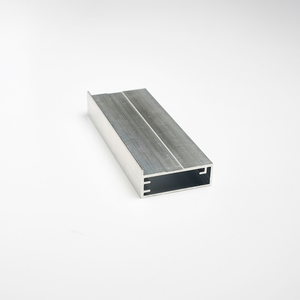
Hinged Cabinet Doors Corrosion Resistance Aluminium Glass Cabinet Door Custom Aluminum Window Screen Frame
Contact Us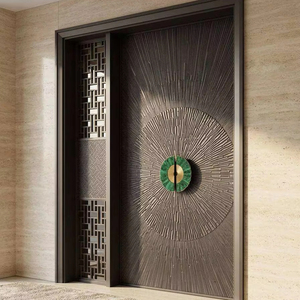
New Chinese Mother and Son Cast Aluminum Front Door Jade Fan Inlay Sunburst Pattern Villa Mansion
Contact Us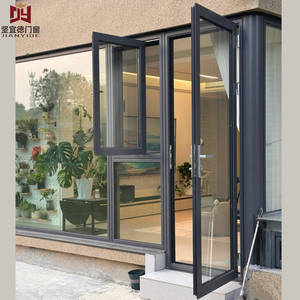
Aluminum Swing Door for Apartment/Hotel Use-High Durability Soundproof & Weatherproof Modern Design Powder Coated Surface
Contact Us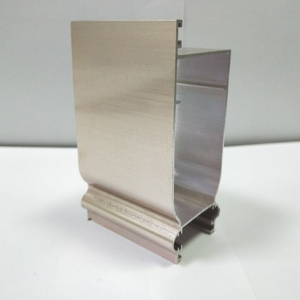
Aluminum Profile for Door Frame
Contact Us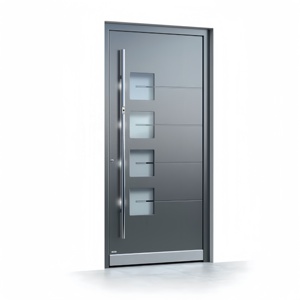
Latest Design Custom Home Entry Security Villa Main External Entrance Aluminum Modern Pivot Door Front Doors Security Gate
Contact Us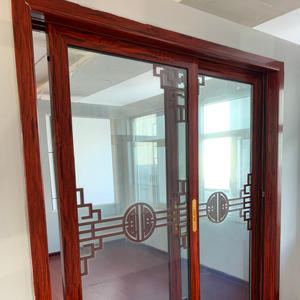
Customized 6000 Series Aluminum Extrusion Profiles for Doors with Cutting Service From Aluminium Factory
Contact Us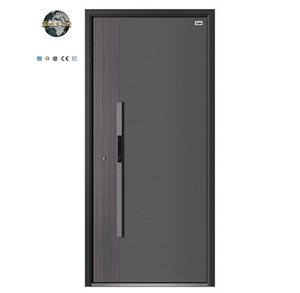
Modern Minimalist Anti-Theft Aluminum Alloy Door Security Entry Side Opening Sliding for Commercial Outdoor Garden for Apartment
Contact Us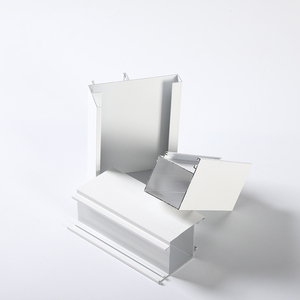
Factory Supply Good Quality Middle East Aluminum Profile for Oman Window Door Frame
Contact UsUnderstanding Aluminium Jali Doors: Metallurgy, Structural Dynamics, and Architectural Utility
In modern international architecture, the integration of Aluminium Jali (ornamental metal grills, perforated lattice screens, and security mesh frames) into entry doors, sliding partitions, and villa frontispiece gates has undergone a massive technological shift. Historically fabricated from wrought iron or timber, decorative door grills faced perpetual issues with atmospheric oxidation, moisture-induced warping, high tare weight, and labor-intensive maintenance. Today, leading Chinese manufacturers leverage advanced 6000-series aluminum alloys—primarily 6063-T5 and 6060-T6 extrusion profiles combined with A357/A356 cast aluminum inserts—to revolutionize door jali design.
Aluminium jali door systems provide structural security, controlled ventilation, natural lighting filtration, and high-end aesthetic customization without sacrificing acoustic sealing or thermal efficiency. When procuring from China’s top aluminium jali door manufacturers, global B2B buyers must evaluate key engineering matrices: profile structural integrity, CNC laser-cutting precision, die-cast lattice density, thermal break bridge isolation, and fluorocarbon (PVDF) or powder coating weatherability standards.
While CNC laser-cut aluminum panels (typically 3mm to 6mm sheet thickness) offer unlimited geometric design freedom and rapid prototyping for modern minimal lines, solid die-cast aluminum jali panels (ranging from 12mm to 25mm thickness) provide unmatched structural rigidity, anti-vibration mass, and multi-dimensional sculptural depth. Leading Chinese factories now combine die-cast central motifs with extruded 6063-T5 perimeter framing, providing a hybrid architecture optimized for hurricane-rated wind loads and high-impact security requirements.
Engineering Comparison: Materials for Architectural Door Grills & Jali Systems
To assist architects, structural engineers, and procurement directors in choosing optimal materials for high-exposure building envelopes, the matrix below details performance parameters under international testing standards (including ASTM B117 salt spray testing and EN 12207 air permeability):
| Material Type | Tensile Strength (MPa) | Corrosion Resistance (Salt Spray Rating) | Thermal Expansion Coeff. | Maintenance & Lifecycle |
|---|---|---|---|---|
| Extruded 6063-T5 Aluminium | ≥ 205 MPa | Class 10 (3,000+ hrs PVDF/Anodized) | 23.4 µm/m·K | Zero maintenance; 30+ year service life |
| Cast Aluminium Insert (A356) | ≥ 240 MPa | Class 10 (2,500+ hrs Powder Coated) | 21.5 µm/m·K | Negligible; resistant to UV & sea air |
| Wrought Iron / Mild Steel | ≥ 340 MPa | Poor (Fails < 500 hrs if scratched) | 12.0 µm/m·K | High; regular painting required to prevent rust |
| Architectural Timber (Teak/Oak) | Varies (Anisotropic) | N/A (Susceptible to rot & termites) | Hygroscopic expansion | Very High; annual re-sealing required |
Future Procurement Trends for Aluminium Jali Door Systems (2025–2030)
How modern architectural requirements, sustainability directives, and smart home automation are driving next-generation sourcing strategies from Chinese manufacturers.
1. Polyamide Thermal Break Integration
Historical jali doors suffered from high thermal conductivity. Modern procurement demands dual-extrusion profiles coupled with PA66GF25 (25% glass fiber reinforced polyamide) thermal break strips, isolating exterior grill temperatures from interior living zones to achieve U-values under 1.6 W/m²K.
- PA66GF25 structural insulation barrier
- Eliminates condensation & thermal bridging
- Compatible with double & triple IGU glass
2. Smart Access & Heavy-Duty Pivot Hardware
Luxury villa construction is shifting toward oversized entrance gates (up to 4 meters high). Procurement trends favor heavy-duty concealed floor springs, top-pivot bearings supporting up to 500kg panel weight, and invisible integration of biometrics, smart keypads, and motorized opening mechanisms.
- Concealed German-engineered hydraulic pivots
- 3D adjustable hinges & multi-point locking
- Embedded smart access control channels
3. Ultra-Durable Finishes & Eco Coatings
Coastal developments require surface treatments capable of withstanding extreme UV irradiation and salt-laden sea mist. B2B buyers now specify 3-coat fluorocarbon (PVDF) spray treatments, electrostatic powder coating adhering to Qualicoat Class 2 standard, or realistic vacuum thermal transfer wood-grain effects.
- AkzoNobel & PPG powder coating systems
- Super durable PVDF with 20+ year color retention
- Zero-VOC environmentally responsible processes
Key Manufacturing & Technology Trends in China’s Aluminium Door Industry
China’s extrusion and architectural hardware industrial hubs (notably Guangdong, Shandong, and Jiangsu provinces) have undergone rapid technological evolution. For B2B importers, property developers, and architectural hardware distributors, recognizing how factory automation impacts final product quality is vital when selecting a primary manufacturing partner.
1. 5-Axis CNC Machining & Seamless Laser-Weld Corner Crimping
Traditional door fabrication relied on manual miter cutting and mechanical corner cleat clamping, which frequently developed subtle seam gaps over time. Today’s premier factories utilize 5-axis CNC machining centers equipped with diamond-tipped tooling to execute profile cutting, lock-mortise slotting, and hinge recessing in a single clamped position. Corner joinery is reinforced through high-pressure hydraulic corner crimping combined with two-component polyurethane corner adhesives, ensuring absolute water tightness and structural squareness (tolerance under 0.5mm cross-diagonal variance).
2. Hybrid Security Screen Integration (Stainless Mesh + Cast Jali)
Security doors for modern villas and apartments increasingly utilize a layered composite architecture. The external side features a decorative Cast Aluminium Jali pattern (such as Traditional Sunburst, Islamic Geometric Lattice, or European Baroque Scrollwork), followed by a high-tensile 304 or 316 marine-grade stainless steel security mesh (0.8mm wire diameter, 14 mesh density). This combination allows complete insect exclusion and knife-shear anti-theft resistance while maintaining natural visual elegance from the building exterior.
3. Customized Extrusion Alloys and Mold Engineering
Top-tier China aluminium door suppliers offer full custom mold development services. By utilizing 3D CAD modeling and finite element analysis (FEA), factory engineers simulate wind load stress, torsional deflection, and thermal stress points before pouring tool-steel extrusion dies. This enables the production of custom door frames with specialized multi-chamber profiles, integrated weather-strip tracks, and hidden drainage conduits engineered specifically for storm-prone regions.
Why Partner with China’s Leading Aluminium Door & Profile Manufacturers
Engineered reliability, rigorous quality control, and end-to-end export support tailored for international architectural project demands.
Full-Chain Manufacturing Control
From primary alloy billet melting and extrusion profile drawing to CNC machining, surface anodizing, powder coating, assembly, and glass insertion—all fabrication steps are consolidated in-house to guarantee quality consistency and eliminated supply chain delays.
- 6063-T5 virgin aluminium alloy billets
- In-house anodizing and PVDF coating lines
- Complete traceability from ingot to packaged door
Strict Quality Control & Compliance
Every batch undergoes rigorous lab testing to meet global building code requirements, including air tightness (EN 12207), water tightness (EN 12208), wind load resistance (EN 12210), and acoustic attenuation (STC up to 42 dB with triple glazed units).
- 100% pre-shipment assembly test
- ASTM & CE certified system testing
- Heavy-duty ocean-freight steel/wooden crate packing
Frequently Asked Questions for B2B Importers & Architects
Essential technical and commercial answers addressing common inquiry intent for aluminium jali doors and profiles.
Request Engineering Specs & Quotations for Your Project
Send your architectural drawings, door schedules, or custom profile requirements directly to our technical sales team for a comprehensive engineering evaluation and factory-direct quotation.