China Top Aluminium Wood Finish Door Supplier & Exporter

Architectural White Paper & B2B Procurement Guide: Next-Generation Thermal Break Aluminium-Wood Systems Engineered for Global Luxury Developments

Featured B2B Product Catalog

Top-Rated Aluminium Wood Grain Finish Door Systems

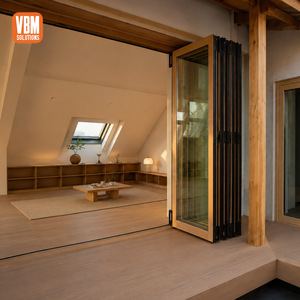
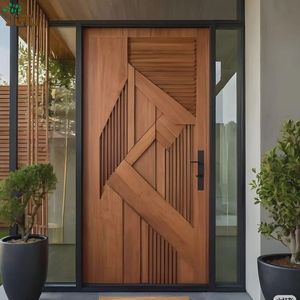
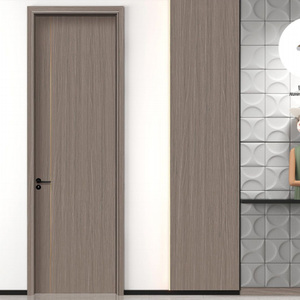
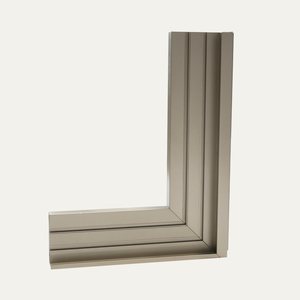
Factory-direct architectural grade doors combining high-strength 6063-T5 extruded aluminium alloy profiles with high-definition 3D vacuum heat-transfer wood textures and polyamide thermal break isolation.

6063-T5
Architectural Aluminum Alloy
PA66-GF25
Thermal Break Strips
STC 45dB
Max Acoustic Attenuation
ISO 9001
Certified Quality Management
Industry White Paper

The Engineering Evolution of Wood Finish Aluminium Doors

Analyzing Material Science, Surface Sublimation Technology, and Structural Advantages over Traditional Timber Systems in B2B Architectural Procurement.

1. Vacuum Heat-Transfer Wood Sublimation vs. Real Timber

Traditional solid timber doors suffer from swelling, rotting, warping, and insect degradation when subjected to tropical humidity or extreme thermal cycling. China's top aluminum fabricators utilize advanced 3D Vacuum Thermal Transfer Sublimation and Fluorocarbon (PVDF) Wood Grain Coatings (Qualicoat Class 2 standard). Micro-powder pigment layers penetrate deep into the powder-coated aluminum base profile, creating authentic walnut, oak, teak, or mahogany visual grain patterns with 0% moisture absorption and UV resistance exceeding 15 years.

2. Composite Internal Core & Acoustic Engineering

To eliminate the metallic resonance associated with hollow aluminum profiles, modern B2B aluminum wood finish doors integrate high-density Hexagonal Aluminum Honeycomb Cores bonded with polyurethane structural adhesives or solid high-pressure laminate (HPL) insert plates. Combined with multi-cavity perimeter frames and EPDM rubber sealing strips, these doors achieve sound insulation ratings up to STC 45dB and thermal transmittance ($U$-values) below 1.2 W/m²K.

Comparative Technical Performance Matrix

A comprehensive engineering evaluation conducted across standard residential and commercial B2B procurement specifications:

Performance Metric Solid Natural Timber Standard Hollow Aluminium Meric Thermal Break Alu-Wood Composite
Moisture Absorption & Swelling High (8% - 15% dimensional shift) 0% (Impervious) 0% (Impervious to Water & Humidity)
Thermal Transmittance ($U$-Value) 1.8 – 2.4 W/m²K 3.5 – 5.8 W/m²K (Poor) 0.8 – 1.2 W/m²K (Passivhaus Capable)
Acoustic Insulation (STC / R_w) 28dB – 32dB 22dB – 26dB 38dB – 45dB (Aluminum Honeycomb Core)
Fire Safety Rating Combustible (Class C) Non-combustible profile UL 10C / BS 476 Fire-Rated Honeycomb Core
Termite & Rot Resistance Vulnerable (Requires chemical spray) 100% Resistant 100% Immune to Pests, Fungi & Salt Spray
Expected Service Life 5 - 10 Years (High Maintenance) 15 - 20 Years 30+ Years (Zero Maintenance Finish)
Strategic Sourcing Insights

Future Procurement Trends in Architectural Doors (2025–2030)

Key market forces driving global architects, developers, and B2B buyers toward advanced China-manufactured aluminium wood finish door systems.

1. Ultra-Narrow Sightlines & Concealed Hardware

Architectural aesthetics are shifting toward minimalist 20mm-30mm visible frame sightlines. Future doors incorporate 3D adjustable 180-degree concealed hinges, recessed magnetic latch plates, and flush threshold tracks to merge interior luxury with exterior views.

2. Smart IoT Biometric Security Integration

B2B procurement schedules increasingly mandate factory-fitted smart access controls. Systems now incorporate 3D facial recognition cameras, hidden capacitive fingerprint sensors, Bluetooth/Zigbee connectivity, and motorized auto-locking solenoids directly into the door panel.

3. Decarbonization & LEED Recyclability

With green building standards like LEED v4.1 and BREEAM becoming mandatory globally, 100% recyclable architectural aluminum coupled with VOC-free powder coatings allows developers to claim crucial environmental product declaration (EPD) credits.

Extended Product Line

Custom Architectural Door Systems for Specific Project Applications

Explore additional precision-engineered aluminum wood grain door configurations for high-end residential, hotel, and commercial cabinet applications.

Manufacturing Expertise

Why Partner with China's Premier Aluminium Door Manufacturer

From raw 6063-T5 aluminum billet extrusion to automated CNC milling and international export packaging—our technical facility guarantees project compliance.

Full-Spectrum OEM / ODM Customization

We support complex architectural door schedules by offering custom die extrusions, specialized anodizing, RAL custom color powder coating, and bespoke wood grain pattern matching (such as Teak, Oak, Cherry, Wenge, and American Walnut). Our CNC processing centers hold tolerances to ±0.1mm, ensuring flawless site assembly.

Rigorous Pre-Shipment Quality Inspection

Every finished door unit undergoes rigorous quality assurance tests, including 3000-hour ASTM B117 salt spray testing for coastal corrosion resistance, air permeability (EN 12207 Class 4), water tightness (EN 12208 Class 9A), and wind load resistance (up to 5000 Pa wind pressure rating).

Technical FAQ

Frequently Asked Questions by Overseas B2B Buyers & Engineers

Detailed answers regarding specifications, international structural standards, thermal performance, and global shipping logistics.

What is the difference between thermal-break aluminium wood-finish doors and solid timber doors?

Thermal-break aluminium wood-finish doors utilize high-strength 6063-T5 extruded aluminum frames decoupled by polyamide (PA66GF25) insulation strips and finished with 3D vacuum wood heat-transfer sublimation. Unlike solid timber, they do not swell, warp, crack, or rot under extreme humidity or sunlight, while providing zero maintenance and superior U-values (down to 0.8 W/m²K).

Can your door systems be custom-engineered to pass local building codes (e.g., AS2047, ASTM, CE)?

Yes. We work directly with architectural floor plans, wind load requirements, and energy target codes. Third-party testing documentation (for air tightness, water tightness, structural wind resistance, and acoustic attenuation) can be arranged to comply with Australian AS2047/AS1288, North American NFRC/AAMA/ASTM, and European CE/EN standards.

What surface finishes and wood grain options are available for export orders?

We offer over 50 standard wood grain sublimation patterns including Burmese Teak, Italian Walnut, White Oak, Red Cherry, Ebony, and Mahogany. Finishes can be customized with matte, semi-gloss, or 3D tactile textured powder coatings adhering to Qualicoat Class 2 standards for enhanced scratch and UV resistance.

How are the products protected against sea moisture during ocean freight transport?

Finished door panels and extrusions receive high-tack surface protection film, impact-absorbing foam corner guards, moisture-proof desiccant sachets, and vacuum-sealed plastic wrapping. They are loaded into fully enclosed, fumigated solid wooden crates or reinforced steel shipping racks designed for container transport.

What is the standard lead time for customized B2B bulk orders?

Standard fabrication lead time is 25 to 35 calendar days following shop drawing approval and deposit receipt. For complex projects requiring custom extrusion die tooling, an additional 10 to 14 days is required for die trial and sample approval.

Do you support European or American premium hardware integrations (e.g., Hoppe, Siegenia, Winkhaus)?

Yes. Our door profile hardware cavities are machined to standard European groove dimensions. We regularly integrate top-tier hardware brands like Hoppe, Siegenia, Winkhaus, Sobinco, and Codelocks, as well as providing our own certified heavy-duty stainless steel multi-point locking systems.

Accelerate Your Architectural Project with Factory-Direct Excellence

Send your window and door schedules, CAD elevation drawings, or project performance specifications to our senior engineering team for a comprehensive technical proposal and competitive B2B quotation.

Contact Us