Featured Architectural Aluminium Door & Window Systems
Explore our export-grade aluminium alloy sliding, bi-fold, casement, and interior kitchen glass door systems engineered to AS2047, CE, and ASTM specifications.
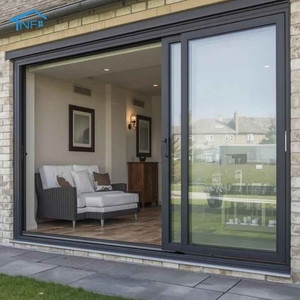
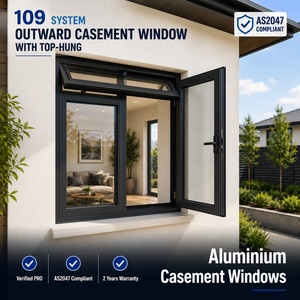
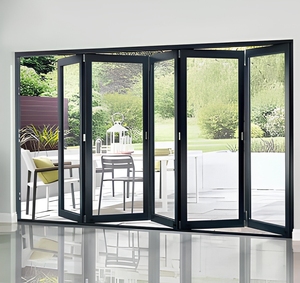
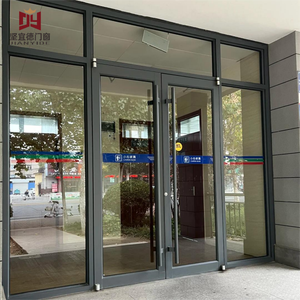
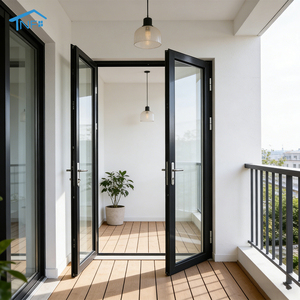
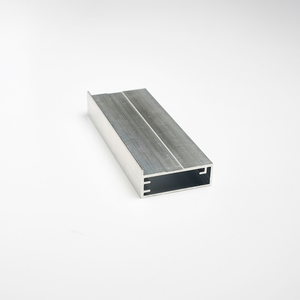
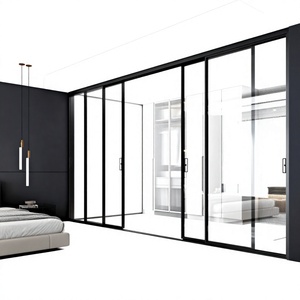
1. Global Supply Chain Dynamics for China Wholesale Aluminium Glass Kitchen Doors
In modern architectural design and residential spatial planning, aluminium glass kitchen doors have evolved from simple functional barriers into essential aesthetic and environmental control elements. As property developers, commercial architects, and procurement managers source systems globally, China has solidified its position as the premier manufacturing hub for precision-extruded aluminium fenestration and interior glass partition systems.
Leading Chinese manufacturers like Meric Window Systems Co., Ltd. integrate raw alloy extrusion, precision CNC fabrication, surface treatment technology, and high-performance thermal breaks within unified production ecosystems. This white paper serves as an authoritative procurement guide for international buyers, detailing structural metallurgy, thermal performance standards, glass physics, and international compliance frameworks required when importing wholesale aluminium glass doors from China.
2. Engineering & Material Specifications for Aluminium Kitchen Glass Doors
To ensure long-term mechanical durability and flawless operation under high humidity and grease exposure, architectural doors must adhere to rigorous material selection criteria. Below is the technical breakdown of profile alloys, surface treatments, glass units, and hardware mechanisms utilized by top-tier exporters.
Alloy Metallurgy (6063-T5 / T6)
Extruded from primary ingot aluminium with a tensile strength exceeding 185 MPa and yield strength over 145 MPa. Provides structural stability for high-slender panels up to 3.5 meters in height.
Anodizing & Fluorocarbon Coating
Surface finishing via Qualicoat-standard anodizing (15–25μm film thickness) or PVDF fluorocarbon spraying, delivering exceptional resistance to alkaline kitchen cleaning agents and oil buildup.
Thermal Break Polymers (PA66-GF25)
Integrated Polyamide PA66 strips reinforced with 25% glass fiber restrict heat transfer across frames, achieving lower system U-values and preventing moisture condensation inside kitchen environments.
3. Technical Benchmark & Performance Standards Comparison
When selecting between interior ultra-narrow kitchen doors, patio sliding doors, and commercial entrance doors, technical parameters dictate product viability. The following matrix details structural performance values across key categories.
| Performance Parameter | Ultra-Narrow Kitchen Sliding Door | Heavy-Duty Patio Sliding Door | Thermal Break Casement / Swing Door | Test Standard Compliance |
|---|---|---|---|---|
| Visible Profile Interlock | 16 mm – 22 mm | 35 mm – 50 mm | 55 mm – 75 mm | ISO 9001 / Internal Geometry |
| Air Permeability | Class 4 (≤ 1.5 m³/m²·h) | Class 4 (≤ 1.5 m³/m²·h) | Class 4 (≤ 0.5 m³/m²·h) Class A | ASTM E283 / EN 12207 |
| Water Tightness | 300 Pa - 450 Pa | 600 Pa - 900 Pa | 750 Pa - 1050 Pa | ASTM E331 / EN 12208 |
| Wind Load Resistance | 2.0 kPa – 3.0 kPa | 4.5 kPa – 6.0 kPa | 5.0 kPa – 7.5 kPa | ASTM E330 / AS2047 |
| Acoustic Insulation (STC) | 32 dB – 36 dB | 38 dB – 44 dB | 40 dB – 48 dB | ISO 717-1 / ASTM E413 |
| Glass Build-Up Options | 8mm / 10mm Monolithic Tempered | 5+12A+5 / 6+16A+6 Low-E IGU | 6+12A+6 Triple-Glazed Argon | SGCC / EN 12150 / AS/NZS 2208 |
4. Future Procurement Trends in Aluminium Glass Kitchen Doors (2025–2030)
Architectural preferences for interior spaces are undergoing a structural shift driven by urbanization, open-concept living preferences, and smart home technology integration. B2B importers must align their procurement strategies with these core industry trajectories:
A. Ultra-Narrow Sightlines with Concealed Track Systems
Modern luxury residential design demands visual invisibility. Next-generation kitchen door systems utilize recessed top-hung tracks and flush bottom tracks with zero-threshold transitions, eliminating tripping hazards while maintaining seamless floor tile continuity between cooking and dining areas.
B. Smart Glass Integration (PDLC Switchable Glazing)
Procurement demands for Polymer Dispersed Liquid Crystal (PDLC) switchable glass doors are rising exponentially. With a simple smart home signal or wall sensor, transparent glass panels transform into opaque privacy screens in milliseconds, containing kitchen clutter during social gatherings.
C. Motorized Pocket Sliding Doors with Soft-Close Damping
Automation in kitchen fenestration is moving toward micro-drive linear magnetic motors embedded within the upper profile frame. Coupled with high-durability German roller carriages, these systems allow hands-free operation via infrared motion sensors—an invaluable benefit when carrying hot cookware or trays.
D. Low-Carbon Circular Aluminium Sourcing
Global carbon border adjustment mechanisms (such as Europe's CBAM) necessitate traceable supply chains. Leading manufacturers are transitioning to hydro-powered primary aluminium billets and recycled scrap input, reducing carbon footprints below 4.0 kg CO2e/kg Al.
5. Global Buyer Sourcing Guide: Evaluating Chinese Suppliers
Sourcing wholesale aluminium glass kitchen doors from China requires strict vendor qualification to mitigate risks regarding profile tolerance, finish fading, or transit damage. B2B buyers should evaluate manufacturers based on five essential criteria:
1. Alloy Chemical Composition Verification
Ensure suppliers provide Spectrometer Test Certificates for 6063-T5 billets, confirming precise Mg (0.45-0.9%) and Si (0.2-0.6%) ratios. Substandard recycled alloys lead to micro-cracking during CNC milling and reduced structural load capacities.
2. Precision CNC Corner Crimping & Milling
High-performance doors require dual-component corner jointing glues (such as Weiss Cosmofen) combined with mechanical corner cleat crimping. This prevents frame sag and water ingress at 45-degree mitered joints over extended operational lifespans.
3. Hardware System Compatibility
Procure doors integrated with top-grade hardware systems (e.g., HOPO, Siegenia, GU, or Sobinco). Premium stainless steel 304 bearings and nylon rollers pass 100,000-cycle opening/closing endurance trials without track wear.
4. Export-Grade Container Packing Standards
Improper packaging causes costly freight damage. Demand multi-layer protective packaging: surface protective PE film, EPE foam corner wrap, vacuum sealing, and fumigated steel-reinforced wooden crates for LCL or FCL shipments.
6. Enterprise Strengths: Why Partner with Meric Window Systems Co., Ltd.
As a specialized manufacturer of modern ultra-narrow aluminium windows, panoramic sliding doors, and specialized interior glass kitchen partitions, Meric Window Systems Co., Ltd. offers unparalleled engineering expertise for architects, developers, and trade importers worldwide.
- In-House Custom Extrusion & Powder Coating: We control the entire production line—from 6063-T5 alloy extrusion dies to automated Swiss Gema powder coating lines, ensuring color consistency across multi-phase construction projects.
- Rigorous Quality Control & Pre-Shipment Assembly: 100% of finished window and door units undergo trial frame assembly, squareness verification, and laser alignment testing prior to export packaging.
- Global Certification Compliance: Our fenestration systems are engineered to meet Australian AS2047/AS2208, American AAMA/ASTM, and European CE standards, backed by third-party laboratory test documentation.
- Comprehensive OEM/ODM Shop Drawing Support: Our dedicated engineering department prepares detailed CAD and BIM drawings within 48 hours to support architectural specifiers during tender submissions.
7. Frequently Asked Questions (FAQ) for B2B Buyers
Below are authoritative technical responses to common questions encountered during the specification and procurement of wholesale aluminium glass kitchen doors.
What is the ideal frame profile thickness for interior glass kitchen sliding doors?
For interior kitchen application, non-thermal break profiles typically utilize a wall thickness of 1.4mm to 2.0mm. For large-span pocket doors exceeding 2.8 meters, profile wall thickness is increased to 2.2mm–3.0mm at the structural mullion interlock to ensure wind load deflection resistance and smooth rolling operation without flex.
How do slim-frame kitchen sliding doors handle acoustic dampening and grease isolation?
Meric Window systems incorporate high-density double EPDM gasket seals along the vertical interlocks and concealed top/bottom brush pile strip seals. When closed, this dual-perimeter sealing mechanism creates a sealed barrier that retains cooking fumes within the kitchen exhaust zone while providing sound isolation up to 35 dB STC.
Which glass types are recommended for commercial and residential kitchen door installations?
Fully tempered safety glass complying with SGCC or EN 12150 standards is mandatory. Common configurations include 8mm or 10mm single toughened glass for lightweight interior sliding panels, or 5mm+9A+5mm double-glazed tempered glass with Low-E coatings for kitchens adjacent to unconditioned exterior courtyards or patios.
What is the minimum order quantity (MOQ) and lead time for wholesale export orders?
Standard production lead times range between 25 to 35 calendar days following shop drawing approval and deposit receipt. Our flexible manufacturing setup accommodates custom project orders starting at 50 square meters, as well as high-volume multi-container commercial development contracts.
Can custom finish colors and hardware handle high-salinity coastal environments?
Yes. For coastal residential developments, we apply AkzoNobel or PPG Interpon marine-grade powder coatings or 25-micron anodized finishes that pass 3,000-hour neutral salt spray (NSS) corrosion testing according to ASTM B117 standards, paired with 316-grade stainless steel hardware.
Ready to Request Engineering Drawings & Wholesale Pricing?
Connect directly with our senior project engineering team at Meric Window Systems. Send us your architectural schedules, elevation plans, or CAD files for a comprehensive technical evaluation and direct factory quotation.