Engineered Architectural Main Door Solutions
Explore our certified aluminum entrance, pivot, sliding, and security systems configured for high-traffic commercial and residential facades.
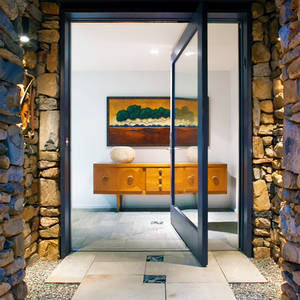
Florida Miami-Dade Approved NFRC North American Style Big Panel Tempered Glass Aluminium Modern Entry Front Pivot Doors
Get a Quote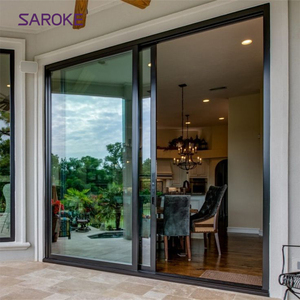
Lifting Broken Bridge Large Lift Sliding Patio Double Glazed Aluminum Sliding Doors
Get a Quote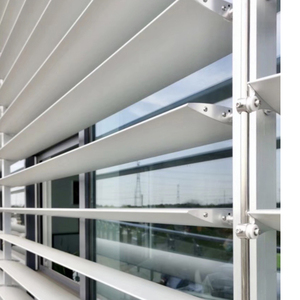
Factory Price windows Door Fence Louver Openable Privacy Screen Shutter Adjustable Louvers Aluminium
Get a Quote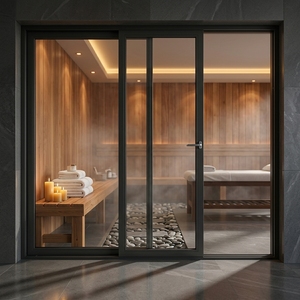
Balcony Patio Aluminum Windows and Doors Energy Efficiency Hurricane Impact Sliding Door
Get a Quote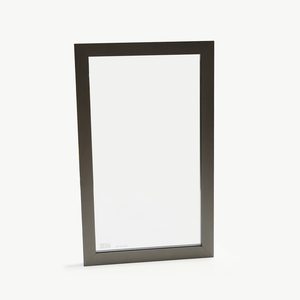
Handle-Less Design Custom Glass Cabinet Door Air Smart 4Mm Tempered Glass Aluminum Window Peripheral Frame
Get a Quote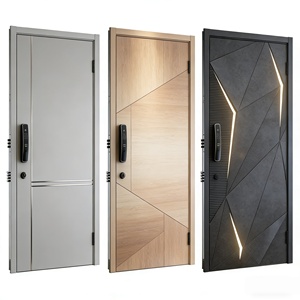
Modern Aluminum Security Door Residential Front Entrance Strong Outdoor Protection System Contemporary Minimalist Design
Get a Quote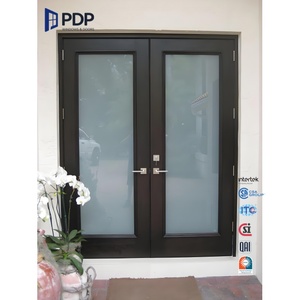
Modern Aluminum Double Leaf Door 90mm PDP Front Main Door with Fiberglass Screen Netting for Outdoor Hotels Hospitals Warehouses
Get a Quote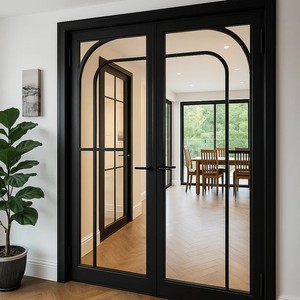
Explosion-Proof Fireproof Aluminum Glass Door CE Approved Finished For Industrial Hotel & School Use
Get a QuoteThe Engineering Paradigm Shift in Architectural Aluminium Main Door Manufacturing
In contemporary architectural design, main entry door systems have transitioned from passive access portals into sophisticated structural elements. High-end residential villas, commercial headquarters, and hospitality developments demand entrance solutions that balance ultra-narrow visual profiles with rigorous structural integrity, high thermal efficiency, and storm resilience. Modern aluminum main entrance doors manufactured in China are engineered to meet extreme wind-load specifications (exceeding 5000 Pa), strict U-value thermal requirements (< 1.2 W/m²K), and stringent international building code certifications including Florida Miami-Dade High-Velocity Hurricane Zone (HVHZ) compliance and NFRC energy benchmarks.
Information Gain Key Insight: Unlike standard hollow residential profiles, structural main entrance systems utilize primary extrusion alloys such as 6063-T5 or 6060-T6 with minimum wall thicknesses ranging from 2.0mm to 3.0mm. Combined with structural polyamide thermal breaks (PA66GF25), these systems prevent structural frame twist under dynamic loads while mitigating thermal bridging across severe climate zones.
When evaluating suppliers within China's B2B manufacturing ecosystems, top-tier exporters operate advanced CNC machining centers, automated powder coating production lines (utilizing AkzoNobel or PPG fluorocarbon coatings), and fully integrated testing labs capable of performing in-house air permeability (ASTM E283), water penetration (ASTM E331), and structural performance testing (ASTM E330).
Material Science & Structural Metallurgy Specifications
Selecting the correct metallurgical profile, surface treatment, and glazing matrix determines the service lifespan of main entry doors installed in harsh coastal, tropical, or sub-zero environments. Below is an engineering comparison matrix detailing standard vs. architectural-grade main door structural specifications:
| Performance Vector | Standard Commercial Grade | High-Performance Architectural Grade (Meric Standard) | Global Verification Standard |
|---|---|---|---|
| Aluminium Alloy & Temper | 6063-T5 (Wall Thickness 1.4mm - 1.6mm) | 6063-T5 / 6060-T6 (Wall Thickness 2.0mm - 3.5mm Reinforced) | GB/T 5237 / ASTM B221 |
| Thermal Insulation (U-Value) | Standard Non-Thermal / Single PA Strip (> 2.8 W/m²K) | Broken Bridge PA66GF25 Double Technoform Strips (< 1.1 W/m²K) | NFRC 100 / ISO 10077-2 |
| Surface Coating & Finish | Standard Anodizing (10-12 microns) / Standard Powder | PVDF Fluorocarbon Kynar 500 (3-Coat > 30 microns) / Qualicoat Class 3 | AAMA 2605 / EN 12206-1 |
| Wind Pressure Resistance | 1500 Pa – 2500 Pa | 4500 Pa – 6000 Pa (Design Pressure > 90 PSF) | ASTM E330 / Miami-Dade TAS 202 |
| Hardware & Hinge Capacity | Surface Hinges (Max Load 120kg) | Heavy-Duty German Heavy Pivot / Concealed Hinges (Max Load 400kg+) | EN 1935 / ANSI/BHMA A156.1 |
| Water Tightness Sealing | Single EPDM Gasket System | Triple Vulcanized EPDM Continuous Foam Gaskets + Concealed Drainage | ASTM E331 / EN 12208 Class 9A |
Future Procurement Trends in Wholesale Aluminium Main Doors (2025–2030)
The international supply chain for structural windows and entry systems is evolving rapidly driven by energy codes, smart automation, and minimalist design aesthetics. B2B importers, architects, and estate developers must align their procurement strategies with four key industry vectors:
1. Minimalist Sightlines & Oversized Pivot Systems
Demand is shifting from multi-panel traditional doors to massive single-leaf architectural pivot main doors exceeding 4 meters in height and 2 meters in width. These systems require internal structural stainless-steel bracing and balanced top-and-bottom offset pivot axes to allow effortless manual operation despite panel weights exceeding 350 kilograms.
2. Smart Access & Motorized Automation Integration
Modern main entry doors are no longer isolated mechanical assemblies. Leading Chinese export manufacturers integrate built-in motorized multi-point lock hardware compatible with biometric fingerprint scanning, RFID, facial recognition, and smart-home automation protocols (such as KNX and Zigbee) without compromising weather sealing.
3. Extreme Climate & Impact Resilience Engineering
With rising climate volatility, global buyers in North America, the Caribbean, and Australia prioritize hurricane impact certifications. Frame design now incorporates SentryGlas® (SGP) laminated glass interlayers capable of withstanding severe debris impacts and repetitive wind load cycles without frame rupture.
Why Global Specifiers Partner with Meric Window Systems Co., Ltd.
Meric Window Systems Co., Ltd. is a recognized technology leader in manufacturing high-precision aluminum windows, slim-profile sliding systems, structural curtain wall windows, and heavy-duty entrance doors. By unifying extrusion engineering, hardware integration, structural calculation, and direct international export, Meric provides global buyers with an integrated single-source procurement experience.
Project-Specific Structural Engineering
Every architectural drawing submitted to Meric undergoes rigorous structural review. Engineers calculate frame deflection ratios ($L/175$ or $L/240$), structural silicone dynamic loads, and thermal stress tolerances tailored to the building height and project wind zone.
International Certification Compliance
Systems are designed to meet stringent global standards, including NFRC ratings for energy efficiency, Miami-Dade HVHZ impact standards for North American coastal regions, CE certifications for Europe, and AS2047 requirements for Australia.
End-to-End Export Logistics Protection
Completed main door units undergo 100% pre-assembly inspection before receiving protective film coating, corner impact guards, and custom steel-reinforced fumigated wooden crate packaging engineered for sea container transport.
Frequently Asked Questions for Wholesale Aluminium Main Door Procurement
Detailed technical guidance addressing key concerns from commercial developers, main contractors, architectural specifiers, and direct importers.