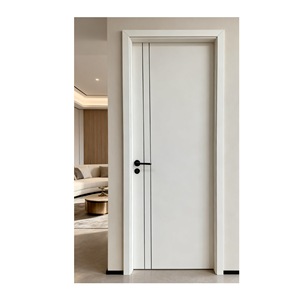
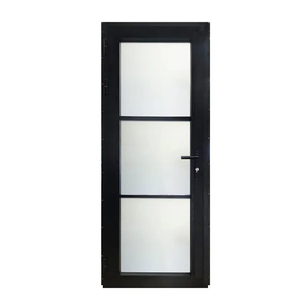
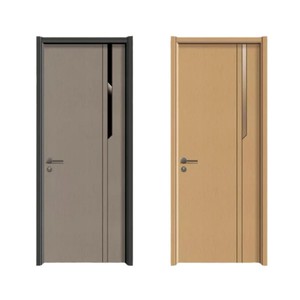
China Wholesale Aluminium Residential Doors Manufacturer & Factories
Architectural-Grade Thermal Break Aluminum Door Systems | Australian Standard AS2047 & North American NFRC Certified Engineering Solutions for Global B2B Procurement
Featured Commercial & Residential Door Systems
Engineered extruded 6063-T5 aluminum profiles featuring advanced thermal barrier technology, superior acoustic insulation, and multi-point security hardware.
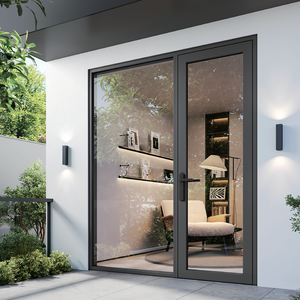
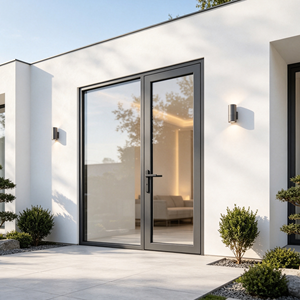
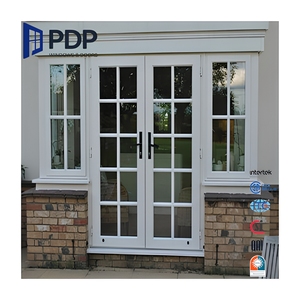
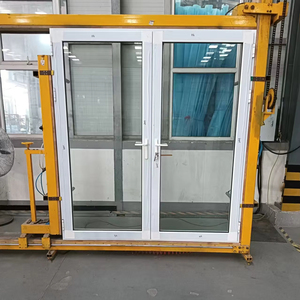
Australian Standard AS2047 Certificated Luxury Swing Door Thermal Break Double Glazed Casement Aluminum Doors
Meric Window Systems Co., Ltd. operates a fully integrated, state-of-the-art aluminum extrusion and window manufacturing facility engineered to meet rigorous international architectural codes.
As a premier China wholesale aluminum residential doors manufacturer and industrial exporter, our engineering infrastructure is tailored specifically to solve complex envelope challenges for architects, real estate developers, structural engineers, and global building product importers. Operating from Foshan—the epicenter of global architectural aluminum extrusion—our automated facilities span precision extrusion lines, anodizing and powder-coating plants, CNC machining centers, and structural assembly bays dedicated to high-performance residential fenestration systems.
6063-T5 High-Precision Profiles
We utilize exclusively 100% virgin 6063-T5 aluminum billet extrusions with nominal wall thicknesses ranging from 1.6mm to 2.0mm, delivering structural strength capable of withstanding extreme hurricane wind pressures up to 4500 Pa.
AS2047 & NFRC Compliance
Our products undergo rigorous third-party mechanical and thermal testing. We hold full AS2047 certification verified by NATA-accredited laboratories for air tightness, water penetration resistance, and structural deflection under loading.
Advanced Thermal Break Tech
By crimping high-density PA66GF25 (25% fiberglass reinforced polyamide) thermal barrier strips between aluminum extrusions, our door frames eliminate thermal bridges, achieving U-values as low as 1.4 W/m²·K.
Strategic Product Selection & Engineering Matrix
Selecting the appropriate residential aluminum door configuration requires balancing architectural aesthetics, structural wind loading (Pa), thermal insulation requirements, sound transmission class (STC ratings), and water tightness performance. Below is our engineering selection guide designed for project procurement managers and structural specifiers:
Door System Category
Structural Profile Spec
Thermal Barrier
Standard Glass Unit (IGU)
Max Wind Load (Pa)
Target Application
Thermal Break French Swing Door
2.0mm Heavy Duty 6063-T5
24mm PA66GF25 Polyamide
6mm Low-E + 12Ar + 6mm Toughened
4500 Pa (AS2047 Pass)
Luxury Villas, Coastal Patios, Main Entryways
Outward Opening Casement Door
1.6mm - 1.8mm Precision Profile
14.8mm PA66 Strip
5mm + 9A + 5mm Double Tempered
3500 Pa
Residential Balconies, High-Rise Apartments
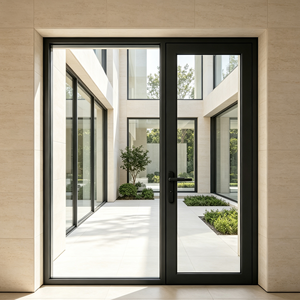
Minimalist Ultra-Narrow Frame Door
2.0mm Concealed Frame
Integrated Thermal Break
8mm + 12Ar + 8mm Laminated Low-E
3000 Pa
Modern Architectural Interiors, Sunrooms
Fluted & Acoustic Wooden-Hybrid Door
1.4mm Interior Aluminum Rim
Acoustic Core Fill
Solid Recessed Wood / Reeded Glass
Interior Rated
Bedrooms, Executive Offices, Luxury Suites
Future Sourcing Trends: The Evolution of Global Aluminum Door Procurement
As global energy codes tighten (such as Australia's NCC 2022/2025 energy efficiency updates, Title 24 in California, and Europe's EPBD directives), the procurement criteria for wholesale aluminum residential doors have shifted dramatically from basic price-per-square-meter sourcing to performance-driven lifecycle procurement. Global B2B buyers must navigate several technical evolutions:
1. Micro-Sightline Engineering & Invisible Frames: Architectural demand is accelerating toward ultra-narrow sightlines (20mm to 35mm visible interlocks). China's leading factories are replacing traditional bulky outer sashes with structural silicone bonded glass systems where the heavy glass pane serves as the primary structural stiffener, delivering panoramic daylighting without compromising structural load capacity.
2. Sustainable & Decarbonized Extrusions (Green Aluminum): International property developers are requiring Environmental Product Declarations (EPD) for window and door assemblies. Wholesale manufacturers in China are progressively adopting hydro-powered recycled aluminum billets (certified low-carbon footprint <4.0 kg CO2/kg Al), allowing project developers to score maximum points under LEED, BREEAM, and Green Star accreditation systems.
3. Smart Hardware & Concealed Multi-Point Locks: Modern residential exterior doors are no longer simple mechanical barriers. The market is shifting toward concealed motorized actuation, integrated biometrics, and multi-point perimeter locking hardware engineered directly into the thermal break groove, providing anti-burglary protection rated up to European RC2/RC3 security levels.
Direct technical answers to the most common questions raised by international buyers, facade contractors, and structural engineers during factory audit and quotation phases.
Why is AS2047 certification essential when importing residential aluminum doors to Australia and New Zealand?
AS2047 is the mandatory Australian Standard for windows and external doors in buildings. It defines structural performance, deflection limit (L/175 or L/250), air infiltration resistance (maximum 1.0 L/s·m² for air-conditioned spaces), water penetration resistance (typically 150Pa to 600Pa depending on wind climate zone), and ultimate strength. Importers purchasing non-certified doors risk rejection by site certifiers and severe legal liability under national building codes.
What profile surface treatments are recommended for harsh coastal environment installations?
For oceanfront installations (within 1km of saltwater), we strongly recommend either PVDF (Polyvinylidene Fluoride) fluorocarbon coating (min 3-coat system) compliant with AAMA 2605, or marine-grade anodizing with a film thickness of 20μm to 25μm (Qualanod certified). Powder coatings should meet Qualicoat Class 2 or AAMA 2604 standards to prevent filiform corrosion, chalking, and UV degradation.
How does thermal break polyamide (PA66GF25) compare to standard PVC thermal strips or non-thermal profiles?
PA66GF25 consists of Nylon 66 reinforced with 25% glass fiber. It matches the linear coefficient of thermal expansion of aluminum alloy (2.3 x 10^-5/K), preventing internal shear stress, structural delamination, or seal failure under high temperature fluctuations (-30°C to +80°C). Inferior PVC strips melt or warp at low temperatures and lack structural shear strength, rendering them unsuitable for architectural door frames.
What is the standard lead time and export packaging procedure for wholesale container orders?
Standard manufacturing lead times for customized engineering drawings are 25 to 35 calendar days following shop drawing approval and deposit receipt. For export packaging, each assembled door unit undergoes protective blue protective wrapping, corner guards, EPDM foam cushioning, and is secured inside fully enclosed plywood crates or steel A-frame racks designed for safe forklift un-loading from 40ft High Cube containers.
What glass specifications are available for soundproofing and extreme energy efficiency?
We offer custom Insulated Glass Units (IGU) including double glazed (e.g. 6mm Low-E + 12Ar + 6mm Toughened) and triple glazed assemblies with warm edge spacers (Swisspacer). For enhanced acoustic attenuation (STC up to 45 dB), we integrate acoustic PVB laminated glass panes (e.g. 6mm + 1.52PVB + 6mm) which effectively dampen traffic and low-frequency outdoor ambient noise.
Request a Direct Engineering Quote & Factory Direct Pricing
Are you an architect, project developer, facade contractor, or wholesale distributor? Submit your architectural schedules or window elevations today. Our senior structural team will review your specifications, conduct wind pressure calculations, and provide shop drawings within 24 hours.