Commercial Product Showcase
Explore our export-grade, thermally broken aluminum glazed door and window systems engineered for global building codes.
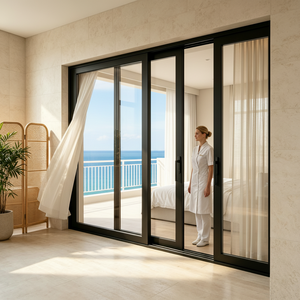
Customized Aluminum Alloy Outdoor Courtyard Sliding Doors Hurricane-Resistant Double Tempered Glass Silent Sliding Living Room
Send an Inquiry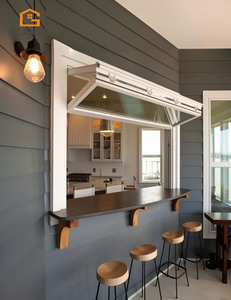
Aluminum Folding Window Thermal Break Soundproof Bi Fold Window Tempered Double Glazed Black Windows Kitchen Servery Window
Send an Inquiry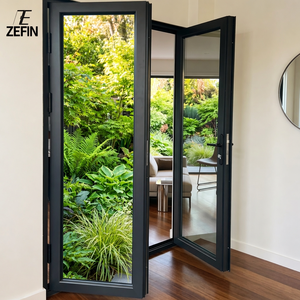
Aluminum Villa Entrance Sliding Door, Waterproof And Fire-rated Commercial Bathroom Door, OEM Project Bulk Order
Send an Inquiry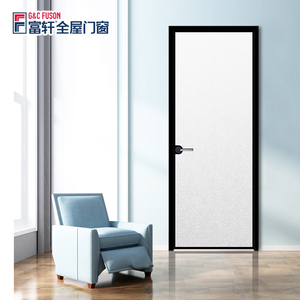
2025 Cool Contemporary Style High Quality Waterproof Casement Door Tempered Glass Side Opening Aluminium Casement Door
Send an Inquiry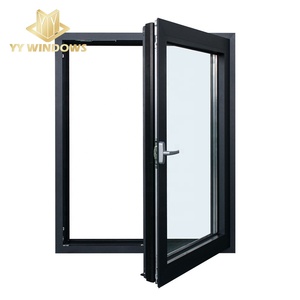
YY Facades Thermal Break Aluminum Windows Floor to Ceiling Windows Bay Casement Windows
Send an Inquiry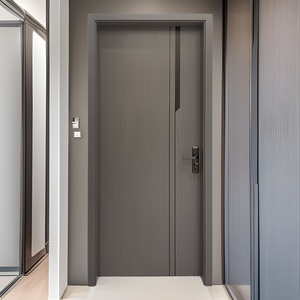
Foshan Aluminum Alloy Anti-Theft Bedroom Door Household Soundproof Environmentally Friendly All-Aluminum Interior Study Door
Send an Inquiry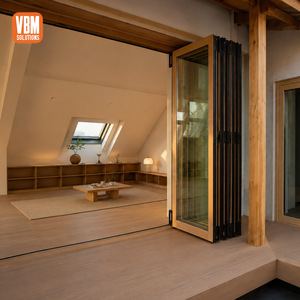
Energy Efficient Aluminium Folding Glass Door Wood Grain Finish for Courtyard Residence and Family Living Space
Send an Inquiry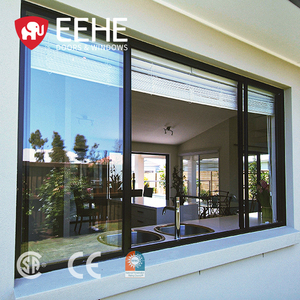
Mobile Home Simple Aluminum Double Glazed Sliding Window Aluminum Mirror Glass Triple Track Screen Sliding Window
Send an Inquiry1. Strategic Overview: The Evolution of China’s Architectural Aluminum Door Manufacturing Hub
In modern commercial and high-end residential architecture, the glazed door is no longer treated merely as a passive building partition. It functions as a critical component of the building envelope, responsible for acoustic isolation, structural integrity, daylight optimization, and overall thermal efficiency. As international building energy codes tighten across North America, Europe, Australia, and the Middle East, global developers and procurement directors are re-evaluating their supply chains to balance rigorous engineering standards with cost efficiency.
China—and specifically the Foshan manufacturing cluster in Guangdong province—has established itself as the undisputed global capital for architectural aluminum extrusion, surface finishing, and complex structural glazing assembly. Modern Chinese aluminum glazed door factories have transitioned from low-cost component suppliers into sophisticated OEM/ODM system engineering houses capable of delivering fully tested, custom-designedfenestration packages compliant with ASTM, AS2047, BS EN, and NFRC certifications.
Information Gain Insight: The competitive advantage of sourcing aluminum glazed doors from premier Chinese factories lies in vertical supply integration. Premium suppliers process raw aluminum billets, extrude proprietary profiles using 6063-T5 alloy, apply multi-stage powder or PVDF coatings, insert structural polyamide thermal breaks (PA66-GF25), and assemble insulated glass units (IGUs) under one integrated quality assurance regime.
For international buyers—including general contractors, commercial facade specifiers, and hardware distributors—evaluating a Chinese wholesale aluminum glazed door supplier requires understanding the physics of profile extrusion, hardware integration, and shipping risk mitigation. This industry whitepaper provides an exhaustive technical analysis of structural aluminum glazing systems, procurement market trends, engineering mechanics, and direct factory verification protocols.
Global B2B Procurement Trends (2025–2030)
Key technological shifts and regulatory demands shaping the architectural aluminum glazing supply chain.
Embodied Carbon & Green Aluminum
Leading global buyers now require Environmental Product Declarations (EPDs). Premier factories are adopting low-carbon primary aluminum smelted via hydropower, alongside high-ratio scrap recycling to satisfy LEED v4.1 and BREEAM decarbonization mandates.
Ultra-Narrow Sightlines (Minimalist Systems)
Architectural demand is rapidly shifting toward concealed frames with interlock sightlines down to 20mm–26mm. These panoramic sliding doors maximize natural daylight while transferring structural wind loads entirely through reinforced multi-track outer frames and structural glass bonding.
Smart Glazing & Motorized Automation
Commercial B2B orders increasingly feature integrated smart home automation: heavy-duty motorized lift-and-slide tracks capable of moving 400kg+ panels via magnetic levitation or concealed brushless motors, coupled with electrochromic privacy glass.
3. Engineering Deep-Dive: Thermal Break Science and Glass Technology
A primary failure point in substandard commercial doors is thermal bridging—where heat or cold transfers directly through non-insulated aluminum frames, causing internal condensation, energy loss, and eventual structural degradation of surrounding drywalls. Premium wholesale manufacturers employ high-performance thermal break technology to isolate interior and exterior aluminum profiles.
| Specification Feature | Standard Commercial Grade | High-Performance Architectural Grade | Meric Engineering Standard |
|---|---|---|---|
| Aluminum Alloy Grade | Recycled 6063-T5 (Uncertified) | Primary 6063-T5 / T6 Aluminum | Primary Virgin 6063-T5 (Precision Extruded) |
| Thermal Break Strip | PVC / Low-grade Plastic Strips | Polyamide PA66-GF25 (25% Glass Fiber) | Technoform® PA66-GF25 Polyamide Struts |
| Glazing Configuration | Single 5mm / Double 5+9A+5 Tempered | Double 6+12Ar+6 Low-E Tempered | Triple Glazed / Argon Gas / Warm Edge Spacer |
| Acoustic Rating (STC) | 25 - 30 dB | 35 - 40 dB | 40 - 45 dB (Laminated Acoustic PVB) |
| Surface Coating Spec | Standard Mill Finish / Basic Paint | Qualicoat Powder Coating (60µm) | AkzoNobel Interpon PVDF / Fluorocarbon (20 Yrs) |
Polyamide PA66-GF25 Isolation: Unlike budget manufacturers that use cheap PVC strips which degrade under UV radiation and crack under shear force, top-tier factories utilize Technoform-grade PA66 strips reinforced with 25% glass fiber. This matches the thermal expansion co-efficient of aluminum, preventing frame warping under extreme ambient temperature differentials (-30°C to +70°C).
Acoustic & Structural Glazing Mechanics: Double and triple-pane insulated glass units (IGUs) are filled with 90%+ pure Argon gas and sealed with dual-component structural silicone (Dow Corning / Sika). For coastal and hurricane-prone zones (such as Florida, Australia’s Cyclone Regions, and the Caribbean), glass build-ups incorporate multi-layer PVB or SentryGlas® (SGP) interlayers to pass stringent missile-impact and cyclic wind-pressure tests.
Frequently Asked Questions for Commercial Buyers
Clear, authoritative answers addressing technical compliance, customization, MOQs, and global shipping logistics.
Ready to Quote Your Architectural Project?
Send us your architectural drawings, window schedules, or technical specifications. Our structural engineers will return a complete factory quote within 24 hours.
Send an Inquiry