Featured Engineering Solutions & Architectural Systems
Direct factory wholesale systems compliant with international structural, acoustic, and thermal break standards.
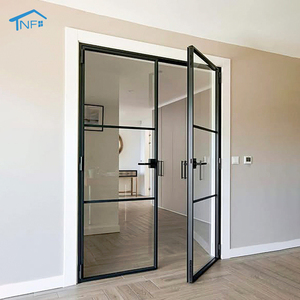
French Design Commercial Swing Soundproof Waterproof Aluminum Double Tempered Glass Casement French Door For Villas Kitchen
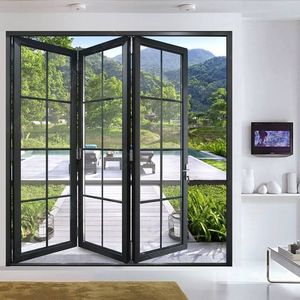
Windproof Bi-fold Doors Aluminum Glazing Double Glass Panels Low E Folding Door Aluminum Windproof For Houses
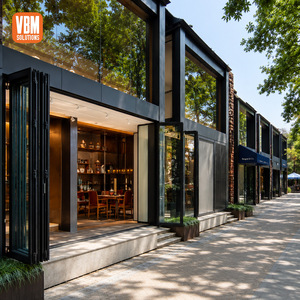
Customized Aluminum Bifold Door for Sunroom Courtyard Terrace Villa Large Opening Glass Door System
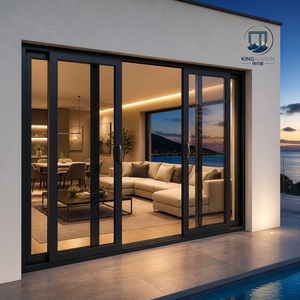
Customized Aluminum Double Tempered Glass Sliding Door AS2047 Balcony Courtyard Avoid Hurricane Impact Sliding Door
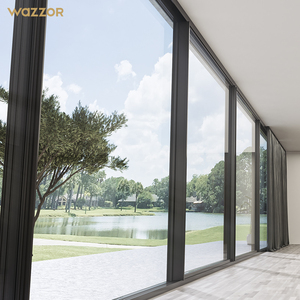
Wazzor Modern Double Glazed Aluminium Frame Slide House Windows Aluminum Sliding Door Factory Competitive Price for Australian
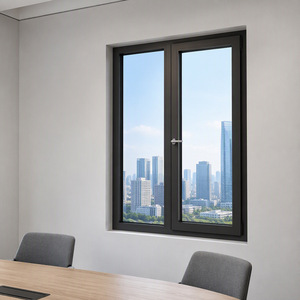
Double Glazed Aluminium Casement Windows with Thermal Break & Flyscreen Design, Builder Choice, Sleek Powder Coating
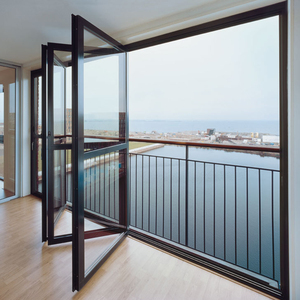
Hot Sale American NFRC Standard Aluminum Interior Patio Folding Bifold Doors
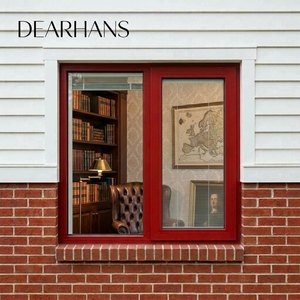
Double Glazed Soundproof Types Aluminium Profile Casement windows Impact windows Hurricane Proof Exterior windows for Home
1. Executive Overview: Sourcing Aluminum Hopper Windows from China Manufacturers
In modern architectural fenestration design, Aluminum Hopper Windows (bottom-hung, inward-tilting window systems) serve a critical role in optimizing ventilation, security, and weatherproofing across basement installations, high-wall transom elevated positions, semi-underground structures, and commercial curtain wall assemblies. When sourcing wholesale quantities from China manufacturers, global engineering procurement teams must look beyond superficial aesthetic appeal and evaluate structural extrusion profiles, thermal break thermodynamics, EPDM seal elasticity, and hardware load-bearing dynamics.
As premier OEM/ODM manufacturers like Meric Window Systems Co., Ltd. scale production utilizing high-precision CNC machinery, the global procurement landscape has shifted toward high-performance thermal break profiles (such as 6063-T5 alloy with Polyamide PA66-GF25 structural insulation). This white paper provides architects, building developers, general contractors, and bulk importers with a comprehensive technical evaluation framework to de-risk sourcing, ensure standard compliance (BS/EN, AAMA/WDMA/CSA, AS2047), and calculate total cost of ownership (TCO).
2. Metallurgical & Structural Engineering Benchmarks
The structural integrity of an aluminum hopper window depends directly on profile geometry, wall thickness, and alloy composition. Hopper windows experience specific rotational forces along their lower frame pivot points. High-wind zones and high-rise applications require strict adherence to mechanical property thresholds:
| Engineering Parameter | Standard Commercial Grade | High-Performance Architectural Grade (Meric Standard) | Testing & Compliance Benchmark |
|---|---|---|---|
| Alloy & Temper | 6063-T5 Aluminum Profile | 6063-T5 / 6061-T6 High-Extrusion Billet | GB/T 5237.1 / ASTM B221 |
| Frame Wall Thickness | 1.2 mm - 1.4 mm | 1.8 mm - 2.5 mm Structural Profile | AAMA 101/I.S.2/A440-11 |
| Thermal Barrier Material | PVC / Generic Nylon Insulators | Polyamide PA66-GF25 (25% Glass Fiber Reinforced) | EN 14024 Structural Shear Test |
| Glazing Compatibility | 5mm + 6A + 5mm Monolithic/IGU | 6mm + 12Ar + 6mm Low-E / Triple Laminated IGU | IGCC / EN 1279 Double Sealed |
| Surface Treatment | Standard Anodizing (10μm) | PVDF Fluorocarbon (3-Coat ≥ 40μm) / Qualicoat Powder | AAMA 2605 / ISO 2360 |
| Weather Gasket System | Standard Rubber / Vinyl | Continuous EPDM Triple-Sealed Vulcanized Gaskets | ASTM C864 Durability Standard |
2.1 Thermodynamics & Air/Water Tightness Mechanisms
Because hopper windows tilt inward from the top, water management requires dual-stage drainage cavities within the frame sill. During heavy rain conditions driven by wind pressure (e.g., wind pressures exceeding 600 Pa), water entering the outer chamber must drain outward via pressure-equalized weep holes fitted with anti-backdraft caps. EPDM (Ethylene Propylene Diene Monomer) gasket systems prevent air infiltration by compressing uniformly along three contact surfaces when the multi-point stay friction stays engage.
Why Overseas Developers & Buyers Partner with Our Factory
End-to-end manufacturing capability engineered to remove risk from high-volume international sourcing.
Precision 5-Axis CNC Milling
Meric Window Systems Co., Ltd. utilizes automated CNC cutting and corner-crimping centers. German two-component corner sealants are injected into every profile junction to guarantee absolute structural stiffness and prevent frame corner water leakage.
Rigorous Pre-Shipment Inspection
Every production batch undergoes 100% pre-shipment testing covering dimension tolerances, hardware torque thresholds, air permeability (ASTM E283), and hydrostatic pressure resistance before export packaging.
Export-Grade Protective Packaging
Finished units feature clear protective surface film, shock-absorbing rubber corner guards, high-density foam wrapping, and are sealed in fumigated wooden crates or heavy-duty steel racks built for containerized ocean transport.
3. Future Sourcing & Technological Trends in Aluminum Hopper Windows
The global construction industry is transitioning rapidly toward net-zero energy buildings (NZEB), Passivhaus standards, and automated smart building management systems (BMS). Procurement directors sourcing aluminum hopper windows from Chinese manufacturers must prepare for three critical technology transformations over the next decade:
3.1 Ultra-Narrow Sightlines & Concealed Hardware
Architects increasingly demand minimal sightlines that maximize daylight intake. Advanced hopper window designs feature concealed hinges and flush-fitting frames where visible aluminum profiles drop below 35mm. Concealed multi-point friction stays allow smooth inward tilting without compromising security or clean interior aesthetics.
3.2 Smart Motorized Actuators & Smoke Vent Integration
High-wall transom hopper windows are shifting from manual latch handles to integrated chain actuators linked to RS485 / Zigbee protocols. In commercial developments, these motorized hopper windows automatically open during building smoke purge sequences or night-flush natural cooling cycles, significantly lowering HVAC energy loads.
3.3 Low-Carbon Aluminum & EPD Certification
Environmental Product Declarations (EPDs) are becoming mandatory in North American and European procurement tenders. Top China manufacturers are adopting recycled aluminum billets (processed using hydro-electric power) to reduce embodied carbon footprint to below 4.0 kg CO2e/kg Al.
3.4 Vacuum Insulated Glass (VIG) Adaptation
Next-generation hopper windows incorporate thin Vacuum Insulated Glass (VIG) units, achieving center-of-glass U-values as low as 0.40 W/m²K (R-14 equivalent) in a profile depth under 70mm, drastically reducing frame weight while exceeding severe climate thermal performance.
Frequently Asked Questions (FAQ) for Global Buyers
Technical clarity regarding specifications, testing standards, lead times, and factory customization.
Ready to Optimize Your Project Procurement?
Connect directly with our engineering sales department at Meric Window Systems Co., Ltd. for structural calculations, shop drawings, sample requests, and wholesale factory pricing.