Featured OEM Architectural Window & Door Systems
Precision-engineered aluminum profiles, custom jali lattice integration, and acoustic thermal glazing packages built for international commercial and residential developments.
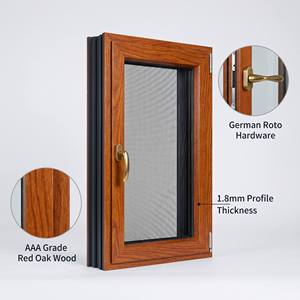
HUACAI Russian Larch Grade Aluminum Wood Composite Window Sound Insulation Glazed System Window
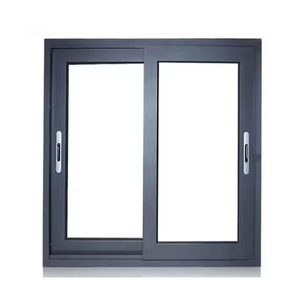
Simple Style Aluminium Sliding Window Water Proof Sound Insulated Sliding Window for Balcony Bedroom House Exterior Installation
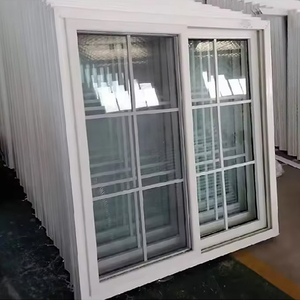
OUNA Modern Double Glazed Aluminum Slided Windows Screen Glass Soundproof Hurricane Proof Sliding Window for Villas
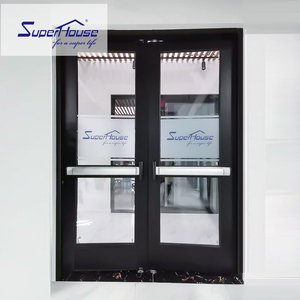
Superhouse Double Opening Soundproof Anti-theft Aluminum Frame Double Glazing Escape Door With Panic Bar
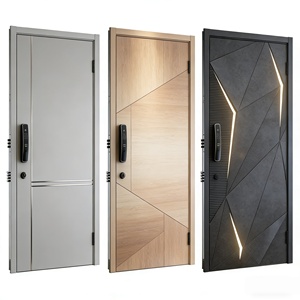
Modern Aluminum Security Door Residential Front Entrance Strong Outdoor Protection System Contemporary Minimalist Design
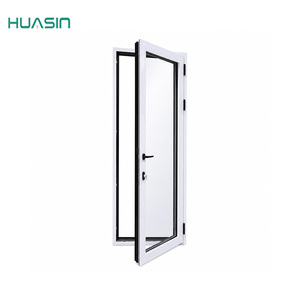
Huasin Customized Modern Design Lowe Double Tempered Glass Sound Heat Insulation Swing Aluminum Casement Door
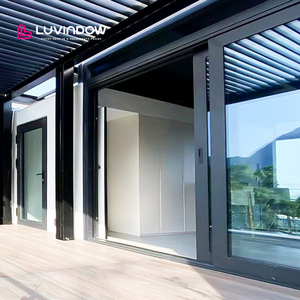
Hot Sell Energy Efficiency Custom Double Layered Tempered Glass Thermal Break Aluminum Lift Sliding Balcony Patio Doors
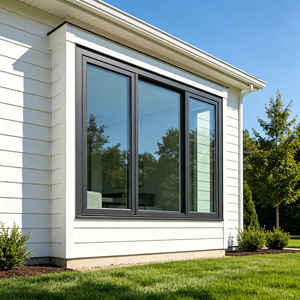
Thermal Break Aluminum Double Hung Window Large Size Double Glazed Low-E Glass for American Residential Villa Projects
OEM Architectural Aluminum Jali Window Fabrication Standards
Modern fenestration design has evolved beyond basic glass enclosure systems. In contemporary high-end residential villas, resort developments, and iconic commercial facades, custom OEM aluminum Jali (perforated lattice grille) windows serve dual structural and environmental objectives: managing solar heat gain coefficients (SHGC), providing security, ensuring privacy, and achieving distinctive architectural identity. To deliver these capabilities at scale, professional aluminum window manufacturing facilities must integrate advanced 5-axis CNC laser cutting, automated profile extrusion, structural thermal barrier insertion, and precise CAD/BIM parametric engineering.
When sourcing from an OEM factory, architectural procurement leads must evaluate key material specifications to ensure weatherability across varied climatic conditions—ranging from high-humidity coastal zones to extreme solar-exposure desert climates:
Alloy Metallurgy & Extrusion
Architectural frames utilize 6063-T5 or 6061-T6 aluminum alloys. Profiles undergo precision extrusion with wall thicknesses ranging from 1.4mm to 3.0mm depending on wind load requirements (ASTM E330).
CNC Laser Perforation
Lattice screens are laser-cut from high-tensile 3003-H14 aluminum sheet stock. CNC precision ensures clean edge radii, uniform openness ratios (20% to 65%), and zero mechanical stress warping.
PVDF & Anodized Coatings
Finishes adhere to AAMA 2605 standards. 3-coat PVDF fluorocarbon coatings provide superior UV resistance, salt-spray durability (>4000 hours), and color retention over decades.
Comprehensive OEM Aluminum Jali Window Technical Matrix
The following performance benchmark table details standard OEM factory specifications for custom aluminum Jali fenestration systems manufactured for export projects:
| Performance Parameter | Standard Specification | Testing / Compliance Standard | Engineering Benefit |
|---|---|---|---|
| Aluminium Frame Material | 6063-T5 / T6 Architectural Alloy | GB/T 5237 / ASTM B221 | High structural rigidity, crisp corner crimping |
| Thermal Insulation (U-Value) | 1.2 – 1.8 W/m²K (Thermal Break) | EN ISO 10077-2 / NFRC 100 | Significant HVAC operational energy reduction |
| Acoustic Performance (STC) | STC 38 dB – 45 dB | ASTM E90 / ISO 717-1 | Superior sound dampening in urban corridors |
| Wind Load Resistance | Up to 5.0 kPa (Project Tailored) | ASTM E330 / EN 12210 | Hurricane & high-rise structural stability |
| Air Infiltration Rate | Class 4 (≤ 0.1 m³/h·m²) | ASTM E283 / EN 12207 | Air-tight sealing against dust and moisture |
| Jali Screen Openness Ratio | 25% – 60% Custom Parametric | Architectural Specification | Optimized shading coefficient & daylighting |
| Surface Treatment Finish | PVDF Fluorocarbon / Anodized 25μm | AAMA 2605 / Qualicoat Class 3 | Maximum resistance to fading, chalking & salt air |
Global Sourcing & Procurement Trends for Aluminum Jali Windows
As international building codes mandate stricter energy efficiency thresholds and zero-carbon targets, global procurement strategies for fenestration products are shifting rapidly. B2B importers, developers, and facade contractors are moving away from standard off-the-shelf window units toward customized factory-integrated OEM solutions. Understanding these macroeconomic and technological shifts allows procurement managers to de-risk their supply chain and gain competitive advantage.
1. Integration of Thermal Break Technology with Decorative Screening
Historically, decorative Jali screens were retrofitted over exterior window openings as non-structural additions, creating maintenance challenges, wind noise, and thermal bridging. The upcoming procurement trend emphasizes unified thermal-break framing. Modern factories now extrude multi-cavity aluminum profiles featuring Polyamide (PA66-GF25) thermal strips, enabling the exterior track to host CNC-cut Jali panels while the interior tracks handle double or triple insulated glass units (IGU). This unified design ensures seamless thermal isolation and simplified site installation.
2. Demand for Parametric CAD/CAM Customization in B2B Sourcing
Architects increasingly demand non-repetitive geometric patterns derived from parametric design software. OEM aluminum window factories that invest in automated CAD-to-CNC production pipelines can execute complex custom Jali patterns without incurring excessive tooling lead times or die modification costs. B2B buyers now prioritize manufacturers capable of accepting direct BIM (Building Information Modeling) Revit files for automated cost estimation and fabrication modeling.
3. Carbon Border Adjustment Compliance & Recycled Aluminum Usage
With regulations such as Europe's Carbon Border Adjustment Mechanism (CBAM) taking effect, the environmental footprint of aluminum extrusion manufacturing is under intense scrutiny. Leading OEM aluminum Jali window factories are transitioning to low-carbon primary aluminum billet (smelted using renewable hydro-electric power) and incorporating high percentages of post-consumer recycled aluminum (up to 75%). Sourcing low-carbon certified window assemblies provides commercial developers with vital points toward LEED and BREEAM green building certifications.
4. Prefabricated Unitized Window & Shading Modules
Jobsite labor costs and tight construction schedules are driving the adoption of pre-assembled, unitized fenestration modules. Instead of installing window frames, glass panes, operable hardware, and exterior Jali grilles in separate sequential trades on-site, modern factories deliver fully glazed, factory-sealed, and pre-fitted Jali window units. These factory-tested assemblies arrive on steel A-frame racks ready for crane hoisting and rapid anchor bolting.
Future Product Development Trends in OEM Jali Window Manufacturing
The convergence of smart home automation, material science, and dynamic architecture is redefining the capability of aluminum Jali windows. OEM factories are actively prototyping and commercializing next-generation features that will become standard specification across luxury developments over the next decade:
Kinetic Dynamic Jali Systems
Motorized, sensor-driven Jali panels that automatically track sun elevation angles, opening or closing perforations dynamically to optimize natural light while eliminating direct solar glare and thermal heat spikes.
Smart Glass & Screen Synergy
Combining perforated metal Jali screens with electrochromic (smart tinting) or vacuum-insulated glass (VIG). This hybrid configuration delivers U-values under 0.8 W/m²K alongside tailored daylight diffusion.
Integrated Photovoltaic (BIPV) Screens
Embedding micro-thin solar photovoltaic films onto the outward-facing surfaces of aluminum Jali louvers, turning solar-shading window screens into clean energy-generating architectural assets.
Enterprise Advantages of Partnering with Our OEM Factory
As a specialized manufacturer of aluminum windows, sliding doors, curtain walls, and custom Jali screen assemblies, Meric Window Systems Co., Ltd. operates under rigorous engineering-first principles. We serve architects, general contractors, real estate developers, and international distributors with tailor-made fenestration packages designed for long-term operational excellence.
Our Core Production & Quality Assurance Standards:
- Structural Engineering Verification: Every order undergoes rigorous calculation of profile moment of inertia, glass load tolerances, and wind load deflection limits prior to extrusion cutting.
- In-House CNC Fabrication: Precision 5-axis CNC machining centers execute corner crimping, lock mortising, water drainage slot routing, and Jali panel laser cuts with zero manual error.
- Premium Hardware & Gasket Sealing: We utilize multi-point locking systems from European leaders (Siegenia, Hoppe, Sobinco) combined with multi-channel EPDM weather gaskets for superior air-tightness.
- Comprehensive Pre-Shipment Testing: 100% of finished window frames and Jali panels are dry-assembled, inspected for coating thickness, operated for smooth mechanical cycling, and verified against project elevation drawings.
- Heavy-Duty Export Packaging: Units are protected with protective scratch-resistant film, impact-absorbing corner bumpers, bubble wrap, and packed inside fully enclosed fumigated wooden crates or steel A-frame racks for container shipping.
Frequently Asked Questions for B2B Importers & Specifiers
What is the standard lead time for custom OEM aluminum Jali window orders?
Standard OEM production lead time is typically 30 to 45 calendar days after shop drawing approval and deposit confirmation. This timeframe accommodates custom CAD programming, CNC laser perforation of Jali screens, aluminum extrusion finishing (PVDF/Anodizing), double-glazed IGU assembly, and 100% pre-shipment dry-fit testing. Fast-track options are available for ongoing project phases.
Can your factory produce custom Jali patterns provided by our architectural team?
Yes, absolutely. Our engineering department operates advanced CAD/CAM software capable of importing DWG, DXF, Step, and Revit BIM files. We directly translate your custom pattern into precision 5-axis CNC laser cutting paths, verifying structural rib strength and wind vibration characteristics before full-scale production.
How do aluminum Jali windows handle wind noise and acoustic whistling?
Acoustic whistling occurs when perforated screen edges lack proper chamfering or when hole spacing creates aerodynamic resonance. Our factory prevents wind noise by utilizing CNC edge-smoothing algorithms, maintaining optimal hole-to-pitch ratios, and isolating the outer Jali panel from the structural frame using anti-vibration EPDM gaskets and nylon isolation washers.
What surface treatment option is recommended for harsh coastal regions?
For coastal or high-salinity marine environments, we recommend a 3-coat PVDF (Fluorocarbon) coating conforming to AAMA 2605, or a 25-micron anodic oxidation finish with pre-anodized pretreatment. These treatments provide salt-spray resistance exceeding 4,000 hours, preventing pitting corrosion, chalking, and color fading.
What documentation and certifications are provided with export shipments?
Each container shipment is accompanied by Mill Test Certificates (MTC) for 6063-T5 aluminum alloy, glass tempering compliance certificates (IGCC / EN 12150 / AS/NZS 2208), factory QC inspection reports, detailed window tagging schedules matching architectural elevation drawings, and comprehensive installation manuals.
Request a Custom Project Quotation & Engineering Review
Submit your window schedules, CAD elevation drawings, or project specification sheets to receive a comprehensive technical proposal, structural calculation sheet, and direct factory pricing.
Get a Quote