Precision-Engineered Louver & Jalousie Systems
Explore our certified commercial-grade louver assemblies, hurricane impact glass jalousies, and automated outdoor ventilation shutters manufactured to rigorous global specifications.
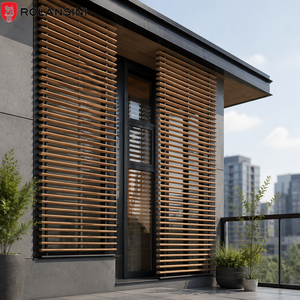
Rolansini Hurricane Impact Adjustable Ventilation Grill Outdoor Living Room Hand Crank Louver Aluminum Louvre Window Thermal
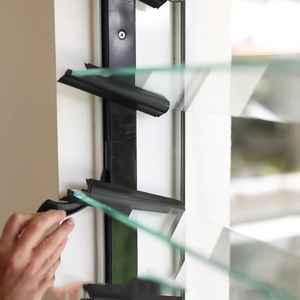
Australian Standard Window Glass Louver Automated Glass Jealousy Louvers Aluminium windows Airier Louvre windows Blades Glass
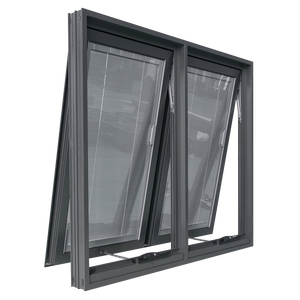
Florida Approval Hurricane Proof Impact Resistance Miami Aluminium Chain Winder Awning Windows With Louvres
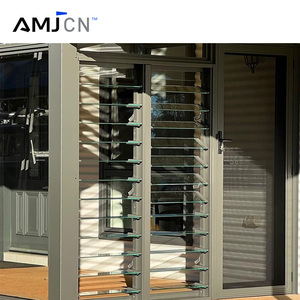
AMJ Custom Manufacturer Louvered Windows Aluminum Frame Adjustable Glass Louver Windows Aluminium Louvre Shutter Window
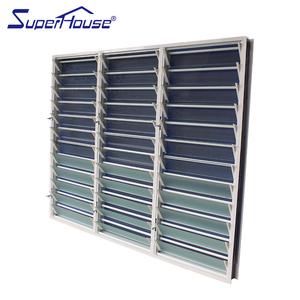
Custom Jalousie Blinds Louvers Aluminium Aluminum Frame Glass Fixed Louver Louvre windows for House
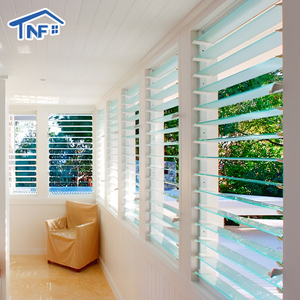
Hurricane Proof Adjustable Vertical NFRC AS2047 Venetian Blinds Aluminium DOUBLE LOW-E Tempered Glass SHUTTERS Louvre Window
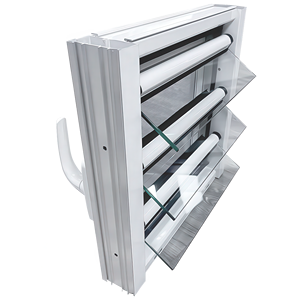
Aluminium Glass Louvers Window Aluminium Louvre Windows Modern Jalousie Window
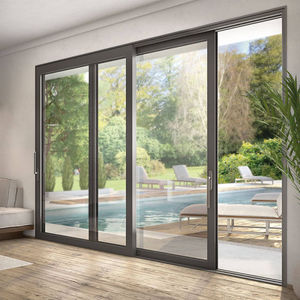
Florida Miami-Dade Approved Wholesale Bulk Luxury Manufacturing Aluminum Double Glass Sliding Entry Sliding Door Others Doors
Architectural Engineering of OEM Aluminum Louver Windows
A comprehensive guide for developers, facade engineers, and B2B buyers on structural thermal breaks, aerodynamic airflow dynamics, and weatherproofing standards.
1. Extrusion Metallurgy and Structural Integrity (6063-T5 Alloy)
At the core of high-performance custom OEM louver windows is precision alloy selection. Our manufacturing plant utilizes primary-grade 6063-T5 aluminum extrusions featuring nominal wall thicknesses ranging from 1.4 mm to 3.0 mm, optimized for large-span facade integration. T5 heat-treatment aging ensures maximum yield strength (≥ 110 MPa) and tensile strength (≥ 150 MPa), allowing louver blades and structural frames to withstand extreme wind pressures in coastal and high-rise applications without permanent deflection.
2. Thermal Break Mechanics & Energy Efficiency
Modern building envelope regulations (such as NFRC and European EN ISO 10077 standards) demand stringent thermal performance. OEM aluminum louver windows engineered by our facility incorporate dual structural polyamide (PA66 with 25% glass fiber reinforcement) thermal break strips. This mechanical barrier isolates external ambient temperatures from internal living spaces, preventing thermal bridging, reducing U-values to as low as 1.6 W/m²·K when paired with double Low-E insulated glass blades, and eliminating condensation risks in humid tropical or cold temperate environments.
3. Airflow Aerodynamics & Water Tightness Engineering
Louver systems must balance maximum natural ventilation with zero water penetration during torrential rainstorms. Utilizing advanced Computational Fluid Dynamics (CFD) modeling, our louver blade geometry is pitched at optimal aerodynamic angles (typically 0° to 90° fully adjustable). Integrated dual-durometer EPDM rubber gaskets and concealed internal condensation drainage channels divert driving rain outward, reaching water resistance thresholds exceeding 450 Pa under ASTM E331 and AS4420 testing protocols.
Hurricane Impact Resistance
Engineered for Florida Miami-Dade NOA compliance. Heavy-duty aluminum structural louvers and laminated impact glass blades withstand debris impact up to 140 mph wind velocity.
Automated Actuation
Seamlessly pair louver assemblies with motorized rack-and-pinion actuators, 24V DC quiet motors, and smart building management systems (BMS) for automated climate and air quality control.
AAMA Surface Finishes
Available in Qualicoat Class 2 fluorocarbon (PVDF) spray coating or anodized finishes exceeding AAMA 2605 requirements. Provides 25+ years of resistance against UV degradation and salt spray corrosion.
OEM Customization & Technical Capabilities
Compare performance parameters across our primary OEM aluminum louver window configurations to match project architectural requirements.
| Louver Category | Blade Material | Drive Mechanism | Air Water Sealing | Max Wind Load | Target Applications |
|---|---|---|---|---|---|
| Glass Blade Jalousies | 6mm - 12mm Toughened / Low-E / Laminated | Manual Chain Winder / Motorized Actuator | EPDM Dual Bulb Gaskets | 3.5 kPa (AS2047) | Resorts, Luxury Villas, Residential Towers |
| Extruded Aerofoil Louvers | 6063-T5 Heavy-Duty Extruded Aluminum | Hand Crank / Lever / Pneumatic Cylinder | Interlocking Blade Gaskets | 5.0 kPa (Miami-Dade Approved) | Commercial Facades, Power Plants, Sunshades |
| Thermal Break Louver Units | Aluminum Profile + PA66 Insulation Strip | Concealed Electric Linear Actuator | Multi-Barrier Pressure Equalized | 4.0 kPa (EN 12210) | Passive Houses, Cold Climate Commercial Envelope |
| Acoustic Louver Assemblies | Perforated Aluminum with Rockwool Fill | Fixed / Manual Adjustable Louvre | Acoustic Compression Seals | 3.0 kPa (ISO 10140) | HVAC Enclosures, Industrial Generators, Data Centers |
Global Procurement Trends in Aluminum Louver Manufacturing
Strategic insights into sustainability standards, smart fenestration technologies, and supply chain optimized OEM sourcing.
1. Decarbonization and Low-Carbon Recycled Extrusions
Global developers are enforcing net-zero carbon building certifications (LEED, BREEAM, EDGE). Sourcing trends demonstrate a major shift toward aluminum louvers manufactured with high post-consumer recycled content (>75% recycled billet) and smelted using hydro-electric power. OEMs capable of producing EPD (Environmental Product Declaration) certified profiles gain a major competitive advantage in European and North American municipal bids.
2. Integration of BIPV and Smart Sensor Automation
The next decade will see the rapid adoption of Building Integrated Photovoltaic (BIPV) louver blades, where adjustable solar glass blades harvest photovoltaic energy while actively shading exterior glass curtain walls. Furthermore, integration with IoT-driven rain sensors, wind anemometers, and CO2 indoor monitoring systems automates louver position to maximize natural cross-ventilation, reducing HVAC power consumption by up to 35% annually.
3. Factory DfMA (Design for Manufacture & Assembly)
To reduce escalating on-site installation labor costs worldwide, architectural procurement is pivoting toward modular unitized louver frames. OEM factories now pre-assemble sub-frames, integrate blade drive mechanisms, and factory-test water drainage before unitized crating. This DfMA workflow slashes jobsite installation schedules by up to 60%.
4. Coastal Climate Resilience & Strict Compliance
With changing severe weather dynamics, building codes in hurricane-prone zones (such as Florida, the Caribbean, Northern Australia, and Southeast Asia) mandate higher structural load capacities. Procurement teams prioritize factories with certified in-house static wind load testing rigs, cyclic rain chambers, and audited ISO 9001 quality control management systems.
Frequently Asked Questions by OEM & B2B Buyers
Essential technical, compliance, and supply chain answers for architects, general contractors, and hardware importers.
• Architectural elevation drawings or window schedules with rough opening dimensions.
• Louver type selection (Glass blade jalousie, extruded aluminum aerofoil blade, or fixed ventilation louvers).
• Surface treatment preferences (RAL Powder Coating, Anodized, PVDF) and color code.
• Performance requirements: target wind pressure load (Pa), U-value, or sound attenuation (STC rating).
Why Direct OEM Factory Sourcing Delivers Strategic Advantage
Streamline your global project pipeline with our integrated extrusion, CNC fabrication, and rigorous quality assurance infrastructure.
Advanced CNC Precision Fabrication
Our plant operates double-head automatic cutting centers and 5-axis CNC machining stations. Aluminum profiles are milled, drilled, and notch-milled with tolerances within ±0.2mm, ensuring flawless corner crimping and air-tight gasket seals.
Documented Quality Assurance (QA/QC)
Every louver window batch undergoes rigorous internal inspection before packing: coating thickness gauge checks, gloss checks, air pressure leakage testing, drive mechanism cycle durability tests (>10,000 operational cycles), and fitments checks against CAD shop drawings.
Dedicated Project Support
From preliminary schematic design reviews and wind load structural calculations to detailed shop drawing sign-offs and installation technical support, our senior fenestration engineers act as an extension of your technical team.
Partner With a Leading OEM Louver Factory
Send your architectural plans, window schedules, or custom louver specifications today for an engineering review and factory-direct commercial proposal.