Featured OEM Aluminum Security Doors & Entrance Systems
Direct factory supply of high-end cast aluminum security doors, thermal break villa front doors, and customized anti-theft architectural entrance solutions tailored for global importers and B2B projects.
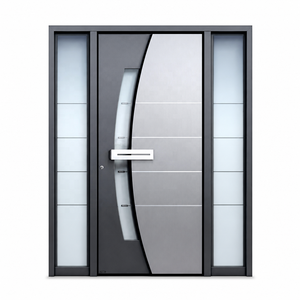
Modern Aluminum Security Entry Door System Multi-Point Locking Exterior Front Entrance Door with Privacy Sidelights Graphite
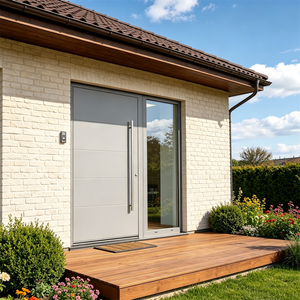
OEM/ODM Customized Modern Design Luxury Soundproof Aluminum Glass Villa House Front Entry Exterior Swing Security Entrance Door
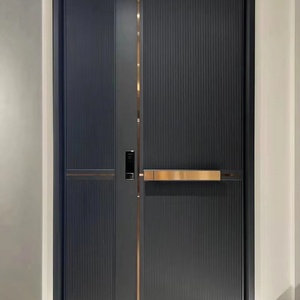
FoShan High-End Cast Aluminum Security Anti-Theft Villa Entry Door Stainless Steel Entrance Door of a Self-built House
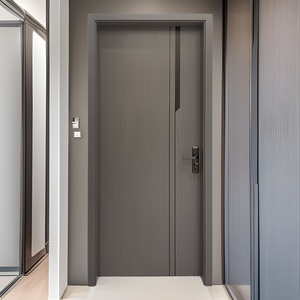
Foshan Aluminum Alloy Anti-Theft Bedroom Door Household Soundproof Environmentally Friendly All-Aluminum Interior Study Door
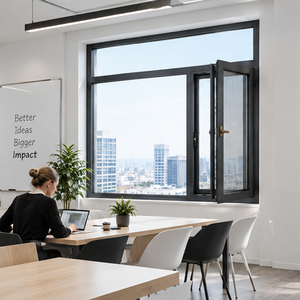
Custom Architectural Aluminum Doors And Windows With Energy Efficient Glass For Commercial Residential Hospitality Projects
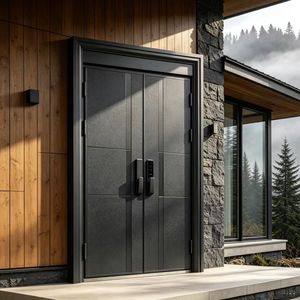
High-End Aluminum Armored Security Door Modern Minimalist Villa Front Entry Thickened Anti-Bullet Anti-Pry Waterproof Hotel
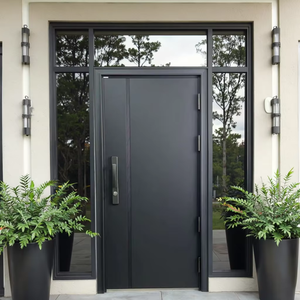
Exterior Gate Door External Door Security Entry Front Door for House External Entrance Exterior Entrance Outdoor Security
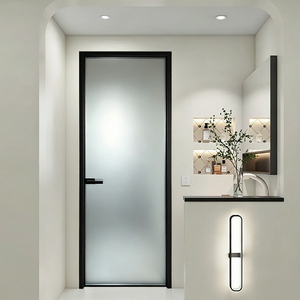
Customizable Aluminum Frame Glass Single Door Sanded Frosted Glass Bathroom Door for House
Custom OEM Aluminum Security Doors: Structural Metallurgy & Manufacturing Standards
In modern high-end architectural design, entrance doors have evolved far beyond basic barrier functions. Today's commercial developments, luxury residential villas, and hospitality projects demand structural systems that synthesize perimeter security, extreme thermal efficiency, atmospheric weatherproofing, and refined aesthetic sightlines. As a premier source for global architectural hardware, custom aluminum security door manufacturing represents a sophisticated intersection of metallurgical precision, multi-point lock engineering, and custom OEM/ODM fabrication capabilities.
When procurement officers, architectural specifiers, and real estate developers evaluate primary entrance systems, selecting the appropriate structural alloy and manufacturing methodology directly dictates long-term performance. Unlike conventional hollow steel or soft composite doors, industrial-grade custom aluminum security doors utilize heavy-wall extruded aluminum profiles (typically 6063-T5 or 6061-T6 temper) combined with solid high-density cast aluminum panels. This technical hybrid construction offers an unmatched strength-to-weight ratio, complete structural resistance to rust and oxidation, and exceptional dimensional stability under extreme climatic fluctuations.
1. Metallurgical Profiles: Extruded Alloy vs. Solid Cast Aluminum Panels
A crucial technical distinction in OEM manufacturing lies between standard hollow profile assemblies and high-security solid cast aluminum entrance systems. Understanding these structural dynamics enables precise procurement based on project exposure and security threat levels:
6063-T5 Extruded Frames
Features tensile strength ≥ 200 MPa and yield strength ≥ 160 MPa. Precision extruded frame profiles incorporate PA66GF25 polyamide thermal break strips to eliminate thermal bridging and maintain structural rigidity across spans up to 4 meters high.
Solid Cast Aluminum Plates
Utilizing high-pressure die-casting or sand-casting techniques, front panels are poured with 8mm to 20mm solid aluminum plate thickness. Cast aluminum eliminates weld seam vulnerabilities and provides physical impact resistance rated up to heavy ballistic and forced entry standards.
Fluorocarbon (PVDF) Coatings
Finished with multi-coat electrostatic PPG/AkzoNobel PVDF fluorocarbon baking paint. Meets Qualicoat Class 2 & 3 standards, offering 30+ years of weather resistance, high UV stability, and zero corrosion under 1000-hour neutral salt spray testing (ASTM B117).
2. Advanced Anti-Pry Lock Hardware & Multi-Point Locking Systems
Physical security in an aluminum entrance door is fundamentally governed by its locking engagement system. Standard single-latch residential locks fail under basic mechanical crowbar pressure. OEM security doors manufactured in our Foshan facilities integrate heavy-duty multi-point stainless steel locking gear systems.
These systems deploy top, bottom, and side-locking steel bolts (up to 12 distinct locking points) synchronized through a hardened transmission rod. The lock cylinder itself is enclosed in a anti-drill manganese steel housing, preventing mechanical extraction, core drilling, or foil bypassing. Furthermore, heavy-duty 3D adjustable 304/316 stainless steel friction hinges feature embedded anti-lift security pins that ensure even if external hinge knuckles are ground off, the door leaf remains firmly anchored within the aluminum frame enclosure.
Why Global Specifiers Partner with Foshan Meric Window Systems
Building upon decades of extrusion mastery and high-precision fabrication, Meric Window Systems Co., Ltd. operates state-of-the-art aluminum manufacturing plants optimized for complex international architectural requirements. We provide complete OEM/ODM engineering services—from initial CAD shop drawing verification and thermal simulation to automated CNC machining and export packaging.
Engineered for Global Compliance
Every custom aluminum security door panel undergoes strict factory acceptance testing (FAT) before container loading. Our quality management systems operate under ISO9001, verifying opening force, gasket compression air tightness, and structural deflection under high wind loads.
Technical Comparison: Security Door System Classifications
Select the ideal engineering profile based on project placement, acoustic requirements, and security threat vectors.
| Door Category | Structural Profile Material | Burglar Resistance (EN 1627) | Acoustic Rating (STC) | Thermal U-Factor (W/m²K) | Recommended B2B Application |
|---|---|---|---|---|---|
| Armored Cast Aluminum Door | 12mm Cast Aluminum Plate + 6063-T5 Core | RC4 / RC5 High Security | 42 dB - 45 dB | 1.1 - 1.4 | Luxury Villas, Executive Residences, Bank Vault Entrances |
| Thermal Break Aluminum Security Door | 3.0mm Extruded Profile + 34mm Polyamide Strip | RC3 / RC4 Medium Security | 38 dB - 42 dB | 0.85 - 1.2 | Modern Eco-Villas, Cold Climate Entrance Entrances |
| Minimalist Aluminum Glass Security Door | Ultra-Narrow Aluminum Frame + Laminated SGP Glass | RC2 / RC3 Standard Security | 35 dB - 38 dB | 1.3 - 1.6 | Commercial Frontage, Boutique Hotel Entrances, Penthouses |
| All-Aluminum Interior Security Door | 1.5mm - 2.0mm High Purity Aluminum Alloy | RC1 / RC2 Interior Grade | 30 dB - 35 dB | 1.8 - 2.2 | Master Suites, Home Offices, High-End Apartment Bedrooms |
Future Procurement Trends in OEM Custom Aluminum Entrance Systems
As global architectural design accelerates toward net-zero building envelopes and smart automation, the requirements for custom OEM security door manufacturing are undergoing rapid innovation. B2B buyers and commercial developers must align their supply chain sourcing with these three structural trends:
1. Smart Biometric & Mechatronic Access Control Integration
The traditional mechanical key is rapidly being replaced by concealed mechatronic locking systems. Modern OEM entrance doors now require factory-integrated wiring conduits and recessed mortise housings designed for 3D facial recognition scanners, hidden capacitive fingerprint sensors, RFID keycards, and IoT smart home connectivity (Matter/Zigbee protocol). Factory-level integration eliminates unsightly aftermarket lock retrofitting and guarantees weatherproof sealing around electronic lock housings.
2. Ultra-Large Scale Pivot & Heavy-Duty Oversized Entrances
Contemporary residential architecture heavily favors grand scale entranceways—often featuring single-leaf door panels exceeding 1.5 meters in width and 3.5 meters in height. Manufacturing such large-scale doors with traditional materials leads to leaf sagging and frame warping over time. Advanced aluminum engineering solves this through internal tension adjustment rods and heavy-duty floor-recessed hydraulic pivot hinges capable of supporting panel weights up to 500kg while maintaining effortless fingertip push operation.
3. Low-E Triple Glazing & SGP Structural Laminated Glass
Exterior security doors with glass sidelights or full-vision glass panes no longer compromise on safety or energy conservation. Future procurement shifts heavily toward SentryGlas® (SGP) ionoplast interlayers combined with double or triple Low-E insulated glass units (IGU) filled with 90%+ Argon gas. SGP laminated glass remains rigid even when broken, providing extreme hurricane impact resistance (Miami-Dade compliant) and anti-intrusion protection equivalent to solid metal barriers.
Frequently Asked Questions (FAQ) for OEM Buyers
Key procurement questions answered by our senior aluminum structural engineers.
To prepare an accurate structural quotation and CAD shop drawings, our engineering team requires: 1) Structural wall opening dimensions (rough opening size); 2) Handing/swing direction (inward/outward, left/right); 3) Desired profile alloy specification & thermal break strip requirements; 4) Lock mechanism preference (biometric smart lock, multi-point mechanical); and 5) Glass build-up specifications (e.g., 6mm Low-E + 12Ar + 6mm Tempered). Drawings in DWG, DXF, or PDF formats are accepted.
Aluminum exhibits naturally superior corrosion resistance compared to steel. When exposed to saline coastal air, steel doors eventually oxidize along welded seams and lock cutouts, leading to structural delamination. Cast aluminum and extruded 6063-T5 aluminum form a natural oxide layer, which is further reinforced by multi-coat PVDF fluorocarbon finishes. Under neutral salt spray tests (ASTM B117), our aluminum security doors withstand over 1,000 continuous hours without blistering or rusting.
Our OEM aluminum security door systems are engineered and tested to international forced-entry standards, including European EN 1627 Resistance Classes RC2, RC3, and RC4. High-security armored models incorporate multi-point interlocking steel bolts, anti-drill cylinder shields, anti-pry frame lips, and heavy-duty 3D adjustable security hinges that prevent leverage attacks with crowbars, power drills, and mechanical tools.
Yes. We utilize a specialized dual-chamber thermal break frame structure where the outer cast aluminum decorative plate is structurally isolated from the interior frame using high-strength PA66GF25 (25% glass fiber reinforced polyamide) insulation strips. This breaks the conductive heat path, preventing indoor heat loss in cold climates and reducing solar heat gain in tropical climates while preventing interior frame condensation.
Every door assembly undergoes a 4-layer export packaging protocol: 1) Protective PE surface film covering all aluminum finishes; 2) High-density EPE foam corner guards and perimeter wrapping; 3) Heavy-duty corrugated cardboard boxing; and 4) Custom fumigation-free solid plywood crating reinforced with steel bands. Crates are marked to correspond exactly with your project window/door schedule for rapid site distribution.
Following CAD drawing approval and deposit confirmation, standard OEM production lead time is typically 25 to 35 calendar days depending on color finish complexity (e.g., custom RAL powder coat vs. specialized anodizing or woodgrain heat transfer) and glass customization. Prototype or sample units can be expedited upon engineering review.
Partner with China’s Leading OEM Aluminum Door Manufacturer
Accelerate your procurement with direct factory pricing, advanced CAD engineering support, and certified anti-theft entrance systems built for international architectural standards.