Featured Commercial & Residential Aluminium Security Systems
Direct from our OEM/ODM manufacturing facilities—engineered for heavy-duty security, wind pressure resilience, and acoustic dampening.
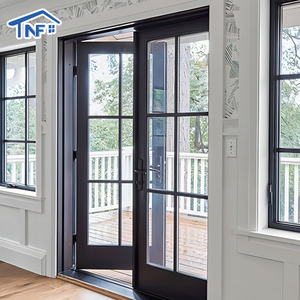
15 Year Warranty Tempered Glass Casement Door Balcony Apartment Mall Aluminum French Door
Get Catalog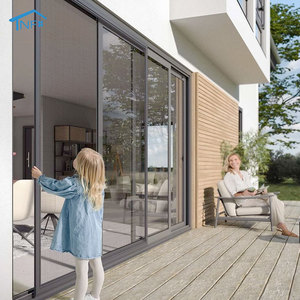
Aluminum Alloy Folding Screen NF Magnetic Roller Blind Stainless Steel Insect Control Sliding Doors
Get Catalog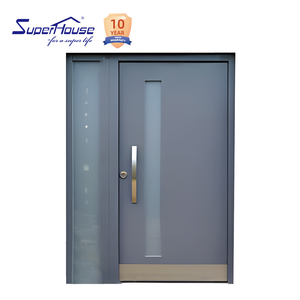
Luxury Aluminum Hurricane Impact Front Entry Door NOA FPA AAMA NFRC Certified High Wind Resistant Door
Get Catalog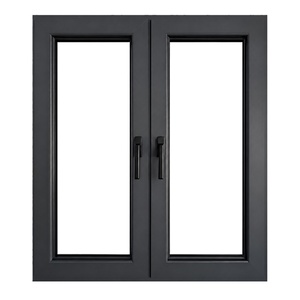
European Dark Grey Aluminium System Casement Window Double Pane With Grill for Sunroom and Patio
Get Catalog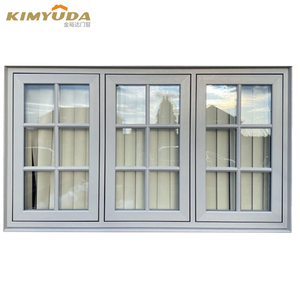
Hurricane Impact Australian Standard Large Glass Aluminum Door Windows With Built Blinds
Get Catalog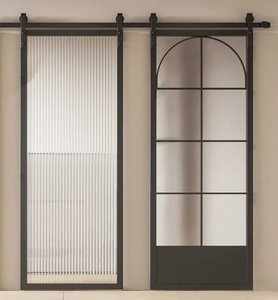
High-end European Custom Aluminum Glass Sliding Barn Door Modern Wall-mounted Style
Get Catalog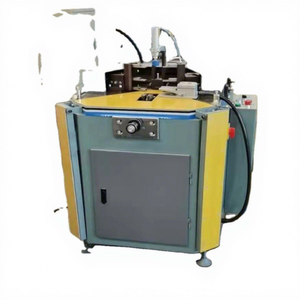
SHANGDONG LZJ--160 Aluminum Door and Window Corner Combining Making Machine
Get Catalog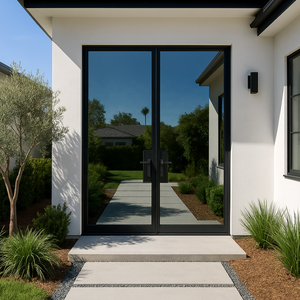
Customized Aluminum Double Glass Swing Doors Heavy Duty Soundproof Security Entrance Door
Get CatalogEngineering Whitepaper: OEM/ODM Architectural Aluminium Burglar Doors
Technical evaluation standards, structural metallurgy, thermal performance, and global supply chain dynamics for commercial developers and specifiers.
1. Structural Superiority of Custom Extruded Security Systems
In high-end residential, hotel, and commercial development, standard security doors often present a severe compromise between security aesthetics and thermal efficiency. Modern architectural engineering has shifted toward OEM/ODM aluminium burglar doors utilizing 6063-T5 high-tensile alloy profiles. Unlike conventional hollow steel doors that are prone to localized corrosion and thermal bridging, extruded aluminium door assemblies incorporate multi-chambered structural geometry combined with PA66GF25 polyamide thermal break strips.
By working directly with dedicated OEM/ODM aluminium burglar door factories, structural engineers and developers can tailor profile wall thicknesses (ranging from 2.0mm to 3.0mm primary load-bearing walls) to withstand extreme wind pressures (exceeding 5000 Pa) while satisfying rigorous European forced-entry burglary standards (EN 1627 RC2 to RC4 ratings).
| Performance Indicator | Standard Commercial Security Doors | Meric Engineered OEM/ODM Aluminium Burglar Doors | Compliance / Standard |
|---|---|---|---|
| Profile Metallurgy | Recycled Low-Grade Steel / Thin Aluminium (<1.4mm) | 6063-T5 / 6060-T66 Primary Billet Aluminium | GB/T 5237 / ASTM B221 |
| Burglary Resistance Rating | Basic Single-Latch Lock (No Forced Entry Rating) | RC2 / RC3 Resistance Class (Multi-Point Pin Locks) | EN 1627 - EN 1630 |
| Thermal Transmittance (Uw) | High Thermal Bridging (Uw > 3.5 W/m²K) | Insulated PA66 Thermal Break (Uw ≤ 1.2 W/m²K) | NFRC / ISO 10077 |
| Wind Pressure Resistance | 1500 Pa – 2500 Pa | Custom Structural Design up to 5500 Pa (Wind Class 9) | AS2047 / ASTM E330 |
| Glass Specification | Single Monolithic Tempered Glass | Double/Triple Double-Laminated SGP Impact Glass | Miami-Dade NOA / CE Certified |
| Corner Joint Construction | Manual Screw Assembly / Spot Welds | LZJ-160 Automatic Hydraulic Corner Crimping | Precision Industrial CNC |
Future Procurement Trends in Aluminium Security Doors (2025–2030)
Strategic purchasing insights for architects, developers, and global distributors navigating evolving building codes and luxury market expectations.
1. Convergence of Burglar Security & Hurricane Resilience
Global procurement data reveals an increasing demand for multi-hazard door systems. Property owners no longer want separate storm shutters and security bars. The trend favors seamless, ultra-narrow aluminum frame doors that simultaneously hold Florida Miami-Dade High-Velocity Hurricane Zone (HVHZ) ratings and EN 1627 RC3 anti-burglary certification.
- SGP structural interlayers preventing glass penetration
- Heavy-duty concealed security hinges handling 400kg+ sashes
- Elimination of external security grilles in villa designs
2. Smart Access Control & IoT Lock Integration
B2B OEM clients are demanding pre-engineered hardware preparations within profile cavities. Future-ready aluminum burglar door factory production lines must incorporate CNC milling for motorized multi-point locks, biometric readers, facial recognition modules, and zero-trust perimeter network connections.
- Concealed electrical wire raceways inside thermal breaks
- Automated locking bolts engaging upon door closure
- Compatibility with GU-Secury Automatic & ROTO E-Tec systems
3. Minimalist Sightlines with Heavy-Duty Security
Historically, burglar doors were thick, bulky, and visually intrusive. Modern architectural trends demand ultra-narrow interlocks (down to 20mm visible width) on sliding burglar doors and concealed sashes on swing doors without sacrificing structural integrity.
- Concealed locking points hidden inside profile grooves
- Flush sill tracks integrated into interior flooring
- Maximum glass-to-frame ratio for panoramic daylighting
Engineering Innovations in OEM/ODM Aluminium Burglar Door Production
How state-of-the-art aluminum door factories achieve extreme mechanical strength, weather resistance, and thermal efficiency.
Structural Metallurgy & Hydraulic Corner Crimping
The structural vulnerability of a security door almost always lies at the corners and the lock jamb. Standard factory operations rely on simple screw connectors or manual corner cleats, which yield under crowbar leverage. Meric's advanced OEM/ODM manufacturing facility utilizes heavy-duty machinery such as the SHANGDONG LZJ-160 Aluminum Door Corner Combining Machine.
By applying synchronized hydraulic pressure alongside injected dual-component structural epoxy glue into corner cavities, the frame corner transforms into a monolithic joint with zero flex. This structural rigidity prevents frame racking during forced entry attempts and maintains perfect airtight sealing over decades of operation.
Advanced Thermal Isolation & Surface Finishes
Metal security doors can cause condensation and high thermal energy loss if not engineered with precision thermal breaks. Our custom profiles feature polyamide PA66GF25 structural insulation bars filled with high-density polyurethane foam. For coastal applications exposed to high salt spray, profiles undergo automated surface anodizing (exceeding 15 microns oxide thickness) or AkzoNobel fluorocarbon (PVDF) powder coating, guaranteed against cracking, flaking, or chalking for up to 25 years.
Key Technical Benchmarks
Multi-point mushroom head locking cams and steel anti-lift pins interlock directly into reinforced frame keeps.
Internal glass glazing beads prevent intruder removal of glass panes from the exterior side of the building.
Continuous automotive-grade EPDM rubber gaskets ensure air permeability class 4 and water tightness class 9A.
Optional bulletproof glass configurations (EN 1063 BR4-BR7) engineered seamlessly within ultra-narrow frames.
Enterprise Advantages: Meric Window Systems Manufacturing Hub
Why architects, structural engineers, and global importers partner with our factory for custom OEM/ODM security door projects.
Full OEM/ODM Customization Capabilities
We provide complete architectural drawing reviews, CAD/BIM modeling, shop drawing sign-offs, and custom die extrusion development tailored to your regional structural requirements and design aesthetic.
Industrial CNC Machining Precision
Our workshop houses digital high-speed CNC cutting centers, automatic corner assembly equipment (LZJ-160), and precision milling units to ensure exact tolerances (within ±0.5mm) across all door sashes.
100% Pre-Shipment Quality Gate Inspection
Every fabricated door assembly undergoes strict quality control checks including diagonal measurement verification, hardware smooth operation testing, gasket seal pressure check, and protective export crating.
Ready to Source High-Security Aluminium Doors Direct from Factory?
Whether you need custom profile die design for a commercial tower or a certified hurricane-burglar door package for luxury residential villas, our technical engineering team will review your window schedule and provide shop drawings within 48 hours.
Get CatalogFrequently Asked Questions (FAQ) for Global B2B Buyers
Detailed engineering and commercial answers for architects, procurement directors, and general contractors.
What distinguishes an aluminium burglar door from a standard commercial entrance door?
An aluminium burglar door is specifically engineered with reinforced 6063-T5 profile walls (typically 2.0mm to 3.0mm thick), internal steel anti-pry reinforcements, heavy-duty multi-point locking hardware (engaging at top, middle, and bottom jambs), and burglar-resistant glass pockets. Standard commercial doors generally use thinner profiles with basic single-latch locks designed only for basic privacy, lacking forced entry resistance certifications like EN 1627 RC2/RC3.
Can your OEM/ODM factory customize security doors according to local wind load and hurricane codes?
Yes. Our engineering department conducts structural wind load calculations based on your project location, building height, and site wind pressure requirements. We manufacture specialized hurricane impact security doors compliant with ASTM E1886/E1996 and Florida Miami-Dade NOA standards, utilizing double-laminated glass with SGP (SentryGlas) structural interlayers to resist severe debris impacts and wind pressures up to 5500 Pa.
What thermal break technology is integrated into your aluminium security doors?
We utilize high-grade polyamide PA66GF25 (25% glass fiber reinforced) thermal break strips inserted between the interior and exterior aluminum profile extrusions. This breaks the conductive thermal bridge, drastically reducing heat transfer. Combined with double or triple insulated glass units (argon-filled, Low-E coatings), our security door systems achieve thermal transmittance values (Uw) as low as 1.2 W/m²K, making them suitable for energy-conscious passive house projects.
What is the typical production lead time for custom OEM/ODM orders?
Standard fabrication lead time for custom architectural orders is typically 25 to 35 calendar days following shop drawing approval and color sample sign-off. For specialized custom profile extrusions requiring new die creation, an additional 10 to 15 days is allocated for tooling, testing, and sample extrusion verification prior to mass production.
How are finished doors packaged and protected for international ocean shipping?
All door frames and glass units undergo multi-layer export protective packaging. Surface profiles are wrapped with protective non-scratch PE film, corner junctions are shielded with reinforced foam edge guards, and entire assemblies are encased in shrink wrap before being loaded into custom steel-reinforced OSB wooden crates or heavy-duty A-frame steel racks designed for seamless forklift handling and container transport.
Do you support third-party hardware integration (e.g., European smart lock systems)?
Absolutely. Our digital CNC machining centers can be calibrated to mill lock gear cutouts, hinge preparation slots, and wire access channels tailored to your preferred hardware brands such as GU, ROTO, HOPPE, Dormakaba, or customized electronic smart locks. You can provide hardware specification sheets or send hardware samples to our factory for pre-installation and testing.
What certifications and test reports do you provide for project submittals?
We provide comprehensive technical submittal packages including factory raw material mill certificates for 6063-T5 alloy, PA66 thermal break test data, glass acoustic test reports (Rw), NFRC thermal performance ratings, and EN 1627 forced-entry security documentation. Project-specific independent laboratory testing can also be arranged upon request during the pre-production engineering phase.
Request Full Product Catalog & Engineering Specifications
Contact our OEM/ODM technical department to access comprehensive product CAD details, test reports, and factory-direct pricing for your project window & door schedule.
Get Catalog