Featured Architectural Systems & Custom Glazing
Engineered for structural durability, extreme weatherproofing, and thermal insulation across luxury residential and commercial projects.
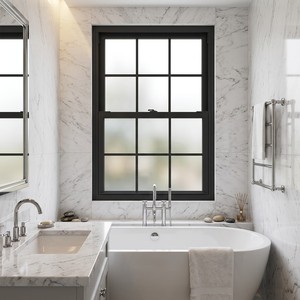
Modern Single Hung Aluminium Alloy Window Small Size Vertical Slide Design New Construction Waterproof Hung Windows for Home
Get a Quote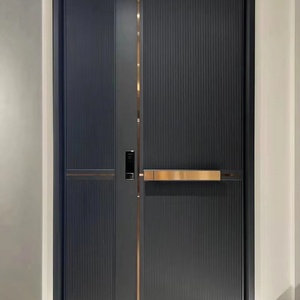
FoShan High-End Cast Aluminum Security Anti-Theft Villa Entry Door Stainless Steel Entrance Door of a Self-built House
Get a Quote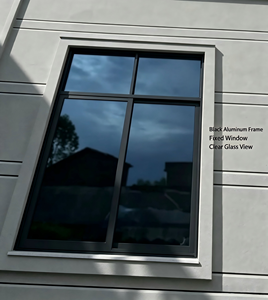
Heavy Duty Aluminium Sliding Window Storm Proof Cyclone Resistant High Water Tightness Coastal Villa Resort Project Wholesale
Get a Quote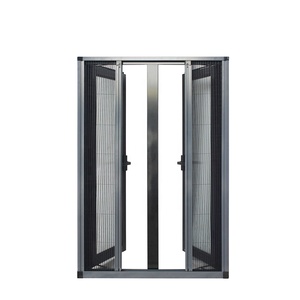
Miami Florida Impact Windows and Doors Aluminum Glass Hinged Doors with Screen
Get a Quote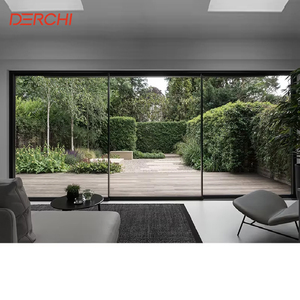
DERCHI Double Glazed Tempered Glass Floor To Ceiling windows And Sliding Doors For Balcony Patio Aluminium Terrace Sliding Door
Get a Quote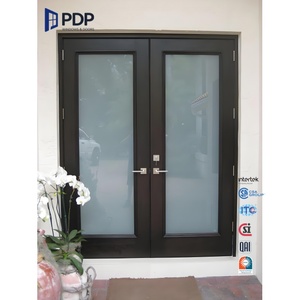
Modern Aluminum Double Leaf Door 90mm PDP Front Main Door with Fiberglass Screen Netting for Outdoor Hotels Hospitals Warehouses
Get a Quote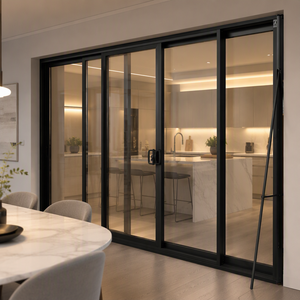
Customized Size Sliding Doors Double Glass Aluminum Doors Heat Insulation Energy Efficient Balcony Sliding Patio Door for Sale
Get a Quote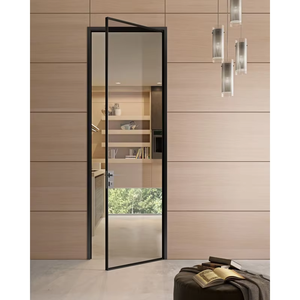
Modern French Design Narrow Frame Aluminum Glass Hinged Casement Door For Interior Kitchen Bedroom Exterior Patio Bathroom Mesh
Get a Quote1. Architectural Kinematics & Structural Dynamics of Aluminium Tilt & Turn Systems
Aluminium Tilt & Turn windows represent the benchmark of European fenestration engineering, delivering a dual-action mechanical system within a single operable sash. Managed via a perimeter multi-point locking gear-drive system, a single ergonomic handle controls two distinct kinetic functions:
Turn Mode (90° Inward Swing)
Rotating the handle horizontally disengages perimeter locking pins along the top stay arm, allowing the sash to open completely inward on side hinges. This provides 100% full-aperture ventilation, unobstructed emergency egress, and effortless exterior glass cleaning from within the interior room space.
Tilt Mode (15° Inward Top Tilt)
Rotating the handle 180° upward engages a bottom corner pivot mechanism while tilting the top of the sash inward by approximately 100mm to 150mm. Air circulates via natural convection—drawing cool air through the sides and expelling warm air through the top aperture—without creating direct, harsh drafts.
Anti-Burglary Multi-Point Locking
When turned downward (0°), cylindrical mushroom heads lock firmly into hardened steel keeps around the entire frame perimeter. This seals the continuous triple EPDM weatherstripping and forms a robust physical barrier resistant to forced entry, meeting EN 1627 RC2 / RC3 burglar resistance standards.
2. Thermal Physics, Isobaric Cavities, and Polyamide Thermal Break Technology
Uninsulated aluminium profiles possess high thermal conductivity (K-value ~ 200 W/m·K), making thermal bridging a major challenge in energy-efficient building design. To eliminate heat transfer, our OEM/ODM custom profiles incorporate structural Polyamide PA66 GF25 (25% Glass Fiber reinforced) thermal break strips inserted between the interior and exterior extrusion chambers.
The glass fiber reinforcement matches the linear coefficient of thermal expansion of the aluminium alloy (α ≈ 2.3 × 10⁻⁵/K), preventing structural shear stress, delamination, or seal failure under severe freeze-thaw cycles (-40°C to +80°C).
| Glazing & Frame Specification | Overall U-Factor (Uw) | Acoustic STC Rating | Solar Heat Gain (SHGC) | Primary Climate Application |
|---|---|---|---|---|
| Double Glazed (6mm Low-E + 12Ar + 6mm Toughened) | 1.4 - 1.6 W/m²K | 35 - 38 dB | 0.35 - 0.45 | Temperate & Subtropical Zones |
| Triple Glazed (6mm Low-E + 12Ar + 6mm + 12Ar + 6mm) | 0.8 - 1.1 W/m²K | 40 - 42 dB | 0.25 - 0.32 | Cold / Arctic Climates & Passive House |
| Laminated Acoustic (6mm Low-E + 16Ar + 6.76mm PVB Acoustic) | 1.2 - 1.4 W/m²K | 44 - 48 dB | 0.30 - 0.38 | Urban Commercial Towers & Airport Zones |
| Hurricane Impact (8mm Toughened + 1.52mm SGP + 8mm Low-E) | 1.3 - 1.5 W/m²K | 42 - 45 dB | 0.28 - 0.35 | Coastal Cyclone / Florida HVHZ Zones |
* All values are verified through dynamic pressure chamber simulation according to ISO 10077-1 and NFRC 100/200 test procedures.
Tailored OEM & ODM Customization Scope
We provide full-spectrum engineering for architectural project specifications, hardware integration, surface treatment, and custom extrusions.
Custom Extrusion & Profile Depths
Choose from 60mm, 70mm, 80mm, 90mm, and 110mm frame depths. We engineer customized structural profile dies, ultra-narrow sightline interlocks (as narrow as 20mm visible width), flush threshold tracks, and concealed sash configurations based on shop drawings.
Surface Finishes & Coatings
Architectural surface treatments compliant with Qualicoat and AAMA standards:
- Powder Coating (AAMA 2604/2605): AkzoNobel / PPG fluorocarbon finishes with 25-year anti-fading warranties.
- Anodizing: 15-25 micron hard-anodized oxide layer resistant to salt spray corrosion.
- Italian Woodgrain Transfer: Heat-transfer textured timber finish for authentic rustic aesthetics.
Hardware System Integration
Factory integration of premium European drive rod systems, concealed hinges, heavy-duty load rollers (up to 400kg per sash), and friction stays. Fully compatible with Siegenia, Roto Frank, HOPO, CMECH, and custom OEM co-branded hardware components.
3. Global Sourcing Trends & Future Trajectories in Fenestration Procurement
As international energy codes tighten and modern architecture shifts toward minimalist aesthetic lines, global B2B buyers, estate developers, and façade engineers must adapt to evolving manufacturing standards. The key trends reshaping aluminium tilt and turn procurement include:
A. High-Rise Structural Impact & HVHZ Certification
Coastal developments across Florida, the Caribbean, East Asia, and Australia increasingly demand hurricane-impact certified window systems. Modern tilt & turn profiles now integrate laminated SentryGlas® (SGP) interlayers and heavy-gauge steel reinforcement inserts capable of enduring ASTM E1996 large missile impact testing and cyclic wind pressures up to 140 PSF.
B. Vacuum Insulated Glass (VIG) Integration
With Passive House standards (PHI) gaining global traction, window manufacturers are moving from bulky triple-pane units to thin Vacuum Insulated Glass (VIG). VIG units deliver a U-factor as low as 0.60 W/m²K with a profile thickness of only 8.3mm, dramatically reducing total sash weight while maximizing daylight transmission.
C. Smart Building & Motorized Actuation
Commercial building management systems (BMS) now require automated tilt ventilation tied to indoor air quality (IAQ) sensors, wind-rain weather detectors, and HVAC economizer controls. OEM manufacturers must offer concealed chain actuators capable of motorized 24V/230V tilt operation seamlessly integrated into smart home protocols (KNX, Zigbee, BacNet).
D. Low-Carbon Recycled Aluminium Billets
Environmental, Social, and Governance (ESG) criteria are driving demand for certified low-carbon aluminium extrusions produced using hydroelectric power or high ratios of post-consumer scrap (≤ 4.0 kg CO₂/kg Al). Sourcing low-carbon profiles helps developers achieve LEED Gold/Platinum and BREEAM certifications.
OEM/ODM Project Execution Workflow
From architectural CAD drawing review to crated container delivery, our engineered manufacturing pipeline ensures zero project delays and exact dimensional tolerances.
CAD & BIM Review
Evaluation of architectural elevations, window schedules, local wind load specs, and wall opening details.
Shop Drawing Approval
Issuance of 1:1 scale shop drawings detailing profile cross-sections, thermal break placement, glass build-up, and anchoring points.
Precision Fabrication
5-Axis CNC profile cutting, automatic corner-crimping with dual-component adhesive injection, and EPDM gasket insertion.
Factory QA Testing
100% inspection of operating force, frame squareness, corner seal air-tightness, dynamic water spraying, and coating thickness.
Export Packaging
Protective peel-off surface film, foam corner protectors, vacuum-sealed plastic wrapping, and fully enclosed plywood/steel crates.
Frequently Asked Questions (FAQ) for Global Buyers
Technical clarity on thermal engineering, export logistics, structural compliance, and minimum order requirements.
- Architectural window schedules or floor plans indicating opening dimensions and quantities.
- Opening configuration preferences (e.g., Tilt & Turn, Lift & Slide, Fixed Curtain Wall).
- Glass performance criteria (e.g., Double/Triple IGU, Low-E coating, tinting, acoustic PVB, hurricane impact).
- Surface finish requirement (RAL Powder Coating, Anodized, PVDF) and project location (for wind load calculation).