High-Performance OEM/ODM Aluminum Window & Door Systems
As a premier OEM/ODM manufacturer, we engineer structural aluminum-clad window profiles, minimal sightline sliding doors, hurricane-rated impact glazing, and custom thermal break assemblies tailored for developers, architects, and international importers.
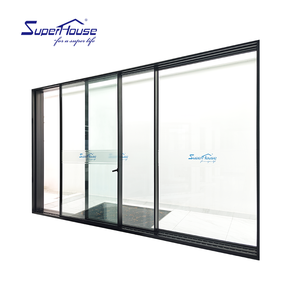
Ultra Narrow Frame Aluminum Sliding Door Double Glass Soundproof Waterproof Slim Frame Balcony Living Room Door
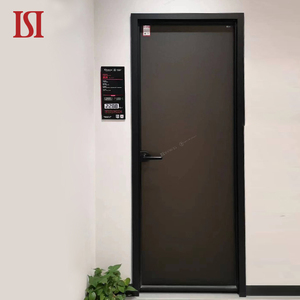
Top Brand Modern Simple Aluminum Swing Door Black Aluminum Frame High Quality Alloy Material For Bedroom Custom Minimalist
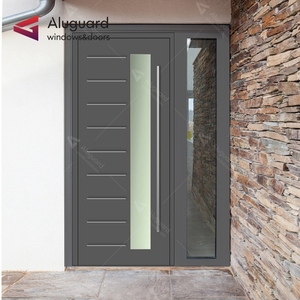
Luxury Minimalist Style Villa Exterior Home Entrance Main Door Aluminium Pivot Fibreglass Entry Door
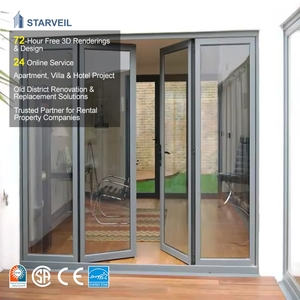
European Aluminum Doors Interior Aluminium Steel Framed Swing Glass Door Crittall Style Wrought Iron Entrance French Doors
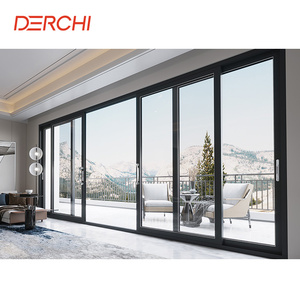
In Stock 16ft*8ft Hurricane Proof Impact Balcony Patio Slide Glass Door Aluminum Sliding Glass Door For Exterior
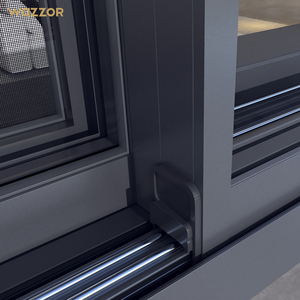
Wazzor Hotel Hurricane Impact Window Balcony Soundproof Double Glass Aluminum Windows Triple Glaze Black Aluminum Sliding Window
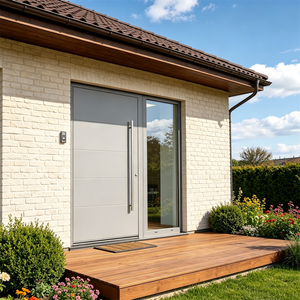
OEM/ODM Customized Modern Design Luxury Soundproof Aluminum Glass Villa House Front Entry Exterior Swing Security Entrance Door
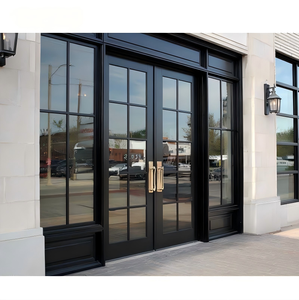
XIYATECH Modern Commercial Storefront Custom Customized Aluminum Alloy Soundproof Glass Automatic Swing Doors
We specialize in structural aluminum extrusion engineering, thermal break technology, and fully customized OEM/ODM fenestration solutions. From shop drawing calculations to containerized international logistics, we deliver certified quality.
Send an Inquiry- High-tensile 6063-T5/T6 primary aluminum profiles
- PA66GF25 glass-fiber reinforced thermal insulation strips
- Double and triple insulated Low-E tempered glass units
- Rigorous wind load, water tightness & air infiltration testing
- Export-ready reinforced steel and wooden crate packaging
OEM/ODM Customization Capabilities
Discover our technical core competencies in modern window replacement engineering, structural frame cladding, and energy-efficient building envelope design.
Precision Profile Extrusion
Custom aluminum extrusion dies manufactured to strict wall thickness tolerances (GB/T 5237 / EN 755), providing structural integrity for high-rise facades and expansive opening spans.
Advanced Thermal Breaks
Integration of multi-cavity Polyamide PA66GF25 thermal barrier strips to eliminate thermal bridging, achieving low U-factors compliant with stringent ENERGY STAR and EU Passive House standards.
Hurricane & Security Protection
Laminated SentryGlas® (SGP) and PVB impact glass glazing coupled with heavy-duty multi-point locking hardware designed for Florida HVHZ and coastal storm-resistant applications.
Acoustic Insulation (STC/OITC)
Multi-chamber profile geometry engineered with EPDM weatherstripping gaskets and asymmetric insulated glass build-ups to achieve sound reduction up to 45 dB in urban zones.
Surface Finishing Fineness
AAMA 2605 compliant PVDF fluorocarbon coatings, Qualicoat Class 2 powder coating, and anodized surface treatments resistant to UV degradation, salt spray corrosion, and chemical abrasion.
Smart Automated Fenestration
Concealed electric motor drives, rain/wind sensor integration, and smart home automation compatibility for modern motorized sliding windows and automated curtain wall openings.
Architectural Technical White Paper: Engineering & Sourcing OEM/ODM Aluminum Clad Replacement Windows
In modern commercial and high-end residential architecture, fenestration is no longer merely a visual boundary; it serves as a critical, high-performance building envelope interface. Choosing the right OEM/ODM aluminum clad replacement windows suppliers & exporters requires an in-depth understanding of profile metallurgy, thermal dynamics, structural bonding, and global compliance testing standardizations.
1. Structural Dynamics & Profile Metallurgy (6063-T5 vs. 6060-T66)
Aluminum replacement windows rely heavily on profile wall thickness, alloy purity, and temper state. High-grade architectural extrusions utilize primary 6063-T5 or 6060-T66 aluminum alloys. The cladding profile must maintain structural rigidity under positive and negative wind pressures while facilitating precise mechanical corner joining via heavy-duty cast aluminum corner cleats combined with dual-component epoxy bonding resins.
Aluminum-clad wood or composite systems feature an outer aluminum barrier that shields internal structural elements against thermal degradation, humidity fluctuations, and UV exposure. This exterior cladding is connected via non-conductive sliding clips that allow independent thermal expansion and contraction between the exterior metal shell and the interior core frame.
System Performance Matrix & Testing Benchmarks
| Performance Indicator | Standard Aluminum Profile | Thermal Break Aluminum-Clad | Testing & Compliance Standards |
|---|---|---|---|
| Thermal Transmittance ($U_w$) | 2.8 – 3.5 W/m²K | 0.8 – 1.4 W/m²K | ISO 10077-2 / NFRC 100 |
| Sound Transmission Class (STC) | 25 – 30 dB | 38 – 48 dB | ASTM E90 / ASTM E413 |
| Wind Pressure Resistance | Class 3 (1500 Pa) | Class 5 (≥ 3000 Pa) | EN 12210 / ASTM E330 |
| Water Infiltration Sealing | 300 Pa | 700 – 1050 Pa | EN 12208 / ASTM E331 |
| Air Permeability / Leakage | Class 2 | Class 4 (≤ 0.5 m³/h.m) | EN 12207 / AAMA 101 |
2. Thermal Barrier Architecture: The Science of PA66GF25 Strips
Uninsulated aluminum exhibits high thermal conductivity ($k \approx 160 \text{ W/m}\cdot\text{K}$). To prevent massive energy transfer, our OEM/ODM replacement window profiles integrate PA66GF25 polyamide thermal break strips ($k \approx 0.3 \text{ W/m}\cdot\text{K}$). The 25% short glass-fiber reinforcement gives the strip an identical coefficient of thermal expansion to aluminum extrusions, preventing shear failure during severe seasonal temperature swings.
Furthermore, advanced profiles incorporate multi-chamber polyolefin foam insulation inserts within the break zone alongside continuous EPDM center gasket seals, establishing a pressure-equalized rain-screen drainage cavity.
3. Glazing Technology Integration: Low-E, IGU & Vacuum Glazing (VIG)
Because glass comprises up to 85% of total window surface area, glass build-up optimization is essential for total system U-factor performance:
- Double / Triple Insulated Glass Units (IGU): Constructed with soft-coat Low-E glass (such as Double Silver or Triple Silver Low-E coatings), warm-edge stainless steel/polypropylene spacers, and 90%+ Argon gas fill cavities.
- Vacuum Insulated Glass (VIG): Emerging as a major specification trend, VIG units achieve sub-0.5 W/m²K thermal performance within an ultra-thin 8.3mm profile depth by removing atmospheric air between glass panes.
- Acoustic & Security Lamination: Combining multi-layer PVB or SentryGlas® (SGP) interlayers reduces low-frequency urban traffic noise while providing structural hurricane impact ratings.
Future Sourcing & Procurement Trends in Global Fenestration (2025–2030)
As global carbon regulations tighten and architectural aesthetics favor ultra-minimalist designs, fenestration buyers and real estate developers must align with key industry trends:
Trend 1: Decarbonized Low-Carbon Primary Aluminum Sourcing
International developers targeting LEED v4.4 or BREEAM certifications increasingly mandate Environmental Product Declarations (EPD) for aluminum window frames. Sourcing low-carbon primary aluminum produced via hydroelectric smelting significantly lowers embedded carbon metrics, preparing exporters for European Carbon Border Adjustment Mechanism (CBAM) regulations.
Trend 2: Ultra-Narrow Sightlines vs. Structural Wind Load Resistance
The demand for floor-to-ceiling glass and minimal sightline interlocks (20mm to 25mm visible width) requires concealed structural steel stiffeners inside vertical mullions. OEM customization must balance delicate architectural sightlines with structural calculation reports confirming section modulus ($I_x$, $I_y$) compliance.
Trend 3: Smart Electrochromic & BIPV Window Integration
Dynamic dynamic tinting (Electrochromic glazing) and Building-Integrated Photovoltaic (BIPV) spandrel glass are transitioning from specialty items to standard specifications in commercial replacement projects. OEM factories are equipping frame profiles with internal wire-chase pathways and sealed junction box cavities.
Frequently Asked Technical Questions
Detailed technical answers to common queries raised by international contractors, architects, and fenestration buyers.
Aluminum-clad systems combine the low-maintenance, weather-resistant protection of exterior aluminum profiles with superior interior aesthetic options (such as engineered timber or thermal composite). The cladding serves as an exterior shield while the internal core enhances thermal isolation and acoustic absorption.
We supply comprehensive third-party test reports covering ASTM E283 (Air Leakage), ASTM E331 (Water Infiltration), ASTM E330 (Structural Performance), EN 12207/12208/12210, and NFRC thermal performance metrics ($U$-value, SHGC, VLT). Project-specific lab testing can be scheduled prior to mass production.
For standard stock profiles, the MOQ starts at 50 square meters. For custom OEM aluminum extrusion dies, die design and prototyping take 10 to 15 days, with mass production delivered within 25 to 35 days depending on profile surface finish requirements (e.g., PVDF, powder coating, or anodizing).
HVHZ configurations incorporate 6063-T6 heavy-wall extrusions, embedded steel structural reinforcement plates, multi-point lock hardware, and laminated impact glass with SentryGlas® (SGP) interlayers designed to withstand missile impact testing and cyclic wind pressure pressures up to +5000 Pa / -5000 Pa.
For severe marine or industrial environments, we apply AAMA 2605 compliant PVDF fluorocarbon coatings (three-coat system with 70% Kynar 500 resin) or Class I Anodizing (film thickness ≥ 18–25 microns), backed by 15-to-25-year manufacturer warranties against chalking and fading.
Finished window units undergo 5-layer protective packaging: protective PE surface film, edge corner guards, shock-absorbing foam wrapping, vacuum-sealed desiccant bags, and heavy-duty ISPM-15 compliantfumigated wooden crates or steel-framed A-racks designed for forklift unloading on job sites.
Request a Custom Technical Quotation & Engineering Review
Submit your architectural elevations, window schedules, or structural CAD/BIM specifications. Our fenestration engineers will provide shop drawings, thermal calculations, and competitive OEM/ODM factory-direct pricing within 24 hours.
Send an Inquiry