Engineered Aluminum Window & Door Systems
Explore our export-grade OEM & ODM aluminum architectural fenestration products engineered for high thermal efficiency, acoustic insulation, and wind-load resistance.
Wood Grain Finish Aluminum Casement Window Thermal Break Double Glazed Soundproof Resort Hotel Luxury Villa Project Custom
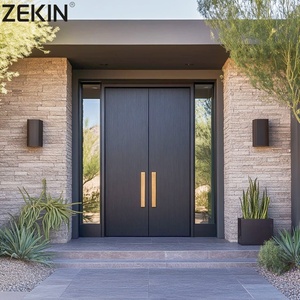
ZEKIN Aluminum Double House Front Entry Luxury Glass Door Anti-theft Front Entry Double Exterior Doors Double Entry Door
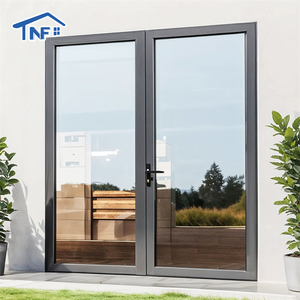
High Quality Factory Price French Doors Aluminum Casement Door Arrival French Entrance Door Exterior Glass Steel Graphic Design
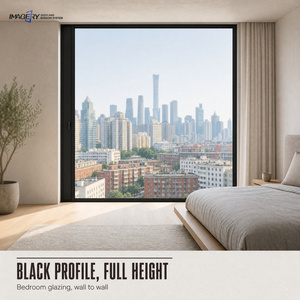
Aluminum Double Glazed Others Windows Design Aluminium Casement Micro-ventilation Window Manufacturer Burglar Proof Windows
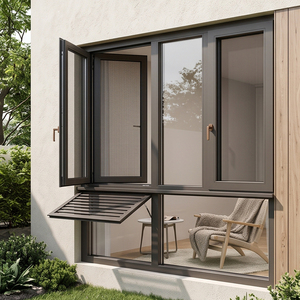
Architectural Aluminum Casement Windows Custom Dimensions Insulated Glazing Thermal Break Frames For Residential Projects
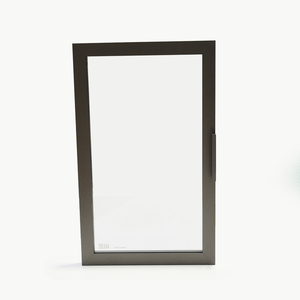
Made In Italy Air Smart 4mm Tempered Glass, Base Frame, Integrated Handle Kitchen Aluminium Glass Cabinet Door
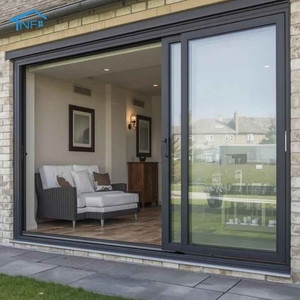
3 Tracks 4 Panels Patio Aluminum Sliding Door With Fly Screen
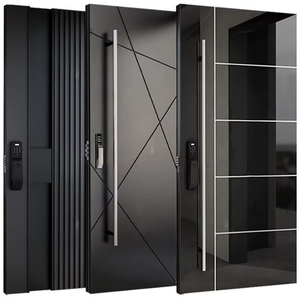
Alucasa Modern Design New Style Entrance Pivot Front Aluminum Door Luxury Villa Modern Glass Door for Houses
Comprehensive Engineering & Strategic Procurement Guide for Openable Aluminum Window Systems
In modern architectural engineering, openable aluminum window systems represent a critical intersection between structural integrity, building envelope physics, and aesthetic integration. As global building codes increasingly enforce strict energy efficiency metrics (such as Passive House standards, ASHRAE 90.1, and Title 24), project developers, architects, and commercial contractors require custom OEM/ODM aluminum window manufacturing partners capable of delivering high-precision thermal performance, structural wind-load resistance, and long-term acoustic isolation.
When procuring OEM (Original Equipment Manufacturing) and ODM (Original Design Manufacturing) fenestration systems from specialized manufacturers like Meric Window Systems Co., Ltd., procurement teams must analyze profile wall thickness, alloy chemical composition, hardware torque thresholds, double or triple Insulated Glass Unit (IGU) cavity geometry, and gasket vulcanization chemistry.
OEM/ODM Technical Specifications & Profile Performance Matrix
The selection of an openable aluminum casement, tilt-and-turn, or awning window system must be backed by quantitative engineering metrics. Below is the technical specification matrix adhered to by our automated extrusion and CNC manufacturing facilities:
| Performance Parameter | Engineering Specification | International Test Standard | OEM/ODM Customization Capability |
|---|---|---|---|
| Aluminium Profile Alloy & Temper | 6063-T5 / 6060-T66 High-Precision Extrusion | GB/T 5237 / ASTM B221 / EN 755 | Custom cross-section die creation ($I_x$, $I_y$ inertia engineering) |
| Thermal Barrier System | PA66-GF25 Polyamide Strips (24mm to 39mm depth) | EN 14024 / ISO 10077-2 | Multi-cavity insulation foam insertion (Aerogel / Polyurethane) |
| Overall Window Thermal Transmittance ($U_w$) | 0.8 to 1.4 W/m²K (Depending on Glazing Matrix) | ISO 12567-1 / NFRC 100 | Triple glazed Low-E + Argon gas cavity design |
| Air Infiltration / Permeability | Class 4 (600 Pa) / ≤ 0.1 m³/(m·h) | EN 12207 / ASTM E283 | Continuous EPDM vulcanized corner-gasket vulcanization |
| Water Tightness Resistance | Class E1050 (1050 Pa static pressure) | EN 12208 / ASTM E331 | Concealed drainage channels & pressure equalization valves |
| Wind Load Deflection Resistance | Serviceability Limit State ≥ 5.0 kPa (Class C5) | EN 12210 / ASTM E330 | Internal steel/aluminum structural mullion reinforcement |
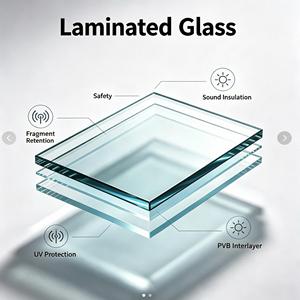
| Acoustic Sound Reduction ($R_w$) | STC 38 dB to STC 48 dB | ISO 717-1 / ASTM E90 | Asymmetric acoustic laminated glass combination (PVB / SGP) |
Our OEM and ODM capabilities allow commercial clients to request complete architectural customization. From profile geometry adjustment for flush exterior surfaces to custom-milled internal lock hardware pockets compatible with European multipoint gear systems (such as Siegenia, Roto, or Hoppe), every window component is manufactured under tight dimensional tolerances (±0.2mm).
Future Development Trends in Aluminum Openable Window Technology
As the international building envelope sector moves towards decarbonization, smart building automation, and extreme weather resilience, OEM/ODM manufacturers are pioneering several critical technology shifts:
- 1. Ultra-Narrow Sightlines with Concealed Sashes: The design trend for luxury residential and hospitality sectors leans heavily toward ultra-slim visible frame widths (under 25mm visible width). Future casement and tilt-and-turn windows integrate the sash entirely within the frame profile, maximizing clear glass surface area while retaining full thermal breaking and openability.
- 2. Integration of Vacuum Insulated Glass (VIG): Vacuum insulated glazing units offer $U$-values as low as 0.4 W/m²K at a fraction of the thickness of traditional triple glazing. Next-generation openable window frames are being designed with specialized narrow rebate depths engineered specifically for VIG structural loads and edge-seal protection.
- 3. Motorized Micro-Ventilation & Smart Building Integration: Modern openable windows are transitioning into active smart building nodes. Concealed electric chain actuators integrated into the frame profile communicate via Zigbee, KNX, or BACnet protocols to open automatically for free cooling, night-flush ventilation, or rain-sensor triggered closing.
- 4. Low-Carbon Hydro-Certified Recycled Aluminum: Environmental Product Declarations (EPD) are rapidly becoming compulsory in North America and the EU. Manufacturing openable windows using post-consumer recycled aluminum profiles reduces embodied carbon emissions by up to 85% compared to primary smelting.
Global Procurement Trends: What B2B Buyers Must Evaluate
Sourcing high-volume openable aluminum windows for large-scale development projects requires navigating strategic supply chain parameters beyond basic piece pricing. B2B procurement leaders must evaluate:
Total Cost of Ownership (TCO)
Evaluating initial FOB costs against container utilization factors, jobsite installation labor efficiency, and long-term glass failure warranty risks.
Modular & Pre-Glazed Delivery
Sourcing pre-glazed, factory-tested casement windows drastically lowers jobsite installation errors and site labor costs in high-wage markets.
Third-Party Compliance Certification
Ensuring manufacturers supply accredited lab test reports for AS2047 (Australia), NFRC/AAMA (USA), or CE/EN 14351-1 (Europe).
Enterprise Advantages of Partnering with Meric Window Systems
Meric Window Systems Co., Ltd. operates as a specialized manufacturer of ultra-narrow aluminum windows, panoramic sliding systems, casement windows, and curtain wall fenestration. By integrating end-to-end design, custom profile extrusion, corner crimping, glass unit assembly, and rigorous pre-shipment testing, we provide exceptional value to global developers and importers:
- In-House Structural Engineering & Shop Drawings: Our engineering team reviews architectural elevation drawings, verifies deflection calculations under local wind load demands, and produces detailed shop drawings prior to extrusion cutting.
- Automated CNC Machining & Dual-Component Corner Injection: Profiles are machined on 5-axis CNC equipment. Frame corners undergo pneumatic mechanical crimping combined with two-component epoxy adhesive injection to guarantee zero corner joint water leakage.
- Qualicoat & Qualanod Surface Finishing Standards: Profile surfaces are treated with fluoropolymer (PVDF) coating, Qualicoat Class 2 powder coating (for high UV exposure), or architectural anodizing to prevent salt-spray corrosion in harsh coastal climates.
- Heavy-Duty Export Packaging Engineering: Finished window frames and pre-glazed units are encased with protective film, edge protectors, and secured within fully enclosed, steel-reinforced plywood crates designed for overhead crane unloading.
B2B Technical Procurement & Engineering FAQ
Find authoritative answers regarding window customization, structural performance testing, alloy composition, and global export shipping procedures.
Partner with a Leading OEM/ODM Aluminum Window Manufacturer
Send your architectural floor plans, elevation drawings, or window schedule to our project engineering team for a full structural review and competitive factory-direct proposal.
Contact Us