Architectural Trends Driving White Aluminium Door Systems
An in-depth whitepaper engineered for real estate developers, structural engineers, commercial contractors, and global procurement directors navigating premium exterior and interior fenestration.
In modern architectural design, white aluminium doors have evolved far beyond standard entryways. They represent a harmonious intersection of structural minimalism, high thermal insulation, and extreme weather resilience. Modern architectural aesthetics prioritize clean perimeter lines, expansive daylight harvesting, and seamless transitions between indoor living spaces and exterior environments. Consequently, top-tier global developers are increasingly specifying high-grade 6063-T5 architectural aluminium profiles finished with advanced fluorocarbon (PVDF) or Qualicoat Class 2/3 white powder coatings.
This technical report evaluates the global supply landscape for white aluminium doors. Based on empirical engineering benchmarks, manufacturing audits, and international compliance testing (including NFRC, CE, AAMA, and AS2047 standards), this document details the top manufacturing capabilities, procurement criteria, and product innovations shaping the industry in 2025 and beyond.
Top-Rated White Aluminium Door & Window Systems
Engineered for commercial storefronts, luxury residential villas, soundproof acoustic dividers, and hurricane-rated coastal applications.
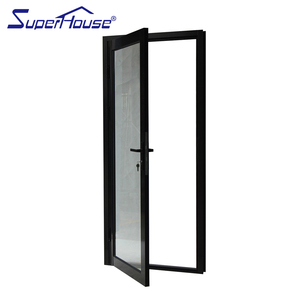
Superhouse Modern Single Exterior Commercial Storefront Door
- Heavy-duty commercial frame
- Impact-resistant tempered glass
- High-traffic commercial hinges
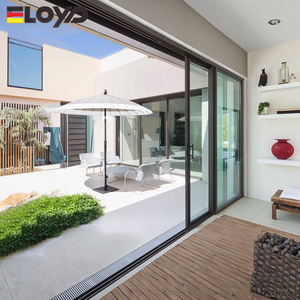
Eloyd Soundproof 12-Foot Multi-Panel White Sliding Patio Door
- Multi-track sliding system
- Acoustic double glazing (STC 42)
- Concealed flush bottom track
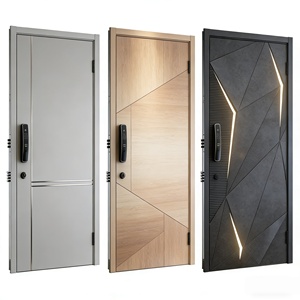
Modern Residential Front Entrance White Security Door System
- Multi-point anti-theft locking
- Reinforced structural core
- Minimalist contemporary profile
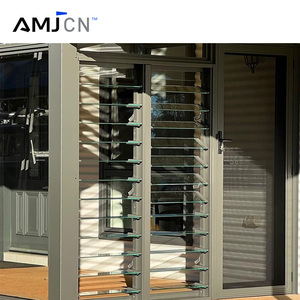
AMJ Architectural White Aluminium Adjustable Glass Louver System
- Adjustable blade airflow control
- Weatherproof EPDM blade seals
- Corrosion-resistant powder coat
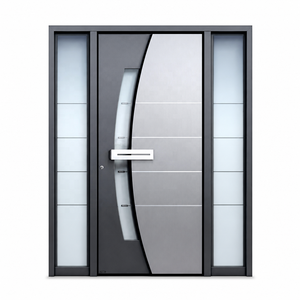
High-Security Exterior Entrance Door with Privacy Sidelights
- Thermal break frame construction
- Integrated frosted privacy glass
- Heavy-duty multi-point hardware
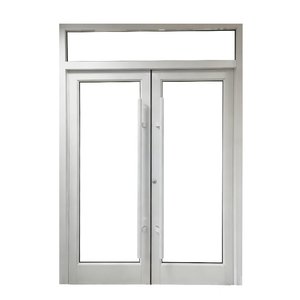
KLEIN Ultra-Quiet White Aluminium Sliding Door System
- Precision stainless steel rollers
- Enhanced wind pressure rating
- Ultra-narrow interlock profile
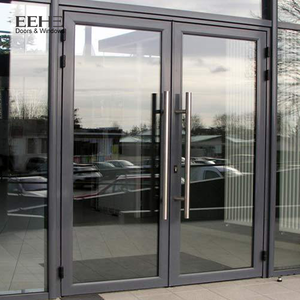
EEHE NFRC Certified Thermal Double Swing Patio Entrance Door
- NFRC certified thermal break
- High sound insulation rating
- Dual perimeter EPDM gaskets
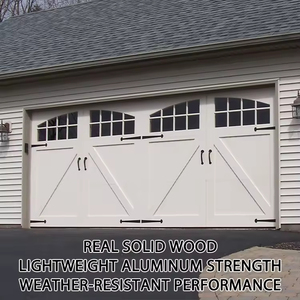
Storm-Proof Reinforced White Heavy-Duty Garage Door System
- Hurricane wind-load rated
- Insulated structural core panels
- Corrosion-proof hardware kit
10 Evaluation Standards for Selecting Top Aluminium White Door Factories
Sourcing door systems internationally requires rigorous qualification of raw materials, surface treatment chemistries, structural engineering tolerances, and quality management protocols.
1. Alloy Purity & Extrusion Spec
Premier suppliers utilize strictly primary 6063-T5 virgin aluminium ingots. Avoid factories using scrap-recycled billets, which introduce impurities causing micro-fractures during extrusion and compromise structural load capacity under high wind pressures.
2. White Powder Coating & PVDF
White finishes are highly vulnerable to UV degradation and yellowing. Leading manufacturers apply Qualicoat Class 2 Architectural Powder or 70% Kynar 500 PVDF coatings (RAL 9010, RAL 9016), guaranteeing color retention for over 25+ years.
3. Polyamide Thermal Break Quality
High-performance thermal break systems require PA66-GF25 (Polyamide 66 reinforced with 25% glass fiber) strips. Inferior PVC thermal strips deform under ambient heat, leading to air infiltration and structural failure.
4. Hardware Integration & Security
A superior frame is useless without precision hardware. Top suppliers integrate European multi-point locking gear (such as Siegenia, Hoppe, or Sobinco), rated for over 100,000 continuous cycle tests and anti-forced-entry compliance.
5. International Lab Certification
Verify that supplier systems have independent testing certificates for Air Infiltration (ASTM E283), Water Penetration (ASTM E331), and Structural Wind Load (ASTM E330), alongside CE and NFRC thermal ratings.
6. BIM/CAD Customization Support
Elite manufacturers maintain in-house engineering departments offering shop drawings, structural wind-load calculations, thermal modeling reports, and custom Revit BIM objects for seamless architectural integration.
7. CNC Milling & Corner Assembly
Look for factories employing 4-axis CNC machining centers and automated corner-crimping machines with two-component structural epoxy injection to prevent frame leakage and diagonal misalignment.
8. Export Packaging Protocols
White frames scratch easily during transit. Leading suppliers apply protective film on extrusions, corner guards, waterproof wrapping, and custom heat-treated fumigated wooden crates or steel transport racks.
9. OEM Production Lead Times
Assess supplier raw inventory reserves and extrusion schedule capabilities. Tier-1 factories offer predictable 25 to 35-day production turnarounds even for complex powder-coated custom extrusions.
Pro Specifier Tip: The Science of Non-Yellowing White Finishes
Standard TGIC polyester powders can suffer from chalking and yellowing within 3 to 5 years when exposed to intense UV environments. When specifying white door systems for coastal or tropical projects, explicitly require Fluorocarbon PVDF (Polyvinylidene Fluoride) 3-coat finishes or Super Durable FEVE Powders compliant with AAMA 2605 specifications. This guarantees UV stability, salt spray resistance > 4000 hours, and gloss retention.
System Performance & Specification Benchmarks
Compare technical parameters across primary white aluminium door configurations to align with project requirements.
| Door System Type | Frame Depth | Thermal Insulation (U-Value) | Acoustic Rating (STC) | Max Panel Height | Recommended Application |
|---|---|---|---|---|---|
| Ultra-Narrow Panoramic Sliding | 140mm - 157mm | 1.2 - 1.6 W/m²K | 38 - 42 dB | 4,500 mm | Luxury Villa Terraces, Penthouse Facades |
| Heavy-Duty Lift & Slide Door | 160mm - 220mm | 1.0 - 1.4 W/m²K | 40 - 45 dB | 3,800 mm | Coastal High-Wind Structures, Resorts |
| Bi-Fold Accordion Door | 75mm - 85mm | 1.5 - 1.8 W/m²K | 35 - 38 dB | 3,200 mm | Indoor-Outdoor Restaurant & Patio Openings |
| Commercial Double Swing Entrance | 100mm - 120mm | 1.6 - 2.0 W/m²K | 32 - 36 dB | 3,000 mm | Hotels, Office Lobbies, Retail Storefronts |
| Thermal Break Casement Entry | 70mm - 90mm | 0.9 - 1.3 W/m²K | 42 - 48 dB | 2,800 mm | Private Residential Security Front Doors |
Key Procurement & Technology Trends (2025–2030)
How technological developments in fenestration manufacturing are driving sustainability, energy optimization, and smart building integration.
Minimalist Sightlines (<20mm Interlocks)
Architects continue to push for invisible frame profiles. Next-generation white sliding systems relocate structural loads to outer frame perimeters and structural glass bonding, achieving vertical interlocks under 20mm for unobstructed panorama views.
Smart Access & Concealed Automation
Modern commercial white aluminium doors increasingly integrate automated drive motors, hidden magnetic locking strips, biometric access controls, and IoT sensor platforms directly into the internal frame cavities.
Vacuum Insulated Glass (VIG) Synergy
Pairing thermal break white aluminium frames with ultra-thin Vacuum Insulated Glass allows system U-values to drop below 0.6 W/m²K, enabling compliance with stringent Passive House (Passivhaus) carbon-neutral standards.
Project Engineering & Quality Assurance Workflow
Our standardized process ensures every door manufactured strictly adheres to architectural specifications from initial drawing review to job-site delivery.
Technical CAD Audit
Review architectural schedules, calculate wind loads, structural deflections, and specify profile depths.
Precision Extrusion
Extrude 6063-T5 virgin alloy, apply polyamide thermal break insertion, and execute automated crimping.
Surface Finish
Apply Qualicoat Class 2 white powder coat or PVDF treatment with strict micron thickness verification.
CNC Fabrication
Precision milling for hardware pockets, water drainage slots, corner key locking, and EPDM gasket seal fitment.
Factory Acceptance Testing
100% trial assembly, smooth operation testing, water seal verification, and crated export packaging.
Frequently Asked Procurement Questions (FAQ)
Addressing core technical, financial, and logistical queries raised by international buyers and project specifiers.
How do you prevent white aluminium door frames from yellowing over time?
Yellowing occurs when lower-grade polyester powders undergo UV degradation. We specify Qualicoat Class 2/3 certified pure polyester powder coatings or 70% Fluorocarbon PVDF coatings (such as AkzoNobel or PPG systems). These coatings carry UV-inhibitors and undergo 3,000+ hours of accelerated QUV weatherometer testing to guarantee zero yellowing and color stability for over 25 years.
What is the difference between thermal break and non-thermal break aluminium doors?
Aluminium is a conductive metal. Non-thermal break profiles transfer heat rapidly, leading to energy loss and condensation. A thermal break door incorporates a low-conductive polyamide strip (PA66-GF25) between the interior and exterior aluminium profiles, breaking thermal conductivity, dramatically reducing heating/cooling costs, and eliminating interior frame sweating.
What certificates are required for importing aluminium doors to North America or Europe?
For North America, products require NFRC (National Fenestration Rating Council) ratings for U-factor and SHGC, along with AAMA testing for water, air, and structural integrity. For the EU market, CE marking under EN 14351-1 is mandatory. Australian projects require compliance with AS2047 and AS1288 glass certification.
Can white aluminium doors be customized to match specific architectural color codes?
Yes. Factories can match any official RAL color specifier (most commonly RAL 9010 Pure White, RAL 9016 Traffic White, or RAL 9003 Signal White) as well as custom architectural paint swatches. Finishes are available in matte (30% gloss), satin (60% gloss), or high-gloss options.
How are large sliding and bi-fold doors packaged to prevent damage during ocean container transport?
Doors are disassembled into sub-frames or packaged with protective PE surface wrap, heavy-duty foam corner buffers, and enclosed inside custom-built fumigated wooden crates or steel A-frame pallets. Glass panels are separated by rubber pads and shrink-wrapped to absorb impact during shipping transit.
What is the typical Minimum Order Quantity (MOQ) for custom project sourcing?
While standard stocked extrusions have minimal MOQs, fully customized architectural white extrusions typically require an MOQ of 100 to 200 square meters per project schedule. For large-scale developments, factories provide custom die-tooling options with fee rebates upon reaching volume thresholds.
Request Complete Product Catalogs & Technical Specifications
Partner with an engineering-first aluminium door manufacturer. Submit your architectural drawings or door schedule to receive comprehensive system proposals, thermal calculations, and factory-direct pricing.