Featured Wood Finish & Architectural Aluminium Windows/Doors
Engineered with high-grade 6063-T5 aluminum alloy extrusions, advanced thermal break technology, and Qualicoat-certified wood grain sublimation coating.
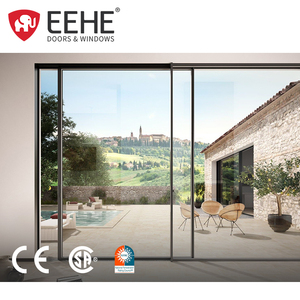
EEHE NFRC Certified Aluminum Alloy Glass Sliding Door Windproof
Get Catalog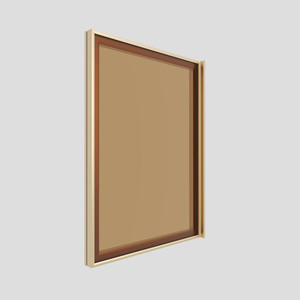
Aluminum Frame Glass Cabinet Door MR201 System
Get Catalog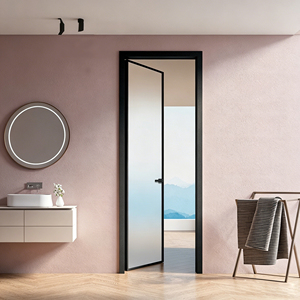
Eloyd Modern Aluminum Double Door French Exterior Glass Villa Doors
Get Catalog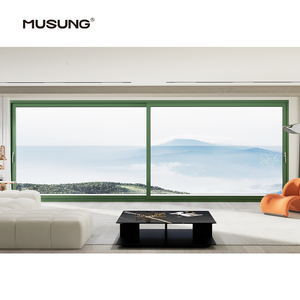
Thermal Break Sliding Patio Doors Exterior Aluminum Lift Sliding Door
Get Catalog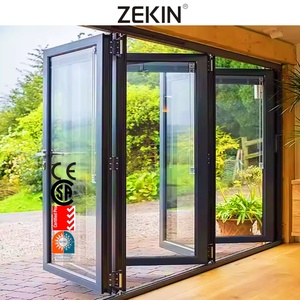
Aluminum Folding Doors Double Glass Bifold Patio AS2047 CE Certified
Get Catalog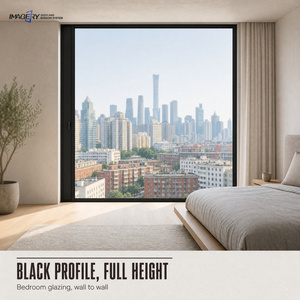
Aluminum Double Glazed Casement Micro-ventilation Burglar Proof Window
Get Catalog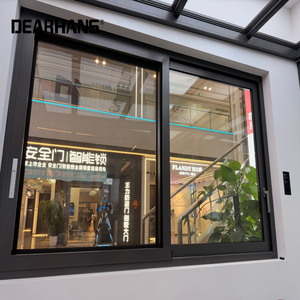
Exterior Aluminum Sliding Window Soundproof Air Tightness Renovation
Get Catalog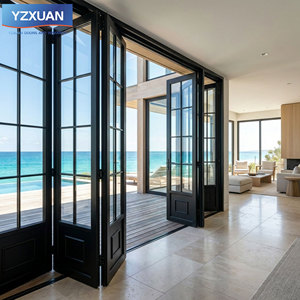
Luxury Retro Style Aluminum Folding Glass Door French Heritage Villa
Get CatalogState of the Industry: Wood-Finish Aluminium Windows Manufacturing & Global Export Analysis
Understanding the paradigm shift in luxury residential and commercial glazing systems, where structural longevity meets timeless natural aesthetics.
Heat Transfer Sublimation Technology
Leading exporters utilize vacuum-assisted heat transfer film (often referred to as Decoral technology). The aluminum extrusion first receives a Qualicoat-approved polyurethane powder base coat. A high-definition wood grain pattern paper is vacuum sealed around the profile and cured at 190°C–200°C. The ink sublimes directly into the powder layer, creating an indelible 3D texture resistant to UV degradation and peeling.
Thermal Break & Energy Insulation (PA66GF25)
Energy codes worldwide mandate low structural thermal transmittance (U-factor). Superior wood-finish aluminum windows integrate 25% glass-fiber reinforced Polyamide (PA66GF25) thermal break strips. This breaks the heat bridge between interior and exterior profiles, reducing thermal expansion stress on the wood-grain finish while achieving U-values as low as 0.24 BTU/hr·ft²·°F (1.3 W/m²K).
Material Performance Comparison: Wood Finish Aluminium vs. Solid Timber & Clad
A quantitative engineering comparison designed for specifiers, structural engineers, and general contractors during early design phase review.
| Evaluation Parameter | Wood Finish Aluminium (Sublimated) | Real Solid Timber Windows | Aluminium-Clad Timber |
|---|---|---|---|
| Structural Lifespan | 50+ Years (Corrosion-free) | 15 - 25 Years (Requires sealing) | 30 - 40 Years |
| UV & Weathering Resistance | Qualicoat Class 2 / AAMA 2604 compliant | Prone to fading, checking, and rot | High exterior resistance / Internal wood vulnerable |
| Thermal Expansion (mm/m) | Very Low (Matches structural glass) | High hygroscopic expansion | Differential expansion risk |
| Fire Safety Rating | Non-combustible (Class A) | Combustible (Class C/D) | Partial fire resistance |
| Maintenance Cycle | Zero maintenance (Soap & water wash) | Repainting/varnishing every 2-3 yrs | Interior wood refinishing required |
| Cost Efficiency (B2B Project) | High ROI / Lower freight & installation | Extremely high material & installation cost | Premium luxury pricing tier |
How to Evaluate Top 10 Aluminium Wood Finish Factories & Exporters
When auditing OEM/ODM suppliers in China and globally, tier-one manufacturers must meet stringent technical indicators across manufacturing and quality control.
1. Raw Profile Extrusion & Billet Purity
Top factories control the melt process using 100% primary A00 aluminum ingots to extrude 6063-T5 or 6061-T6 profiles. Avoid suppliers using recycled scrap billets, which introduce impurities causing micro-cracking during deep vacuum wood grain sublimation.
2. Qualicoat Powder & Sublimation Film Certification
The factory must operate automated vertical powder coating lines certified by Qualicoat (Class 1 or Class 2) using AkzoNobel or PPG powders. Wood texture transfer film must be polyurethane-based to ensure 3000-hour QUV accelerated weathering stability.
3. CNC Precision Fabrication & Corner Crimping
Modern export-oriented manufacturing utilizes 5-axis CNC machining centers for milling, drilling, and corner assembly. German-standard pneumatic corner crimping with dual-component glue injection ensures water tightness and structural rigidity under heavy wind loads.
Future Procurement Trends in Architectural Aluminium Windows
Strategic insight for global buyers, real estate developers, and importers staying ahead of building regulations and design evolutions.
Trend 1: Ultra-Narrow Sightline Interlocks with Tactile 3D Wood Grains
Architectural preference is shifting rapidly toward panoramic glass walls with invisible frames. Modern slim-profile wood finish sliding doors feature slim center interlocks as narrow as 20mm–25mm. By combining sleek modern sightlines with warm tactile wood grain textures (such as Burma Teak, Royal Oak, or Italian Walnut), buildings achieve a harmony of minimalist engineering and organic warmth.
Trend 2: Smart Motorization & Concealed Hardware
Integration of hidden motorized actuators, smart sensor integration (wind/rain auto-closing), and concealed hinges inside the thermal break profile. Wood finish treatments are applied even to internal hardware covers to maintain seamless interior aesthetic cohesion.
Trend 3: Triple-Glazed Low-E Vacuum Glazing
With global carbon neutrality policies driving strict energy codes, wood finish windows are increasingly specified with argon-filled triple-glazed insulating glass units (IGU) or warm-edge vacuum glazing, achieving Passive House structural certification standards.
Why Partner with Meric Window Systems Co., Ltd.
Engineering excellence, rigid Quality Control, and comprehensive export logistics designed for turnkey global delivery.
Project Drawing & Wind Load Analysis
Our in-house facade engineering team conducts structural wind load calculations, thermal simulation modeling, and shop drawing verification for every B2B order prior to extrusion tooling.
Custom Grain Matching & Surface Testing
We provide custom wood grain color matching services. Every batch undergoes cross-hatch adhesion testing, boiling water resistance testing, and gloss angle verification under ISO 9001 protocols.
Export Container Packing & Protection
All window units are wrapped with scratch-resistant protective film, fitted with corner edge guards, and packed inside steel-reinforced fumigated wooden crates tailored for crane and forklift site unloading.
Frequently Asked Questions (FAQ) for Global Buyers
Expert responses to critical procurement, testing, and customization inquiries.
What is the difference between Wood Sublimation (Heat Transfer) and Powder Coating Grain Printing?
Wood Sublimation uses a two-step process where a polyurethane powder base coat is applied first, followed by vacuuming a wood grain paper roll around the profile and baking it at high temperatures. The inks sublime directly into the powder layer, yielding a deep, 3D grain texture with exceptional weather resistance. Powder Coating Grain Printing uses direct roller transfer, which has less grain depth and lower UV resistance compared to vacuum sublimation.
Can Meric Window systems meet local structural codes like NFRC, AS2047, or CE?
Yes. Our window and door systems undergo third-party lab testing for air infiltration, water penetration resistance, structural wind pressure (AAMA/WDMA/CSA 101/I.S.2/A440), and thermal performance under NFRC guidelines. Certification documentation and test reports are provided during shop drawing submittal.
Does the wood finish fade under harsh sunlight or coastal salt-spray environments?
Our wood finish profiles utilize Qualicoat Class 2 architectural powders specifically engineered for high-UV and tropical environments. They pass 3,000-hour QUV accelerated weathering tests and 2,000-hour neutral salt spray tests (ASTM B117), showing zero peeling, chalking, or major color shift even in extreme coastal settings.
What project details are needed to generate an exact factory quotation?
To provide a precise technical quotation, please supply: 1) Window and door elevation schedules with opening sizes, 2) Preferred glass specification (e.g., 6mm+12Ar+6mm Low-E), 3) Wood grain finish code or sample reference, and 4) Destination project location for wind load validation.
Can we specify dual-color profiles (Wood finish interior, Anodized/Powder coat exterior)?
Yes. Because our systems feature thermal break construction, the interior aluminum profile and exterior aluminum profile are processed separately before being crimped together with the polyamide strip. This allows complete freedom to select warm wood grain finishes inside and sleek matte black or dark bronze anodized finishes on the building exterior.
Partner with a Leading Aluminium Wood Finish Exporter
Request architectural binders, technical profile CAD drawings, and factory direct pricing for your upcoming commercial or residential building project.
Get Catalog