Featured Architectural & Subterranean Fenestration Systems
Explore high-performance 6063-T5 aluminum alloy window profiles, cleanroom access solutions, and heavy-duty protective systems engineered for structural longevity.
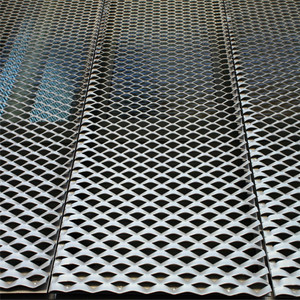
Customized Decorative Aluminum Expanded Metal Mesh
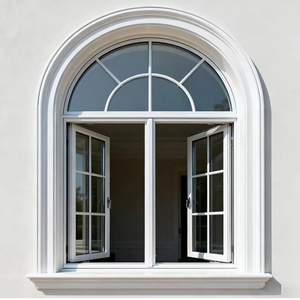
Retro Secure Arched Top Aluminum Casement Windows North American Style
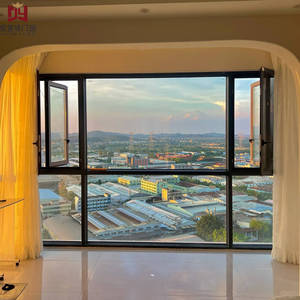
Direct From Factory: Aluminum Casement Windows with Tilt-In Option
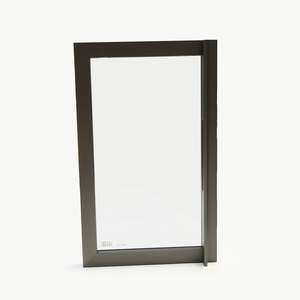
Italian Modern Look Aluminum Slim Frame Doors With Tempered Glass
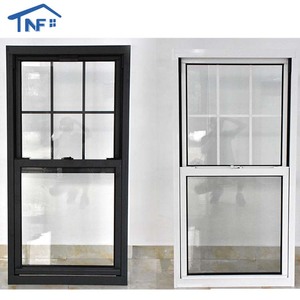
Foshan America Waterproof French Black Single/Double Hung Windows
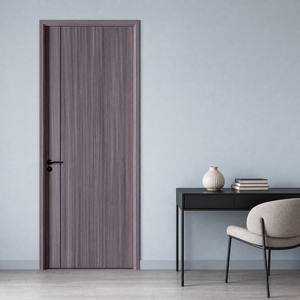
High-End Aluminum Alloy Interior Door Wood Grain Rust-proof Finish
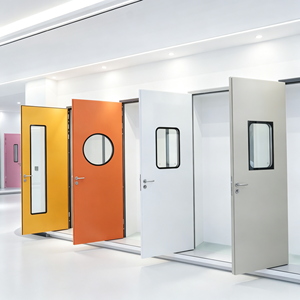
GMP ISO Lab Cleanroom Hermetic Sealed Anti-Corrosion Door
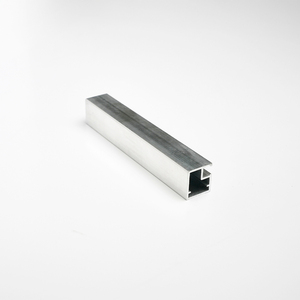
Corrosion Resistance European Aluminum Framed Windows with 4mm Glass
Subterranean Architectural Engineering & Materials Whitepaper
In modern commercial and high-end residential architecture, basement spaces have evolved from subterranean storage vaults into high-value livable environments, wellness centers, home theaters, and executive suites. Consequently, the engineering demands placed on subterranean fenestration systems have escalated dramatically. Basement windows face localized environmental stressors rarely experienced by above-grade openings: continuous soil moisture vapor pressure, elevated hydrostatic head risk during surface run-off events, extreme indoor-outdoor thermal differentials triggering heavy dew-point condensation, and stringent municipal codes governing emergency escape and egress (IRC Section R310).
Historically, subterranean openings relied on uninsulated vinyl (PVC) hopper frames or cold-rolled steel window buckets. However, vinyl suffers from thermal creep and structural flexure under lateral soil loads, while steel inevitably succumbs to electrolytic oxidation (rust) in moist ground-contact zones. Modern structural engineering favors thermally broken extruded 6063-T5 aluminum alloy windows. Aluminum delivers unmatched tensile yield strength (≥ 110 MPa), superior dimensional stability across temperature swings (-40°C to +80°C), exceptional resistance to soil-alkali corrosion when treated with PVDF or Class 1 anodization, and slim architectural sightlines that maximize natural light transmission into lightwells.
Key Engineering Specifications for Basement Fenestration
Selecting subterranean aluminum windows requires evaluating four critical performance pillars to prevent water intrusion, structural failure, and energy loss.
Alloy Temper & Structural Deflection
Extruded 6063-T5 aluminum profiles provide dense grain structure and wall thickness (≥ 1.8mm–2.0mm) capable of resisting soil lateral forces around window wells without jamb distortion or sash binding.
PA66 GF25 Thermal Break Strips
24mm to 34mm polyamide thermal barriers reinforced with 25% glass fiber separate the outer aluminum frame from interior ambient air, raising the Condensation Resistance Factor (CRF) above 70.
EPDM Triple-Gasket Sealing
Continuous co-extruded EPDM weatherstripping creates dual air-tight chambers. Vulcanized corner joints ensure wind-driven rain and standing water cannot bypass the primary barrier.
Top 10 Aluminum Basement Windows Manufacturers & Suppliers Analysis
A comparative evaluation of leading global manufacturers specializing in custom aluminum basement windows, egress solutions, and commercial subterranean facades.
| Manufacturer / Supplier | Headquarters | Core Specialization | Thermal & Coating Standard | B2B Supply Lead Time |
|---|---|---|---|---|
| Meric Window Systems Co., Ltd. | Foshan, China | Ultra-narrow subterranean systems, Tilt & Turn, Egress Casements | PA66 Strip + PVDF Coating | 15 - 25 Days |
| Schüco International | Bielefeld, Germany | Heavy-duty commercial subterranean curtain walls & luxury systems | Advanced Insulation + Anodized | 45 - 60 Days |
| Reynaers Aluminium | Duffel, Belgium | High-end residential sliding, hopper & tilt-turn basement windows | Qualicoat Class 2 Thermal | 40 - 50 Days |
| Andersen Windows & Doors | Bayport, MN, USA | Aluminum-clad basement windows & egress window well packages | AAMA 2605 Extruded Clad | 30 - 40 Days |
| Kawneer (Arconic) | Norcross, GA, USA | Subterranean structural commercial glazing & store-front facades | Heavy Commercial Anodized | 35 - 45 Days |
| Marvin Windows & Doors | Warroad, MN, USA | Custom architect-grade aluminum exterior basement egress windows | Fluoropolymer PVDF | 30 - 45 Days |
| YKK AP America | Atlanta, GA, USA | Thermally broken subterranean hopper & awning aluminum systems | ThermapRO Profile Tech | 25 - 35 Days |
| Aluk Group | Luxembourg / Global | Modular aluminum window systems for subterranean parking & residential | EN 12207 Class 4 Sealing | 30 - 50 Days |
| Technal (Hydro Systems) | Toulouse, France | Sustainable recycled aluminum subterranean fenestration | Circal 75R Recycled Aluminum | 35 - 45 Days |
| Western Window Systems | Phoenix, AZ, USA | Contemporary multi-slide & large format basement daylighting doors | Thermally Broken Dual Anodized | 25 - 35 Days |
Future Procurement Trends in Subterranean Fenestration (2025–2030)
As building envelope requirements become increasingly strict under modern energy codes (such as IECC 2024 and Passive House Standards), procurement managers, general contractors, and developers must anticipate key structural shifts in subterranean window specifications:
1. Motorized Egress & Smart Micro-Ventilation
Future basement window systems integrate concealed linear actuators connected to home automation or building management systems (BMS). Integrated humidity sensors trigger micro-ventilation cycles automatically when subterranean moisture levels breach 60% RH.
2. Low-Carbon Recycled Aluminum Extrusions
Corporate ESG initiatives demand windows fabricated from low-embodied-carbon prime billet or post-consumer recycled aluminum (producing < 4.0 kg CO2e per kg of aluminum), backed by verified Environmental Product Declarations (EPDs).
3. Triple-Glazed Argon Insulated Glass Units (IGU)
To eliminate interior glass cold-spots and noise transfer from street level, standard subterranean specifications are shifting from 24mm double-pane units to 42mm triple-pane IGUs featuring warm-edge composite spacers and Low-E soft coatings.
Why Project Engineers Choose Meric Window Systems
Meric Window Systems Co., Ltd. stands at the forefront of high-precision architectural aluminum window manufacturing. Operating advanced multi-axis CNC machining centers, automated corner crimping lines, and rigorous in-house physical testing laboratories, Meric delivers engineered window and door solutions matched strictly to structural engineering schedules.
Precision Extrusion & Tempering
Utilizing 6063-T5 virgin aluminum billets extruded to tight dimensional tolerances (±0.15mm), ensuring structural integrity under high lateral pressure loads.
Advanced Thermal Barrier Integration
In-house mechanical insertion of PA66 GF25 polyamide insulation strips, achieving thermal transmittance values capable of meeting stringent global energy codes.
100% Factory Water Pressure Testing
Every custom basement window batch undergoes dynamic water spray test chambers to verify zero gasket bypass under simulated heavy torrential rain conditions.
Export-Ready Protective Logistics
Finished frames receive low-tack protective film, heavy foam edge guards, and are secured inside fumigated plywood crates engineered for seamless FCL/LCL ocean container shipping.
Frequently Asked Questions (B2B Procurement FAQ)
Technical clarity on compliance, installation standards, material grades, and bulk ordering workflows.
Accelerate Your Project with Custom Aluminum Window Engineering
Partner with Meric Window Systems for direct factory pricing, structural drawing reviews, and certified high-performance window manufacturing tailored for your architectural developments.