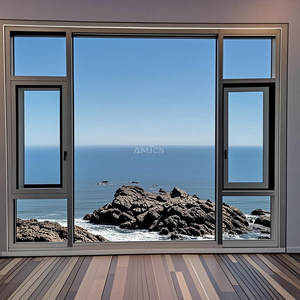
Direct Product Catalog
Featured Aluminium & Glass/Acrylic Door Systems
Factory-direct architectural solutions engineered for international building codes, hurricane-impact resistance, and micro-slim visual profiles.
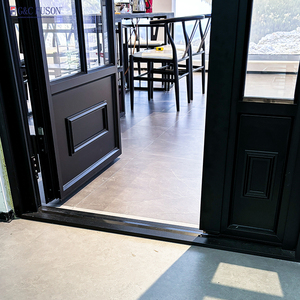
Fuson New Style Minimalist Design Waterproof Exterior Aluminium Glass Double Door Garden Entry Doors Patio Casement French Doors
Contact Us →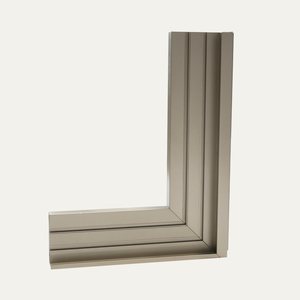
Excellent Wholesale Pro Wood Smart 9/10Mm Wood Panel, Base Frame, 96Mm Handle Aluminium Wood Cabinet Door
Contact Us →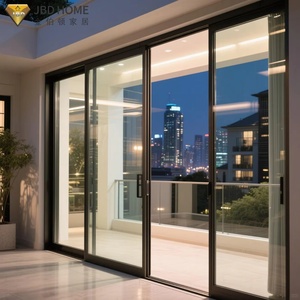
Customizable Aluminum Sliding Glass Door Narrow Frame Automatic Open Feature Sliding Glass Doors Exterior For Houses Commercial
Contact Us →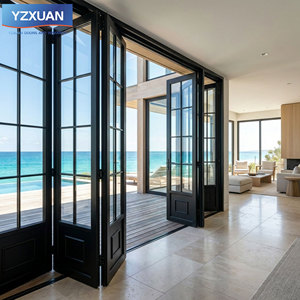
Luxury Retro Style Aluminum Folding Glass Door French Heritage Villa Garden House Interior Partition Kitchen
Contact Us →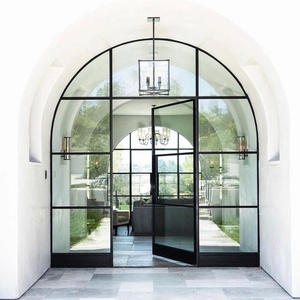
Insulated Arched Antique Heritage Black Aluminium French Front Doors with Grid Strip Glass for Outdoor Entry
Contact Us →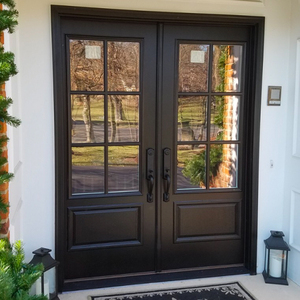
Custom Villa Main Entrance Door Aluminum Casement Door Double Tempered Glass Thermal Insulation For Front Entry Doors
Contact Us →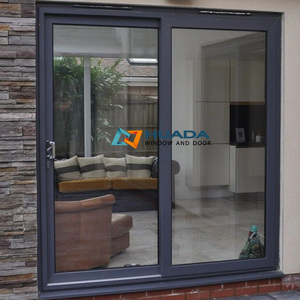
High-End Waterproof Entry Front Door Hurricane Impact Sliding Glass Windows And Doors Energy Efficient Lifting And Sliding Door
Contact Us →
Industry Insights
Navigating the Ecosystem of Chinese Aluminium & Acrylic Door Manufacturing
The global demand for minimalist structural openings, energy-efficient building envelopes, and durable acoustic partitions has transformed China’s architectural metal fabrication landscape. Today, procurement directors, commercial contractors, and architectural specifiers face a complex supplier matrix. Selecting the top China Aluminium Acrylic Door Factories & Suppliers requires evaluating structural alloy standards, polymer panel glazing chemistry, thermal break extrusion precision, and compliance with international rating systems such as AS2047, ASTM E330, and EN 12207.
While traditional glass door assemblies remain standard for external envelopes, the hybrid integration of high-impact PMMA (Polymethyl Methacrylate) acrylic infills with structural 6063-T5 aluminium frames has gained rapid market share in interior commercial divides, high-traffic retail spaces, and weight-sensitive modern residential architectural builds. This whitepaper serves as an authoritative technical procurement guide to evaluating manufacturing capabilities, understanding engineering physics, and securing reliable OEM/ODM factory partnerships across China's primary manufacturing hubs.
Metallurgical Integrity
Evaluation of primary vs secondary aluminium billet usage. Standardizing on 6063-T5 profile extrusions with controlled wall thickness (1.6mm to 3.0mm) to withstand extreme wind loads up to 4500 Pa.
Thermal & Weather Sealing
Integrating PA66 polyamide thermal break strips with EPDM continuous multi-gasket systems. Achieves low U-values (<1.6 W/m²K) and water resistance ratings exceeding 700 Pa.
Lifecycle Acceleration
Surface treatments utilizing Fluorocarbon PVDF coatings and anodic oxidation layers (>15µm) guaranteeing 25+ years of color retention under high UV exposure and marine coastal environments.
Information Gain Technical Report
Material Engineering: Structural Aluminium & PMMA Acrylic Panel Hybridization
When specifying custom door systems, architectural buyers frequently weigh the performance profiles of pure glass inserts against cast optical acrylic panels embedded within extruded aluminium framing.
Primary Aluminium Profile Metallurgy
Top China suppliers utilize 6063-T5 or 6061-T6 magnesium-silicon aluminium alloys. The extrusion process must maintain strict dimensional tolerances under GB/T 5237 standards. T5 artificial aging ensures tensile strengths exceeding 185 MPa, rendering the framing resistant to dynamic deflection during high pressure differentials.
- Wall Thickness: Residential (1.4mm - 1.8mm); Commercial/Structural (2.0mm - 3.5mm).
- Thermal Conductivity: Integrated with PA66GF25 (25% fiberglass reinforced polyamide) to disrupt thermal bridge effects.
Optical Acrylic (PMMA) Mechanics
Cell-cast acrylic panels provide 17 times the impact resistance of annealed glass at less than half the weight. In modern aluminium door designs, acrylic offers superior light transmission (92%) and structural shatter-resistance, making it ideal for large-span sliding partitions and safety doors.
- Weight Reduction: Decreases total panel weight by up to 50%, minimizing roller track wear.
- Acoustic Damping: High internal polymer density absorbs low-frequency vibrational sound waves.
6063-T5
Architectural Alloy Grade
< 1.4 W/m²K
Thermal Transmittance (U-Value)
17x
Impact Resistance vs Standard Glass
PA66GF25
Structural Thermal Insulation Strip
Strategic Sourcing Roadmap
Future Procurement Trends in Aluminium & Acrylic Door Systems (2025–2030)
Understanding technological shifts enables global buyers to future-proof their supply chains and align with international building efficiency regulations.
1. Micro-Slim Sightlines & Concealed Hardware
Architectural aesthetics are driving toward invisible frames. Top Chinese manufacturers are pioneering ultra-narrow interlocks (down to 18mm visible sightlines) with fully concealed track systems, concealed hydraulic hinges, and flush threshold drainages that blend interior and exterior living spaces seamlessly.
2. Smart Automation & Magnetic Drive Motion
Next-generation sliding acrylic and glass doors are moving away from traditional mechanical rollers toward electromagnetic linear drive systems. These provide whisper-quiet auto-opening, integration with smart home automation (IoT), obstacle detection, and remote mobile app access control.
3. Low Embodied Carbon & Green Recycled Aluminium
With stringent European Carbon Border Adjustment Mechanisms (CBAM), tier-1 Chinese suppliers are transitioning to low-carbon hydro-powered extruded aluminium billets and recyclable PMMA compounds, providing verified Environmental Product Declarations (EPDs) for LEED and BREEAM certifications.
4. Severe Weather Resilience & Hurricane Testing
Climate volatility has shifted buyer preferences toward certified impact-resistant assemblies. Top suppliers are expanding dynamic air pressure testing (ASTM E330), cyclic wind pressure loading, and large missile impact testing protocols to serve coastal regions across North America, Australia, and the Caribbean.
Engineering Matrix
Aluminium & Acrylic Door System Specification Comparison
Use this comparative matrix to align structural project requirements with appropriate door mechanics and infill panel technologies.
| System Category | Typical Infill Material | Profile Wall Thickness | Wind Load Rating (Pa) | Acoustic Rating (STC) | Best Application |
|---|---|---|---|---|---|
| Ultra-Narrow Sliding Door | Double Tempered / PMMA Acrylic | 2.0mm - 3.0mm | 3500 - 4500 Pa | 35 - 42 dB | Luxury Villas, Resort Terraces, Panoramic Openings |
| Lift & Slide Heavy-Duty Door | Triple Glazed Insulated Unit | 2.2mm - 3.5mm | 4000 - 5000+ Pa | 40 - 45 dB | High-Rise Penthouses, Coastal Exposure Zones |
| Minimalist Folding/Bi-Fold Door | Tempered Glass / Frosted Acrylic | 1.8mm - 2.5mm | 2500 - 3500 Pa | 32 - 38 dB | Interior Partitions, Restaurant Patios, Gardens |
| Thermal Break Casement Entry | Insulated Glass / Solid Panel Composite | 2.0mm - 2.8mm | 3000 - 4000 Pa | 38 - 44 dB | Main Entrances, High-Security Villa Doors |
| Smart Cabinet & Interior Slide | Cast Optical PMMA Acrylic / Wood Panel | 1.2mm - 1.6mm | N/A (Interior) | 25 - 30 dB | High-End Kitchen Cabinets, Office Enclosures |
Supplier Audit Criteria
How to Audit a Chinese Aluminium Acrylic Door Manufacturer
Establishing a risk-free procurement pathway requires rigorous verification of manufacturing infrastructure, quality control systems, and structural testing capabilities.
01
CNC Machine Precision
Verify that the factory utilizes multi-axis CNC machining centers for profile cutting, lock mortising, and corner crimping. Miter joint tolerances must be within 0.1mm to prevent water ingress and structural misalignment.
02
In-House Anodizing & PVDF
Inspect surface treatment facilities. Top suppliers feature automated vertical anodizing lines and Qualicoat-certified powder coating lines to guarantee coating adhesion and anti-salt spray corrosion performance.
03
Structural Mockup Testing
Ensure the factory maintains internal test towers capable of conducting air infiltration (ASTM E283), water penetration (ASTM E331), and structural load (ASTM E330) pre-inspections prior to third-party lab testing.
Buyer FAQ
Frequently Asked Questions on Sourcing & Manufacturing
✔
What is an ultra-narrow sightline aluminium door system?
An ultra-narrow sightline system reduces visible aluminium frame profiles at vertical interlocks or mullions to a minimum (typically 18mm to 25mm). This maximizes daylight and uninterrupted landscape views while transferred structural loads are carried through reinforced internal steel stiffeners and bonded high-strength structural glass or acrylic units.
✔
Why choose acrylic (PMMA) infill panels instead of standard glass for doors?
High-grade cell-cast acrylic panels offer superior impact resistance (up to 17 times stronger than glass), reduced total panel weight (over 50% lighter), enhanced safety in high-traffic or seismic zones, and expanded design flexibility for custom decorative textures, light diffusion, and curved architectural elements.
✔
Can Chinese aluminium door suppliers meet local standards (AS2047, ASTM, NFRC, CE)?
Yes. Tier-1 manufacturers engineered systems specifically for export markets. Project-specific testing for air tightness, water tightness, structural wind loads, and thermal U-factors can be certified via NATA-accredited labs (Australia), Intertek/AZON (USA), or TÜV SÜD (Europe) prior to mass fabrication.
✔
Which aluminium alloy and thermal break materials are recommended?
Architectural doors should specify 6063-T5 primary extruded aluminium alloy. For external thermal efficiency, frames must feature PA66GF25 (Polyamide 66 reinforced with 25% glass fiber) thermal break strips, avoiding low-cost PVC substitutes which degrade under UV exposure and thermal stress.
✔
How are finished door systems packed for ocean freight transport?
Units undergo multi-layer surface protection: protective polyethylene adhesive film on profiles, corner guards, EPDM wrap, and moisture-absorbent foam. Frame components and glazed units are secured inside ISPM 15-compliant fumigated wooden crates or custom heavy-duty steel A-frames designed for crane unloading on construction sites.
✔
What information is required to get a precise factory quotation?
To receive an accurate engineering proposal, buyers should provide architectural elevation drawings or a window/door schedule specifying overall opening dimensions, opening mechanism (sliding, bi-fold, casement), frame surface finish/color code, glass or acrylic specification, target U-value/STC ratings, and wind pressure requirements for the site location.
Ready to Optimize Your Project Supply Chain?
Connect directly with our engineering team for technical drawing reviews, structural wind load calculations, custom profile extrusions, and factory-direct pricing for your upcoming commercial or residential developments.