Factory-direct structural glazing, thermal break profiles, and hurricane impact-resistant balcony solutions designed for global developers and architectural projects.
Executive Summary & Structural Engineering Whitepaper
In modern architectural design, the balcony has evolved from a simple passive outdoor platform into an integrated high-performance thermal boundary zone. Top China aluminium balcony windows manufacturers and factories have spearheaded an engineering revolution, combining structural micro-alloy metallurgy, complex extrusions, multi-cavity thermal break technology, and precision CNC fabrication to service international architectural projects across North America, Europe, Australia, and the Middle East.
Procuring architectural aluminum glazing systems from premier Chinese factories offers significant competitive advantages in cost efficiency, engineering customization, and scalability. Leading manufacturers operate under strict international building codes, utilizing high-grade 6063-T5 and 6063-T6 aluminum alloys, PA66-GF25 polyamide thermal break strips, and automated double- or triple-insulated glass unit (IGU) assembly lines. This technical whitepaper outlines the essential structural parameters, procurement criteria, future trends, and manufacturing innovations defining China's top aluminum balcony window export sector.
1. Advanced Metallurgy & Thermal Physics in Balcony Systems
The primary material basis for high-end balcony windows is extruded aluminum alloy 6063-T5, engineered specifically for high tensile strength, corrosion resistance, and intricate cross-sectional precision. Standard un-insulated aluminum frames possess high thermal conductivity (approx. 200 W/m·K), which creates severe thermal bridging in building envelopes. Modern Chinese manufacturing eliminates this through multi-chamber thermal breaks utilizing 25% glass fiber reinforced polyamide (PA66-GF25) thermal strips.
By breaking the conductive bridge between outer and inner aluminum profiles, overall frame heat transfer coefficients (U-values) drop drastically from over 6.0 W/m²K to as low as 1.1–1.6 W/m²K when combined with warm-edge spacer bars and double- or triple-glazed Low-E units. For balcony enclosures in coastal or extreme temperature zones, isobaric pressure-equalized drainage chambers prevent wind-driven rainwater penetration while maintaining structural integrity against positive and negative wind pressure loads exceeding 5000 Pascals (Pa).
Structural Integrity
Reinforced mullion extrusions engineered to withstand high wind velocity pressures, dynamic deflection limits (L/175 or L/240), and severe hurricane impacts.
Acoustic Insulation
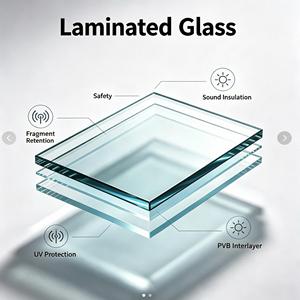
Multi-layer EPDM seals combined with laminated acoustic glass assemblies achieve STC ratings up to 45 dB, keeping urban balcony spaces whisper-quiet.
Surface Finish Tech
Advanced PVDF fluorocarbon coatings, AkzoNobel powder coats, and anodized finishes ensuring 25+ years of resistance against UV degradation and salt spray corrosion.
2. Key Manufacturing & Innovation Trends (2025–2030)
The global facade industry is shifting rapidly towards high-transparency, low-carbon, and intelligent building envelopes. Chinese factories lead this transition by adopting digital automation and advanced extrusion dies. Key technological shifts include:
Ultra-Narrow Interlocks & Panoramic Sightlines: Modern residential projects demand unobstructed outdoor views. Emerging aluminum balcony systems feature interlock sightlines compressed down to 20mm–30mm without compromising structural moment of inertia ($I_x$). Stainless steel concealed rollers and heavy-duty lift-and-slide gearings allow glass panels weighing up to 400 kg to slide seamlessly with single-finger operation.
Integrated Smart Automation & Micro-Ventilation: Micro-motorized actuators combined with automated sensors automatically adjust balcony tilt-turn or awning sashes based on wind force, rainfall, and indoor air quality ($CO_2$ levels). Integrated trickle ventilation channels allow continuous air exchange even when main balcony windows are locked for burglary protection.
Low-Embodied Carbon Extrusions: Leading factories in Foshan, Shandong, and Jiangsu are increasingly integrating green hydro-powered recycled aluminum billets into their production cycles, cutting carbon intensity per ton of extruded profile by up to 65% to comply with European Carbon Border Adjustment Mechanism (CBAM) standards.
3. Global Procurement Trends & Supply Chain Strategies
Overseas developers, general contractors, and trade importers sourcing aluminum balcony windows from Chinese factories are shifting from simple off-the-shelf buying to deep technical co-engineering. The following sourcing strategies are vital for successful project execution:
1. BIM & Shop Drawing Integration: Direct collaboration between developer engineering teams and Chinese factory CAD/BIM technicians during the schematics phase ensures zero dimension errors. Profile profiles, wall anchors, and expansion joints are calculated specifically for the structural floor movement of the target building.
2. Comprehensive Standard Compliance Validation: Premier Chinese suppliers provide complete test reports verified by third-party testing agencies (Intertek, SGS, TUV) adhering to ASTM E330 (structural performance), ASTM E331 (water penetration), AAMA 101, EN 14351-1, and Australian AS2047 standards.
3. Heavy-Duty Export Container Packaging: Given the vulnerability of glass and precision-machined aluminum powder coats, top-tier factories utilize custom steel frame crates, corner protective guards, anti-vibration rubber cushioning, and vacuum-sealed plastic wrappings to prevent damage during long-distance ocean shipping.
4. Corporate Manufacturing Superiority: Meric Window Systems
As a leading brand represented in China's high-end window extrusion and assembly landscape, Meric Window Systems Co., Ltd. demonstrates comprehensive capabilities in designing ultra-narrow aluminum windows, panoramic sliding doors, and specialized balcony systems. Operating with state-of-the-art multi-axis CNC machining centers, automated corner-crimping rigs, and double-seal insulated glazing lines, Meric delivers high-precision products tailored to international architectural specifications.
Every batch of aluminum extrusions undergoes rigorous hardness testing, anodizing film depth verification, and strict dimensional tolerance checks. Furthermore, 100% pre-shipment dry-fit testing guarantees that frame joints, hardware operation, and seal gaskets perform perfectly prior to crate packing, eliminating job-site downtime for international contractors.
Essential answers to common structural, thermal, and logistics questions from international importers and project managers.
Accelerate Your Project with Factory-Direct Engineering
Contact our technical engineering team today to receive a complete structural review, custom profile recommendation, and competitive factory quotation for your upcoming balcony glazing project.
Inquire Now