High-Performance Architectural Aluminum Doors & Screen Systems
Precision-engineered aluminum doors with integrated stainless steel net options, lift-and-slide mechanisms, hurricane-grade reinforcement, and ultra-narrow sightlines.
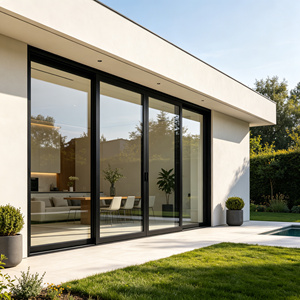
Heavy Duty Aluminum Lift Slide Glass Door Triple Track Thermal Break Soundproof Large Opening Balcony Villa Custom OEM
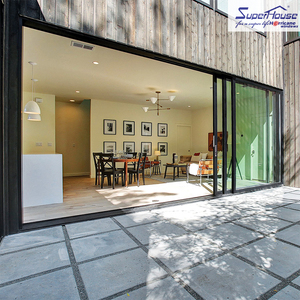
Miami Dade Hurricane Grade Florida Product Approval aluminum Alloy Windows doors Commercial Hotel Apartment Sliding Glass door
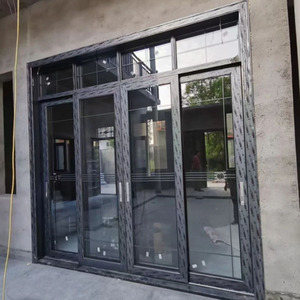
Custom Modern Luxury Burglar Proof Door Hotels Halls Malls Tempered Glass Steel Interior Doors for Storm Door
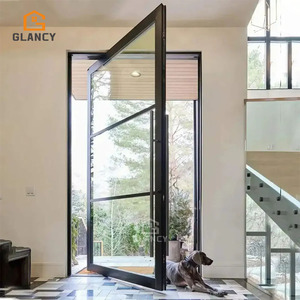
Customized Size Modern Pivot Doors Aluminium External Glass Door Single Patio Door Glass Outdoor for Houses Villa US Australia
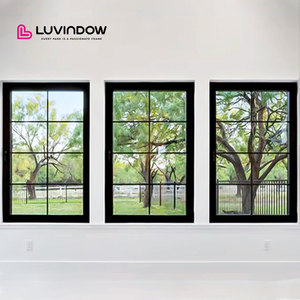
Hurricane Proof High Impact Black Aluminum Alloy Thin Profile Aluminium Windows And Doors Casement Window S For USA
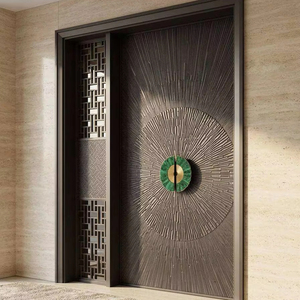
New Chinese Mother and Son Cast Aluminum Front Door Jade Fan Inlay Sunburst Pattern Villa Mansion
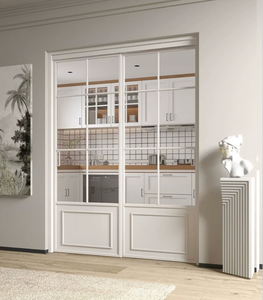
High Quality Light Luxury French Style Aluminum Sliding Glass Doors for Kitchen & Living Room, Customizable
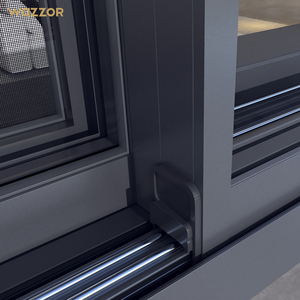
Wazzor Hotel Hurricane Impact Window Balcony Soundproof Double Glass Aluminum Windows Triple Glaze Black Aluminum Sliding Window
Why Top Global Importers Partner With China Manufacturers
Meric Window Systems Co., Ltd. combines precise alloy extrusion with custom architectural fabrication, delivering turnkey window and net door assemblies worldwide.
Architectural Extrusion Grade
Utilizing high-purity 6063-T5 aluminum alloy profiles, offering exceptional structural rigidity, anti-corrosion resilience, and precise tolerances for multi-track sliding net doors.
- Tensile strength exceeding 160 MPa
- PA66 polyamide thermal barrier insulation
- Fluorocarbon PVDF & anodized surface coatings
High-Security Stainless Net Integration
Combining heavy-duty glass panels with 0.8mm-1.0mm 316 marine-grade stainless steel security mesh (fly screens), delivering insect barrier and intruder prevention in one unit.
- High tensile 316 stainless woven wire net
- Flush-fitting concealed sliding screen tracks
- Child-safety & burglar-proof lock integration
Strict Export Quality Engineering
Every order undergoes 100% pre-shipment assembly verification, wind-load simulation, air/water tightness checks, and custom seaworthy wooden crate packaging.
- Compliance with ASTM, CE, AS2047 & Miami-Dade
- Project-specific shop drawing calculations
- Match-labeled units for rapid site installation
Industry Whitepaper: The Evolution of China Aluminum Net Doors & Systems
As global architectural design transitions toward minimalistic aesthetic profiles, heightened energy performance standards, and multi-functional residential envelopes, the market demand for China aluminum net doors and integrated screen window systems has undergone a fundamental technological transformation. B2B buyers, property developers, and commercial contractors are no longer evaluating manufacturers purely on price per square meter; instead, procurement decisions are anchored in thermal performance metrics (U-values), structural load capacity under severe weather events, and seamless integration of insect protection mesh.
1. The Convergence of Fly Mesh and Security Mesh in Thermal Break Systems
Historically, building envelope design treated insect screens (fly nets) as secondary add-on accessories attached post-construction. Modern aluminum door manufacturing in China has integrated the screen track directly into the master aluminum extrusion frame. Advanced multi-track systems—such as triple-track lift-and-slide doors—accommodate double-glazed acoustic glass alongside high-strength stainless steel diamond mesh within a single unified thermal break profile.
By employing PA66 GF25 (polyamide reinforced with 25% fiberglass) thermal break strips between the inner and outer aluminum chambers, manufacturers effectively isolate conductive heat transfer. This structural design ensures that homes in tropical regions maintain interior cooling efficiency while keeping pests out, whereas high-latitude installations benefit from reduced thermal bridging without sacrificing ventilation flexibilities during warmer seasons.
2. Material Science: 6063-T5 Billet Precision & Marine-Grade Netting
The core structural integrity of an aluminum net door rests upon the alloy formulation and mesh chemistry:
- Aluminum Profile Alloy: Leading Chinese factories exclusively process virgin 6063-T5 aluminum extrusions. The T5 heat treatment process optimizes yield strength and elasticity, allowing ultra-narrow profile sightlines (as slim as 20mm at center interlocks) to sustain wind pressure loads exceeding 5000 Pascals without permanent deformation.
- Net & Mesh Metallurgy: Traditional fiberglass nets are rapidly being superseded by 304 and 316 marine-grade stainless steel wire meshes. Woven with wire diameters ranging from 0.7mm to 1.0mm and treated with electrostatic powder coatings, these security screens resist corrosion from salt spray environments while acting as anti-burglar barriers that withstand impact energies up to 500 Joules.
3. Future Procurement Trends: Hurricane Ratings and Carbon Compliance
Overseas buyers across North America, Australia, and the Middle East are navigating stricter regional building codes. Procurement strategies are adjusting accordingly:
- Impact & Hurricane Certification: Export-oriented manufacturers in China are actively testing systems against Miami-Dade County protocols (TAS 201/202/203) and Australian AS2047 standards. These heavy-duty sliding and casement net doors utilize laminated impact glass alongside reinforced stainless screen mesh to withstand wind-borne debris.
- Low-Carbon Extrusion Sourcing: Environmental, Social, and Governance (ESG) mandates are compelling tier-1 contractors to audit the carbon footprint of imported metals. Chinese extruders are increasingly incorporating hydro-powered or solar-smelted low-carbon aluminum billets into their production lines, providing full cradle-to-gate environmental product declarations (EPDs).
4. Strategic OEM/ODM Sourcing Workflow for Global Importers
To maximize cost efficiencies and mitigate site installation errors, global procurement teams must standardize their technical engagement with Chinese OEM manufacturers:
- Stage 1: Architectural Drawing Review & Wind Load Calculation: Transmitting structural elevations, opening dimensions, and local design wind speeds allows engineers to determine profile wall thickness (typically 1.4mm to 3.0mm) and mullion reinforcement.
- Stage 2: Glazing & Mesh Specification Matching: Selecting Low-E insulated glass units (IGUs) filled with argon gas, paired with custom mesh weave densities (e.g., 14x14 mesh vs. 18x16 mesh) based on local insect sizing.
- Stage 3: Hardware & Multi-Point Lock Synchronization: Specifying heavy-duty stainless steel hardware rollers (capable of carrying sash weights up to 400kg) and multi-point security locking systems for maximum intrusion defense.
- Stage 4: Factory Pre-Assembly & Container Loading: Ensuring every framed door assembly is fully aligned, tested for smooth sliding or pivot operation, and packed into steel-reinforced export crates.
System Specification & Performance Matrix
Compare standard mesh door configurations to select the ideal technical profile for your commercial or residential project.
| Door System Type | Screen Mesh Material | Profile Depth & Alloy | Thermal Insulation (U-Value) | Primary B2B Application |
|---|---|---|---|---|
| Triple Track Lift & Slide Net Door | 0.8mm 316 Stainless Security Mesh | 150mm - 220mm / 6063-T5 | 1.6 - 2.2 W/m²K | Luxury Coastal Villas, High-End Balconies |
| Ultra-Narrow Minimalist Sliding Door | Concealed High-Visi Fiber Screen | 100mm - 140mm / 6063-T5 | 1.4 - 1.8 W/m²K | Modern Urban Residences, Panoramic Patios |
| Hurricane-Impact Casement Net Door | High-Tensile Steel Diamond Mesh | 70mm - 90mm System / 6063-T6 | 1.2 - 1.6 W/m²K | Storm Zones, Hotel Exterior Access, Commercial |
| Heavy-Duty Pivot Aluminum Front Door | Integrated Stainless Security Grille | 100mm Solid / Cast Aluminum | 2.0 - 2.5 W/m²K | Mansion Entrances, Hotel Lobbies, Resorts |
| Bi-Fold Stacking Screen Door | Accordion Pleated Polyester Net | 75mm - 120mm / 6063-T5 | 1.8 - 2.4 W/m²K | Indoor-Outdoor Entertainment Areas |
Frequently Asked Questions by Overseas Buyers
Direct technical answers addressing international manufacturing standards, shipping safety, and customization parameters.
Ready to Source High-Performance Aluminum Doors & Systems?
Submit your architectural drawings or project schedule to consult directly with our engineering team for customized OEM manufacturing, shop drawings, and competitive export pricing.