Featured Aluminium Architectural Systems & Doors
Explore our top-tier engineering solutions, ranging from security mesh integrated doors to thermal break casements and ultra-narrow architectural sliding systems.
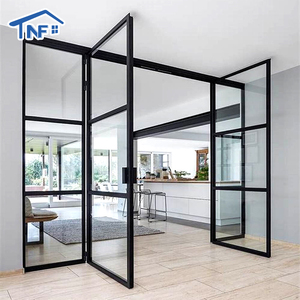
Modern Interior Aluminium Glass Arched French Doors NFRC Casement
Contact Us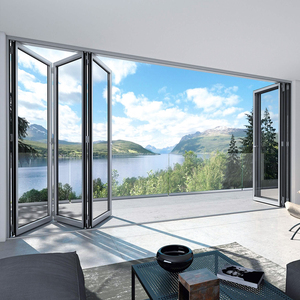
YY Facades Outdoor Exterior Bifold Doors Modern Designs Aluminum Alloy Double Tempered Glass
Contact Us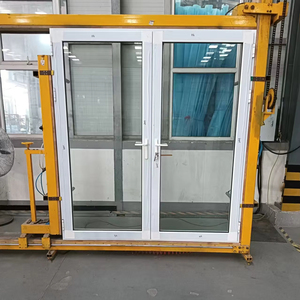
China Manufacturer Swing Open Aluminium Glass French Doors Double Panel Exterior
Contact Us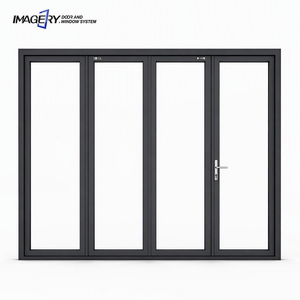
Modern Aluminum Alloy Tempered Glass Waterproof Sliding Bifold Accordion Door
Contact Us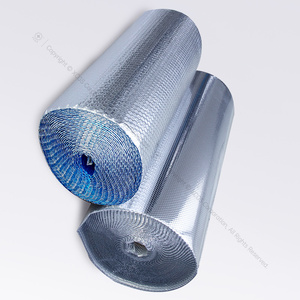
Custom Thickness Aluminum Foil Bubble Rolls Window Wraps Insulation Wrap
Contact Us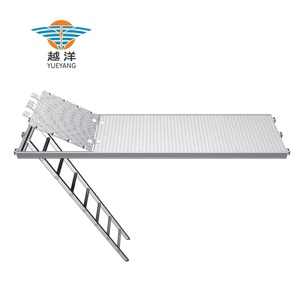
Aluminium Scaffold Trap Door Deck With Ladder for Construction Use
Contact Us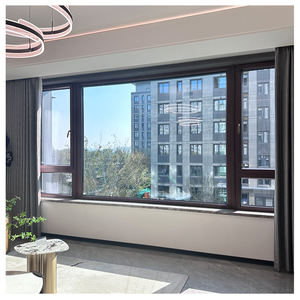
Aluminum-Clad Timber Window PHI EnerPHit Ready Uw≤0.8 W/m²K ROTO Hardware
Contact Us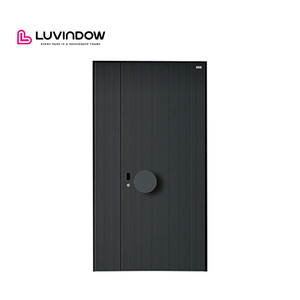
Luvindow Aluminum Doors for House Security Front Entrance Door With Smart Lock
Contact UsIndustry Whitepaper: Sourcing High-Performance Aluminium Mesh Doors
In modern residential, commercial, and hospitality architecture, the demand for security mesh doors crafted with engineered aluminium frames has grown exponentially. Overseas buyers, architects, and structural engineering contractors require solutions that combine ventilation, insect protection, structural integrity, and anti-theft capabilities without compromising visual aesthetics.
Anti-Impact Security Engineering
High-tensile stainless steel mesh (304 or 316 grade) paired with reinforced 6063-T5 aluminium profiles provides unmatched protection against forced entry, knife shears, and impact stress.
Thermal Isolation & Ventilation
Integrating polyamide thermal breaks (PA66 GF25) into the mesh door chassis drastically minimizes heat transfer while enabling natural cross-ventilation, cutting HVAC operational costs.
Ultra-Narrow Sightlines
Precision CNC corner crimping and concealed frame geometry ensure maximal clear glass and mesh surface areas, adhering to contemporary minimalist architectural design guidelines.
Enterprise Capabilities & Technical Superiority
As a recognized leader in precision-engineered aluminium window and door systems, our manufacturing facility operates under strict international engineering standards. We bridge architectural vision and structural performance through systematic quality control.
| Performance Dimension | Standard Market Specification | Meric Window OEM/ODM Manufacturing Standard | Engineering Benefit for Procurement |
|---|---|---|---|
| Aluminium Alloy Temper | Recycled aluminium / Commercial grade | Primary 6063-T5 / T6 Extruded Aluminium | Higher structural rigidity, resistance to frame deflection, superior surface anodization. |
| Security Mesh Grade | 201 Stainless Steel / Wire Mesh | 304 / 316 Marine Grade Stainless Steel (0.8–1.0mm) | Extreme corrosion resistance in coastal regions, passes shear and impact tests. |
| Frame Surface Finish | Basic Spray Painting | AkzoNobel Powder Coating / Fluorocarbon (PVDF) | UV resilience, anti-fading guaranteeing 15–20 years of color integrity. |
| Locking Hardware | Single Latch Mechanism | Multi-Point Mortise Locks & Smart Biometric Integration | Enhanced anti-pry security, airtight sealing against dust, rain, and insects. |
| Weatherproofing Seals | Standard PVC Gaskets | Continuous EPDM Double/Triple Sealing Strips | Long-term elastic retention, sound dampening, and superior water tightness. |
Global Sourcing & Future Procurement Trends (2025–2030)
Navigating international supply chains requires a thorough understanding of evolving structural regulations, energy efficiency benchmarks, and security technology trends. B2B buyers must evaluate suppliers based on quantifiable performance markers.
1. Integration of Thermal-Break Security Profiles
Historically, mesh security screen doors were installed as secondary barriers over existing entrances. Modern procurement shifts toward unified single-frame thermal break mesh door systems. By combining polyamide (PA66) thermal insulation strips inside the heavy-duty extrusions, factories produce integrated systems that fulfill green building codes (NFRC, PHI EnerPHit) while offering high-level physical security.
2. Smart Automation & Concealed Hardware
Automation is reshaping modern entrances. Top aluminium door factories are embedding motorized lift-and-slide controls, concealed hinges, magnetic locking latchways, and smart access (biometric, RFID, mobile app integration) directly into profile chambers. Overseas project buyers favor suppliers offering pre-wired profile tracks and standardized hardware cutouts.
3. High-Salinity & Coastal Environment Coatings
With luxury coastal developments booming in North America, Australia, the Middle East, and Southeast Asia, standard powder coatings often degrade rapidly due to salt fog oxidation. Future-ready suppliers utilize 316-grade marine stainless steel mesh paired with 50-micron PVDF fluorocarbon coatings capable of withstanding over 3,000 hours of neutral salt spray testing (ASTM B117 compliance).
Frequently Asked Sourcing & Technical Questions (FAQ)
Answers to essential technical and commercial questions raised by international procurement managers, developers, and architects.
Request Engineering Guidance & Factory-Direct Quotations
Connect directly with our senior fenestration engineers to evaluate your window schedule, analyze structural specifications, and receive competitive manufacturer pricing for your upcoming global developments.
Contact Us