High-Performance Aluminium Safety Doors & Architectural Windows
Engineered for global procurement standards, combining 6063-T5 structural durability, European thermal break performance, advanced multi-point security hardware, and extreme weather endurance.
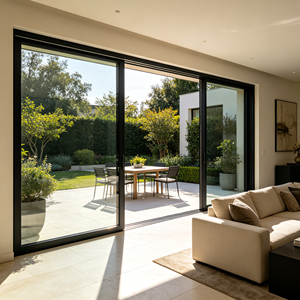
- Standard: AS2047 & AS1288 Certified
- Seal: Continuous EPDM Weather Stripping
- Glazing: Double Toughened Safety Glass
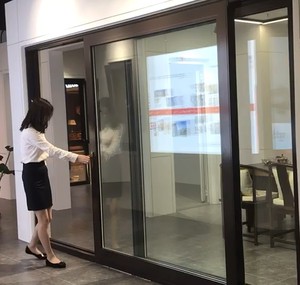
- System: Lift & Slide Heavy Duty Rollers
- Insulation: Polyamide PA66 Thermal Strip
- Load Capacity: Up to 400kg per sash
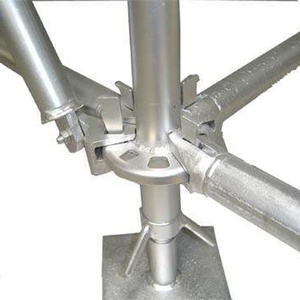
- Safety Standard: EN1004 Industrial Grade
- Alloy: High Yield Structural Aluminium
- Surface: Non-slip deck with auto-lock hatch
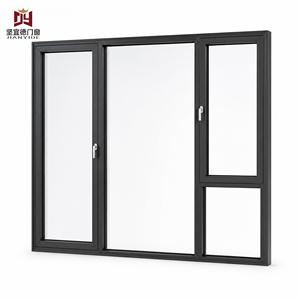
- Certification: CE & ISO9001 Compliance
- Hardware: European Multi-point Gearbox
- Security: Integrated Stainless Steel Mesh
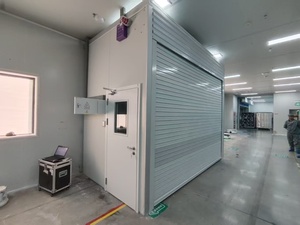
- Rating: High-Temperature Fire Resistant
- Drive: Automated Motorised Panic Release
- Application: Commercial Malls & Hotels
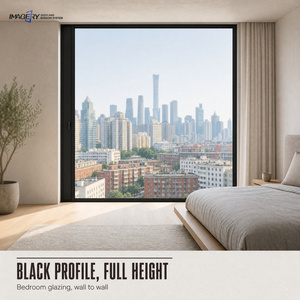
- Security: Anti-Burglar RC2/RC3 Rated
- Airflow: Integrated Micro-ventilation
- Frame: Reinforced Thermal Extrusion
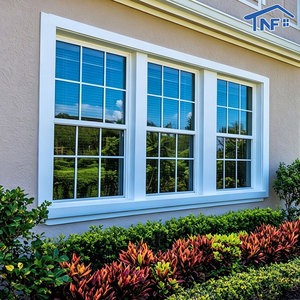
- Rating: NFRC Energy Star Compliant
- Acoustics: STC Rating up to 42 dB
- Balance: Heavy Duty Spiral Counterbalance
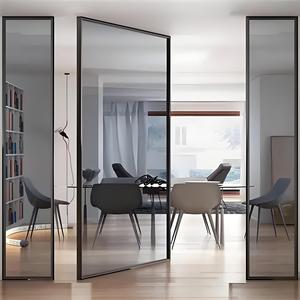
- Impact: Miami-Dade Hurricane Tested
- Hinge: Floor Spring Heavy Pivot Hinge
- Sightline: Ultra-Narrow Architectural Profile
Why Global Developers & Architects Trust Meric Window Systems
Meric Window Systems Co., Ltd. operates at the intersection of precision metallurgic engineering, custom structural fabrication, and stringent international compliance. We don't just supply off-the-shelf profiles; we engineer bespoke safety door and window envelopes optimized for high wind loads, thermal extremes, and security compliance.
Precision 6063-T5 Extrusion Metallurgical Controls
All safety door profiles are extruded using primary 6063-T5 aluminium billet. Our strict artificial aging standard delivers optimum tensile strength (≥ 185 MPa) and yield strength (≥ 145 MPa), guaranteeing structural resilience against physical impact and violent weather conditions without warping over decades of daily operations.
Advanced Polyamide PA66 Thermal Insulation
To meet zero-carbon building energy mandates, our thermal break safety doors utilize German-engineered PA66-GF25 (25% glass fiber reinforced) polyamide insulation bars. This effectively stops thermal bridges, dramatically lowers HVAC load coefficients, and minimizes condensation risk in high humidity or cold climatic zones.
Forced-Entry Protection & Multi-Point Locks
Equipped with integrated multi-point locking gearboxes, anti-lift security pins, and optional 304/316 stainless steel security mesh netting. Systems undergo strict anti-burglar testing (compliant with EN 1627 RC2/RC3 requirements), securing commercial entries, luxury villas, and critical public infrastructure.
Ultra-Narrow Sightline Minimalist Architecture
Our flagship JW157 and FW142 systems engineered minimal visible interlocks down to 20mm–30mm without compromising structural moment of inertia. By combining reinforced internal mullions with structural silicone glazing, we deliver panoramic unobstructed views alongside extreme structural integrity.
100% Pre-Shipment Quality Testing Protocol
Prior to export packaging, every manufactured order undergoes rigorous shop-floor quality inspection: dimensional tolerance verification, corner crimping pull-tests, EPDM seal alignment, lock engagement testing, and structural air/water tightness checks matched to project spec sheets.
Export-Grade Steel & Wooden Crate Packing
International freight demands rugged protection. Finished units feature surface-protective film, rubber corner guards, high-density EPE foam wrapping, and are secured inside heavy-duty steel-framed wooden crates labeled clearly to align with your job-site installation schedules.
Global Procurement Trends: The Next-Gen Aluminium Safety Door Market (2025–2030)
As international building codes push towards net-zero carbon footprints, severe weather resilience, and elevated personal security, procurement managers and B2B buyers must adapt to five key technology shifts in aluminium safety door manufacturing:
1. Convergence of Structural Security & Minimal Sightlines
Historical safety doors relied on heavy steel bars and thick frames, sacrificing aesthetics. Modern architectural demand centers on minimal frame profiles featuring heavy-duty structural silicone glass bonding, internal titanium-alloy reinforcement plates, and concealed hardware that resist forced entry while preserving architectural transparent elegance.
2. Smart Electromechanical Access Control Integration
Safety doors are evolving into active security hubs. Global buyers increasingly specify factory-integrated smart access locks—including biometric fingerprint scanners, motorized multi-point deadbolts, RFID keypads, and smart-home protocol integrations (Zigbee/Matter/KNX)—pre-wired during factory profile extrusion.
3. Ultra-Low U-Factor & High-Performance Thermal Barriers
With international energy efficiency standards tightening (such as ASHRAE 90.1, EU Energy Performance of Buildings Directive, and Australia's NCC), procurement now favors safety doors with multi-chamber thermal breaks and triple-pane Low-E insulated glass units (IGUs) achieving overall door U-factors below 1.2 W/m²K.
4. Extreme Weather & Hurricane Impact Engineering
Climate change has accelerated demand for hurricane impact-rated safety doors across coastal regions (Caribbean, Florida, Southeast Asia, Australia). Modern safety doors incorporate laminated structural interlayers (PVB/SGP) and high-load structural pivot hinges tested against severe cyclic wind pressure and flying debris impacts.
Material Science Evolution: Profile Surface Finishing & Hardware Systems
The durability of export-grade aluminium safety doors depends heavily on material chemistry and surface treatments. Standard mill-finish aluminium quickly oxidizes in coastal or high-pollutant environments. Top trusted manufacturers now standardize on high-end surface finishes:
Fluorocarbon PVDF Powder Coating (AkzoNobel / PPG)
Applied via electrostatic spraying with a 3-coat system (70% PVDF resin ratio), delivering salt spray resistance exceeding 3,000 hours. Essential for beachfront villas and high-humidity tropical installations to prevent chalking and color degradation over 25+ years.
Architectural Anodizing (20–25 Micron Class 1)
Electrochemical conversion coating creating an ultra-hard metallic aluminum oxide surface film. High abrasion resistance (HRC 60+ equivalent surface) ideal for commercial emergency exit doors and high-traffic shopping mall entrances.
Stainless Steel 316 Concealed Hardware
To eliminate hardware failure, friction stays, corner gears, and hinges are constructed from marine-grade SUS316 stainless steel, protecting against galvanic corrosion when in contact with extruded aluminium profiles.
Aerogel-Infused Extrusion Insulation Cavities
Next-generation thermal profiles inject aerogel insulation into the polyamide profile chambers, lowering thermal conductivity to thermal conductivity values under 0.015 W/m·K for arctic climate envelope protection.
B2B Specifier Technical Performance Matrix
| Safety Door System Category | Acoustic Insulation (STC) | Security Rating | Thermal U-Value Range | Target Architectural Application |
|---|---|---|---|---|
| Panoramic Minimalist Sliding Door (JW157) | 38 – 42 dB | RC2 Burglar Proof | 1.2 – 1.6 W/m²K | Luxury Villas, Resort Terraces, Penthouses |
| Lift & Slide Heavy Duty System | 40 – 45 dB | RC3 Forced-Entry Rated | 1.0 – 1.4 W/m²K | Coastal Residences, High Wind Load Facades |
| Hurricane Impact Architectural Pivot Door | 36 – 40 dB | Miami-Dade Impact / RC4 | 1.4 – 1.8 W/m²K | Main Entry Doors, High-End Commercial Entrances |
| Commercial Electric Emergency Exit Rolling Door | 25 – 30 dB | Fire & Smoke Rated (2-4 hrs) | 2.2 – 2.8 W/m²K | Shopping Malls, Hotels, Industrial Warehouses |
| Thermal Break Tilt & Turn Window Door | 42 – 48 dB | RC3 Burglar Proof | 0.8 – 1.2 W/m²K | European Residential Projects, Cold Climates |
Aluminium Safety Door Sourcing FAQs
Direct answers to technical, logistical, and compliance questions asked by overseas contractors, architects, and B2B buyers.
What structural alloy grade is essential for hurricane and safety door manufacturing?
Primary 6063-T5 aluminium alloy is the industry standard for architectural doors and windows due to its ideal balance of tensile strength, corrosion resistance, and extrusion precision. For severe hurricane impact doors, structural mullions are further reinforced with internal T6 temper extrusions or stainless steel stiffeners.
How do polyamide thermal break strips improve safety door longevity?
Polyamide (PA66-GF25) strips mechanically lock the inner and outer aluminium profiles together while creating a non-conductive barrier. This prevents heat transmission between interior and exterior spaces, prevents structural warping caused by extreme thermal expansion differentials, and eliminates interior frame sweating.
Can doors be customized to regional building code standards (AS2047, CE, NFRC)?
Yes. As an export-oriented manufacturer, our systems are pre-tested and engineered to meet target market requirements, including Australian AS2047/AS1288, European CE (EN 14351-1), North American NFRC energy ratings, and AAMA wind-water structural pressure standards. Project shop drawings are reviewed prior to production.
What information is required to receive a detailed engineering quote?
To provide accurate project pricing and wind load validation, please supply: 1) Architectural elevation drawings or window/door schedules, 2) Preferred glass specification (e.g., double Low-E, laminated impact glass), 3) Hardware and surface finish preferences, and 4) Project site location for environmental wind pressure calculations.
How are heavy oversize glass safety doors safely packaged for ocean freight?
Door systems are fully inspected, disassembled or unitized based on container dimensions, wrapped in scratch-resistant protective film and EPE foam, and encased inside heavy-duty steel-reinforced wooden crates. Each crate features corner shock absorbers, moisture desiccant bags, and clear opening schedule labels for job-site identification.
What maintenance is required for aluminium safety doors in coastal regions?
With PVDF fluorocarbon coatings or high-micron anodized finishes, maintenance is minimal. Periodic washing of track drainage channels and rinsing of exterior aluminium surfaces with fresh water every 3–6 months prevents salt crystal accumulation and preserves smooth hardware operation indefinitely.