Precision Double Glazed Aluminium Systems
Engineered for structural resilience, tropical rain protection, high-altitude UV resistance, and thermal efficiency across Ethiopian building projects.
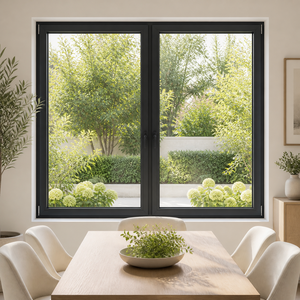
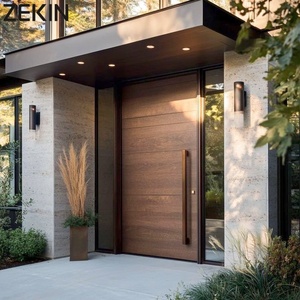
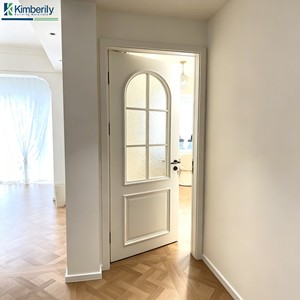
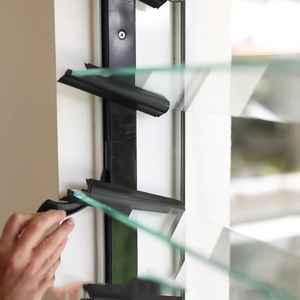
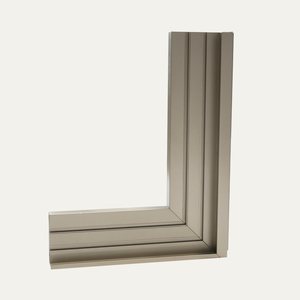
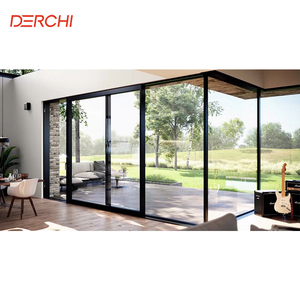
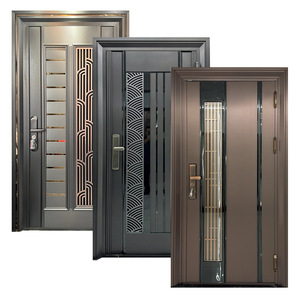
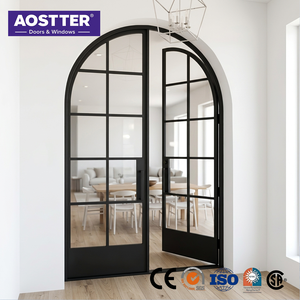
Architectural Glazing Dynamics in the Ethiopian Construction Sector
Ethiopia's rapid urban expansion across Addis Ababa, Hawassa, Adama, and Dire Dawa has triggered a paradigm shift in architectural facade specifications. High-density commercial districts like Bole, Kazanchis, and the CMC residential corridor require fenestration systems engineered for structural longevity, intense atmospheric solar exposure, and acoustic dampening. As an established global double-glazed aluminium door manufacturer, our technical framework directly bridges international structural compliance with local Ethiopian construction requirements.
Technical Insight: High-altitude solar radiation in Addis Ababa (over 2,350 meters above sea level) accelerates standard powder coating degradation. Our profiles utilize architectural-grade 6063-T5 aluminum extruded with Qualicoat Class 2 fluoropolymer coatings, ensuring zero chalking or color shift over 25+ years.
Procuring architectural aluminium double-glazed doors for Ethiopian projects involves navigating microclimatic challenges, structural wind loads during the Kiremt monsoon season, and strict import logistics via the Port of Djibouti corridor. This technical guide delivers complete transparency into material composition, thermal-break engineering, customs documentation, and performance benchmarks necessary for commercial real estate developers, chief architects, and main contractors.
Localized Engineering Adaptations for Ethiopian Microclimates
Architectural facade systems must withstand extreme diurnal thermal swings, high UV intensity, and intense seasonal torrential rain.
Diurnal Thermal Swing Mitigation
Addis Ababa experiences thermal variation exceeding 18°C within a 12-hour period. Our polyamide PA66-GF25 thermal breaks decouple inner and outer profile frames, preventing structural warping, seal rupture, and interior micro-cracking caused by expansion differential.
Monsoon Water Tightness (Kiremt)
Heavy rains present severe water ingress risks for high-rise facades. Engineered pressure-equalized drainage tracks, combined with continuous ternary EPDM weather-stripping gaskets, maintain watertight integrity tested up to 600 Pa under driving precipitation.
Urban Sound Isolation (Acoustic Barriers)
With rapid urban infrastructure growth near light-rail corridors and major arterial roads (such as Ring Road and Bole Road), double glazed argon-filled Low-E glass units (6mm + 12Ar + 6mm) reduce ambient city noise by up to 45 decibels.
Standardized Engineering Specifications
Compare physical performance indicators for structural submission to Ethiopian infrastructure authorities (EBCS compliance).
| Door System Category | Profile Wall Thickness | Thermal Insulation (U-Value) | Glazing Specification | Wind Load Resistance | Primary Ethiopian Application |
|---|---|---|---|---|---|
| Panoramic Heavy Sliding Doors | 2.0mm - 3.0mm | 1.5 W/m²K | 6mm + 12Ar + 6mm Toughened Low-E | Class C5 (3.0 kPa) | Luxury Residential Villas (CMC, Old Airport) |
| Thermal Break Casement / Swing | 1.4mm - 2.0mm | 1.4 W/m²K | 5mm + 14Ar + 5mm Double Laminated | Class C4 (2.5 kPa) | Commercial Office Towers (Kazanchis, Bole) |
| Luxury Heavy Pivot Doors | 2.5mm - 3.0mm | 1.8 W/m²K | 8mm + 12Ar + 8mm Insulated Unit | Class C4 (2.5 kPa) | Main Hotel & Institutional Entrances |
| Crittall-Style Slim French Doors | 1.4mm - 1.8mm | 2.1 W/m²K | 5mm + 9Ar + 5mm Tempered Glass | Class C3 (2.0 kPa) | Interior Partitions & Boutique Retail |
| Bi-Fold Stacker Door Systems | 2.0mm | 1.6 W/m²K | 6mm + 12Ar + 6mm Double Glazed | Class C4 (2.5 kPa) | Resort Patios & Restaurant Facades |
Advanced Manufacturing Integrity & Quality Control
Our state-of-the-art production plant operates under ISO 9001 quality management systems, utilizing CNC automated double-head cutting saws, corner-crimping machinery, and computerized glass sealing lines. Every custom frame and glazed door unit destined for export to Ethiopia undergoes rigorous factory acceptance testing (FAT) before container loading.
6063-T5 Grade Extrusion
Only primary aluminum billets are extruded to guarantee tensile strength exceeding 160 MPa. No recycled scrap aluminum is permitted in structural frame extrusions.
German Hardware Integration
Equipped with premium multi-point hardware systems (Siegenia, Hoppe, or certified direct OEM hardware) providing anti-lift security, smooth operational cycles (tested to 100,000 openings), and robust corrosion resistance.
Heavy Export-Ready Packaging
Doors are wrapped in scratch-resistant protective film, fitted with impact-absorbing corner protectors, and securely packed in fully sealed fumigated wooden crates or custom steel shipping racks designed for container sea freight.
Ethiopian Import Logistics & Procurement Framework
A step-by-step technical guide for Ethiopian contractors, real estate developers, and international procurement agencies.
Navigating Trade Logistics: From Factory to Project Site
Importing structural building materials into Ethiopia requires precise documentation to ensure seamless clearance at the Ethiopian Customs Commission and efficient freight transit along the Ethio-Djibouti transport corridor.
Key Procurement Note: We provide full documentation suites compliant with National Bank of Ethiopia (NBE) Foreign Exchange allocation requirements and Commercial Bank of Ethiopia (CBE) Letter of Credit (L/C) conditions.
1. CAD Shop Drawing Approval
Our engineering office produces complete CAD elevations, cross-sectional details, and anchoring points tailored to your structural concrete openings before manufacturing begins.
2. Banking & L/C Compliance
Issuance of itemized Proforma Invoices matching HS Codes (e.g., HS 7610.10 for Aluminium Doors & Windows) to streamline bank approval, CAD clearance, and import tax verification.
3. Shipping via Port of Djibouti
Direct ocean sea freight routes from primary ports (Ningbo/Shanghai) to Djibouti Port. Containers transition seamlessly to truck freight or the Ethio-Djibouti Railway toward Modjo Dry Port or direct Addis Ababa delivery.
Frequently Asked Questions for Sourcing in Ethiopia
Addressing core technical, financial, and logistical queries from Ethiopian project managers and architects.
Partner with a Leading Global Aluminium Door Manufacturer
Get direct factory pricing, structural calculation support, and technical shop drawings for your upcoming building projects in Ethiopia.