Precision-Engineered Window & Door Systems
Explore our export-grade aluminum composite and timber-clad window solutions optimized for structural integrity, energy efficiency, and luxury architectural aesthetics.
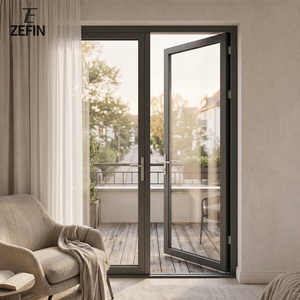
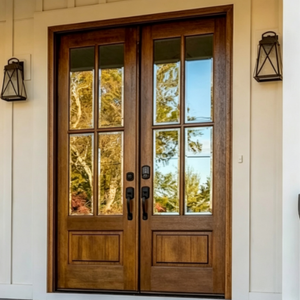
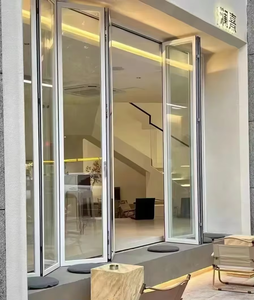
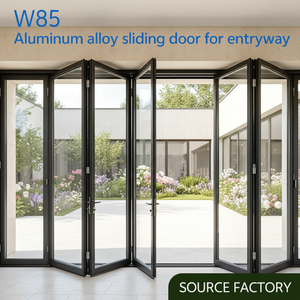
Engineering Aluminum-Clad Wood Fenestration for Central Asia
An analytical overview of structural envelope adaptation, thermal bridging mitigation, and material selection for Uzbekistan's unique geographic and climatic profile.
1. The Microclimate Challenge of Uzbekistan: High Solar Radiation & Extreme Diurnal Fluctuation
Uzbekistan presents one of the most demanding climatic environments in Eurasia for fenestration engineering. Characterized by an extreme continental climate (Köppen climate classification BSk/BWk), regions such as Tashkent, Samarkand, Bukhara, and the Fergana Valley experience severe thermal shifts. Summer temperatures routinely exceed +45°C under intense ultraviolet exposure, while winter temperatures can drop to -20°C. Furthermore, diurnal temperature swings can fluctuate by up to 25°C within a single 24-hour cycle.
Standard architectural materials often fail under these conditions. Conventional Unplasticized Polyvinyl Chloride (uPVC) frames suffer from high thermal expansion coefficients, causing frame warping, air seal degradation, and yellowing from severe UV radiation. Conversely, uninsulated or poorly designed aluminum frames create massive thermal bridges, resulting in interior condensation during freezing winters and excessive HVAC energy loads during blistering summers. Pure solid timber windows, while offer superior thermal insulation, are prone to exterior surface cracking, desiccation, and rot due to dry desert winds and seasonal humidity shifts.
2. The Aluminum-Clad Wood Structural Synergy
Aluminum-clad wood windows represent the optimal structural compromise for luxury residential developments, diplomatic compounds, and commercial landmarks across Uzbekistan. By combining two distinct structural materials into a cohesive composite assembly, the system leverages the structural advantages of both elements while eliminating their isolated vulnerabilities:
- Exterior Defense (Structural Aluminum Shielding): The exterior side utilizes heavy-duty extruded 6063-T5/T6 aluminum alloy profile with a minimum wall thickness of 1.8mm to 2.2mm. Finished with AkzoNobel fluorocarbon (PVDF) powder coating or anodized finishes, the aluminum envelope resists harsh solar radiation, blowing sands, and atmospheric pollutants without chalking or corroding.
- Interior Core (Thermal & Aesthetic Natural Timber): The interior structure consists of multi-layer finger-jointed laminated timber (typically Larch, European Oak, or Pine). Solid wood possesses a extremely low thermal conductivity ($\approx 0.13 \text{ W/m}\cdot\text{K}$), offering natural thermal break capabilities while bestowing interior spaces with organic warmth and architectural sophistication.
- Independent Thermal Movement (Snap-on Fastening Clips): Because aluminum expands at roughly twice the rate of natural wood under thermal stress, direct bonding causes structural buckling. Our engineering incorporates high-strength Nylon/Polyamide (PA66) floating clips. These connection clips maintain a 5mm-8mm ventilation cavity between wood and aluminum, allowing independent expansion/contraction while preventing moisture accumulation behind the metal cladding.
Thermal Resistance (KMK Compliance)
Meets and exceeds Uzbekistan KMK 2.01.04-97 building envelope insulation mandates. Integrated thermal breaks ensure heat transfer coefficients down to Ug 0.6 W/m²·K.
Dust & Sandstorm Sealing
Triple-sealed continuous EPDM gasket loops create a pressurized seal, preventing airborne fine dust particles (PM2.5/PM10) common in Central Asia from penetrating interior spaces.
Structural Wind Load Capacity
Engineered for high wind pressures up to Class C5 (EN 12210), crucial for mid-rise and high-rise developments in Tashkent City's modern urban center.
Performance Comparison Matrix
Evaluating fenestration systems under Central Asian climate stressors.
| Performance Metrics | Aluminum Clad Wood (Meric) | Standard Thermal Break Aluminum | Standard uPVC Profile |
|---|---|---|---|
| Thermal Transmittance (U-Value) | 0.7 - 1.1 W/m²·K (Superior) | 1.4 - 2.0 W/m²·K (Moderate) | 1.3 - 1.8 W/m²·K (Moderate) |
| Acoustic Insulation (Soundproofing) | 38 - 46 dB (High Mass Density) | 30 - 36 dB (Hollow Echo) | 32 - 38 dB (Moderate) |
| UV & Weathering Longevity | 50+ Years (PVDF Shielded) | 30-40 Years | 10-15 Years (Risk of Discoloration/Brittle) |
| Thermal Expansion Coeff. ($\alpha$) | Very Low (Timber Stabilized) | Medium ($23 \times 10^{-6} /\text{K}$) | High ($80 \times 10^{-6} /\text{K}$) |
| Interior Aesthetic Grade | Luxury Real Wood Grain | Industrial / Metallic Paint | Plastic / Laminated Foil |
| Structural Integrity for Large Spans | Exceptional | High | Low (Requires Heavy Steel Reinforcement) |
Tailored Fenestration Solutions Across Uzbekistan Project Sectors
From modern high-rises in Tashkent to heritage developments in Samarkand, our engineered systems meet specialized regional architectural briefs.
1. Luxury Private Estates & Villas in Mirabad & Yakkasaray
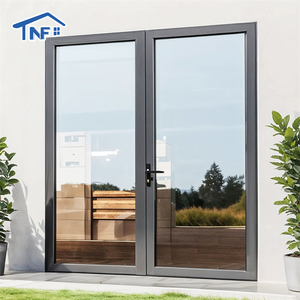
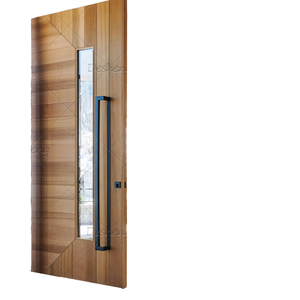
High-end residential projects in Tashkent’s premier districts demand expansive glass apertures without compromising indoor thermal comfort. Our German-style inward tilt-and-turn aluminum clad wood windows deliver effortless micro-ventilation while providing multipoint security locks. Interior oak and pine finishes seamlessly match luxury parquet floors and interior millwork.
2. High-Rise Commercial & Residential Towers in Tashkent City
Modern skyscraper envelopes require low structural weight, extreme wind resistance, and low solar heat gain (SHGC ≤ 0.28). Our aluminum-clad wood curtain wall combinations and large-span lift-and-slide patio doors allow floor-to-ceiling panoramic views over central Tashkent, shielding occupants from ambient city noise and solar glare.
3. Boutique Hotels & Heritage Resorts in Samarkand & Bukhara
Hospitality developments catering to international tourism require authentic visual warmth combined with maintenance-free exterior durability. Interior timber frames preserve traditional Silk Road architectural aesthetics, while exterior powder-coated aluminum cladding stands impervious to intense sunlight and airborne dust storm abrasions.
4. Mountain Retreats & Resorts in Chimgan & Charvak
Sub-zero winter conditions and heavy snowfall in Uzbekistan's mountainous regions necessitate window systems with exceptional air-tightness (Class 4 EN 12207) and low condensation potential. Our triple-glazed argon-filled insulated units eliminate cold drafts and prevent ice formation on interior glass surfaces.
Frequently Asked Questions by Uzbekistan Buyers
Addressing regulatory compliance, custom duties, logistics, and technical specifications for importers, architects, and main contractors.
Our aluminum-clad wood windows are engineered specifically for high thermal stress environments. The exterior aluminum profile reflects solar radiation and protects the internal timber core. Crucially, our structural design features a nylon floating clip connection that leaves a ventilated air space between the aluminum and wood. This allows the aluminum cladding to expand under thermal pressure without transferring stress to the wood frame, preserving structural alignment, preventing frame warping, and maintaining perfect airtight sealing even during severe heatwaves.
We primarily recommend high-density Siberian Larch, European Oak, or Scots Pine. Siberian Larch is particularly suitable for Central Asia due to its natural high resin content, exceptional density, and resistance to humidity fluctuations. All timber profiles undergo a rigorous 6-stage kiln-drying process, stabilizing the wood moisture content strictly between 8% and 12%. This precise moisture control ensures the wood will neither contract nor warp when exposed to Uzbekistan's dry summer air.
We provide comprehensive technical submittals required for project approval in Uzbekistan, including Certificates of Origin (Form A / CO), ISO 9001 quality management certificates, CE compliance documentation, and test reports for thermal transmittance (U-value), acoustic insulation (dB), air permeability, and wind pressure resistance corresponding to GOST 23166-99 and KMK 2.01.04-97 standards. Full shop drawings and structural calculations are supplied prior to manufacturing.
We operate direct multimodal export logistics to Uzbekistan. Cargo is packed in export-grade, fully enclosed, moisture-proof wooden crates reinforced with steel strapping. Shipments are dispatched via international direct freight trains (China-Europe / China-Central Asia Express via Khorgos / Altynkol border posts) directly to Tashkent (Commodity Code HS 7610.10). Typical transit time from our manufacturing plant to custom clearance in Tashkent is 15 to 22 days, with production lead times generally taking 30 to 35 days based on order customization.
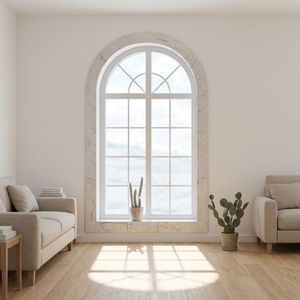
Yes. As an OEM/ODM manufacturing exporter, we produce fully customized window shapes (including gothic arches, trapezoids, round windows, and curved curtain walls) matched to project drawings. We supply premium European hardware suites (such as Roto Frank, Siegenia, and Hoppe) with optional concealed hinges, multi-point anti-burglary locking pins, and child-safety locks suited for luxury residences and hotels.
Every window unit is pre-assembled, factory-tested, and tagged with individual code numbers matching the project’s window schedule drawings. We provide detailed installation manuals, 3D CAD anchor detail blueprints, step-by-step video installation guides, and remote technical support via video call with our senior fenestration engineers to ensure seamless installation on site.
Enterprise Manufacturing Strength & Quality Assurance
Delivering world-class engineering precision from advanced automated manufacturing lines straight to your project site in Central Asia.
German CNC Precision Automated Lines
Our manufacturing plant features 5-axis CNC machining centers, automated corner crimping, and high-precision double-head mitering saws to guarantee dimensional tolerance within ±0.5mm on all custom units.
100% Pre-Shipment Quality Testing
Every window unit undergoes rigorous testing prior to crate packing, including air permeability pressure testing, corner joint strength checks, hardware cycle testing (over 20,000 operations), and glass seal inspection.
Reinforced Export Packaging Guarantee
Products are wrapped in protective polyethylene anti-scratch film, corner-protected with high-density EVA foam, and fully enclosed in ISPM 15 compliant fumigated solid wooden cases engineered for long-haul rail and truck logistics.
Ready to Elevate Your Architectural Project in Uzbekistan?
Contact our engineering consultation team today for technical shop drawings, U-value calculation submittals, and factory-direct project pricing.