CE Certified Aluminium Louvre Door & Window Series
Precision-engineered shutter and louver systems manufactured to EN 13659 and EN 14351-1 European standards, optimized for Philippine typhoon zones and humid coastal environments.
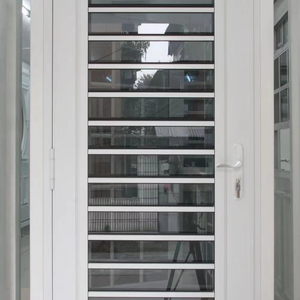
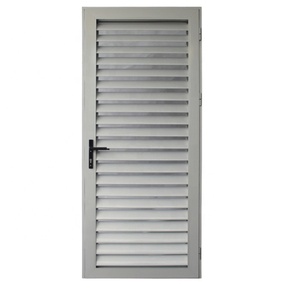
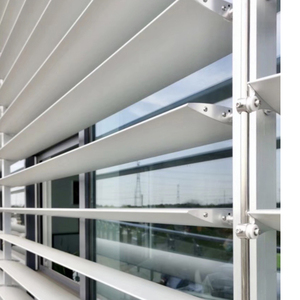
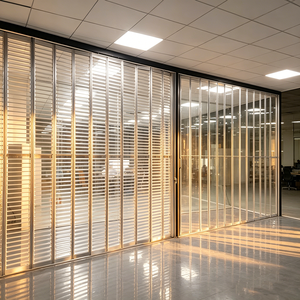
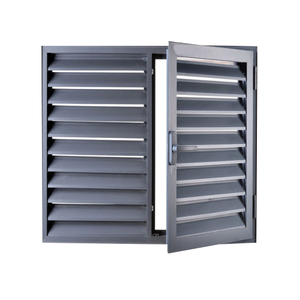
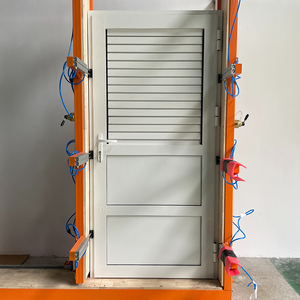
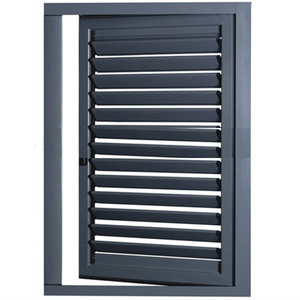
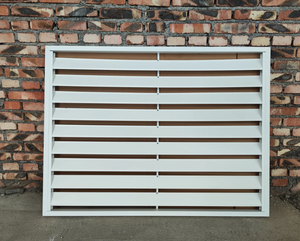
1. Architectural Technical Specifications: Sourcing CE Certified Aluminium Louvers for Metro Manila
Procuring exterior structural elements for building projects in Metro Manila requires strict compliance with performance criteria dictated by tropical coastal meteorology and Philippine structural guidelines. As direct-to-factory suppliers, our manufacturing lines strictly adhere to European Standards (CE Marking under EN 13659 for shutters and EN 14351-1 for windows and pedestrian doorsets), guaranteeing structural integrity under intense wind pressures and seismic activity.
Metro Manila, located along the typhoon belt of Western Pacific and bordering Manila Bay, faces unique environmental factors. Buildings in Bonifacio Global City (BGC), Makati Central Business District, Bay City Pasay, and Quezon City must handle high wind pressures, urban heat accumulation, atmospheric salt mist, and sudden monsoon deluges. Low-quality louver systems frequently experience blade vibration, water leakage, structural fatigue, and quick finish failure from severe UV exposure and airborne chlorides.
Key Technical Baseline for Philippine Sourcing Compliance:
All louver assemblies supplied to Metro Manila should specify T5 or T6 temper 6063 extruded aluminium alloy profiles, sealed with multi-point locking linkages and dynamic EPDM gasket interlocks capable of withstanding peak typhoon pressure up to 3,000 Pa (equivalent to Typhoon Signal No. 5 wind forces under NSCP 2015 recommendations).
2. Core Engineering Innovations in Architectural Louver Door Manufacturing
Modern commercial and high-end residential architecture demands louver systems that provide effective ventilation while offering full weatherproofing, noise reduction, and sun protection. Our CE-certified factories use state-of-the-art production technologies to deliver measurable performance improvements over conventional architectural shutters.
Aerodynamic Blade Profile
Engineered airfoil blade geometries minimize air resistance, providing up to 70% free airflow area while efficiently shedding horizontal, wind-driven rain.
C5-M Marine Coating
Pre-treated with chromate conversion and coated with 30-micron PVDF fluorocarbon paint, offering superior defense against salt spray corrosion along Manila Bay.
Multi-Point Security
Integrated heavy-duty gear transmissions with stainless steel 316 internal locking rods prevent unauthorized access through perimeter vents.
3. Technical Comparison Matrix: Aluminium Louver Types for Commercial Engineering
Choosing the correct louver configuration is essential to balance energy efficiency, building envelope waterproofing, and architectural style. Below is a engineering evaluation comparing the main structural louver door options supplied to Philippine contractors.
| System Type | Blade Mechanism | Airflow Free Area | Waterproofing Level | Primary Manila Application |
|---|---|---|---|---|
| Operable Glass Louver Doors | 0°–90° Rotatable Glass Blades | 75% – 85% | High (EPDM Dual Seal) | Luxury Condos, Balconies, Resorts |
| Extruded Aluminium Aerofoil Doors | Fixed or Motorized Pivot | 50% – 68% | Maximum (Storm Proof) | Commercial Facades, Plant Rooms |
| Acoustic Insulated Louver Doors | Dual-Skin Perforated Rockwool | 35% – 45% | Moderate to High | Generator Rooms, HVAC Enclosures |
| Security Mesh Shutter Doors | Fixed Blade + SS Mesh | 60% – 70% | Standard Weather Hood | Ground Floor Retail, Warehouses |
4. Localized Application Scenarios in Metro Manila & Surrounding Regions
Understanding local construction environments is key to optimizing building specifications across Metro Manila, Southern Luzon, and the Visayas regions. Below are real-world application models where our CE-certified louver products deliver immediate structural benefits.
BGC & Makati High-Rises
Used in high-rise MEP plant rooms and penthouse enclosures. Aerofoil louver doors maintain crucial ventilation for heavy HVAC systems while preventing rain ingress during tropical downpours.
Manila Bay & Coastal Hotels
Installed in waterfront luxury resorts in Pasay Bay Area, Batangas, and Palawan. Marine-grade C5 PVDF coatings prevent corrosion from brackish sea breezes while reducing air conditioning loads through natural cooling.
Industrial Hubs in Laguna & Cavite
Specified for logistics warehouses and electronics factories in industrial parks. Heavy-duty louver shutter doors provide secure, continuous airflow, lowering indoor ambient temperatures safely.
5. Sustainable Architecture Trends: BERDE & LEED Alignment in the Philippines
The Philippine green building market is growing rapidly, driven by the Philippine Green Building Council's BERDE (Building for Ecologically Responsive Design Excellence) rating system alongside international LEED v4 certification. Modern developments increasingly prioritize passive cooling and solar control over continuous, energy-intensive mechanical air conditioning.
Aluminium louver door systems serve a vital role in passive tropical cooling strategies. By placing adjustable glass or solid aerofoil louver doors on building facades exposed to prevailing wind directions (such as the *Habagat* southwest monsoon and *Amihan* northeast monsoon), architects can achieve optimal cross-ventilation. This significantly lowers overall energy use while ensuring structural safety during extreme weather.
Furthermore, our factory provides custom thermal break aluminium profiles containing low-emissivity (Low-E) double glazing or integrated PV solar louver blades. These modern options contribute toward achieving maximum green building credits under indoor environmental quality and energy performance categories.
6. Factory Production Standards, Quality Control & Manila Port Logistics
Importing architectural building envelope materials requires dependable factory quality control and reliable international shipping logistics. Our manufacturing processes include strict quality checks at every step of fabrication to ensure seamless site assembly upon delivery to the Philippines.
1. Precision CNC Fabrication
Extrusions undergo automated CNC cutting, milling, and corner-crimping within ±0.1mm tolerances, ensuring structural frame stability and precise gasket alignment.
2. Pre-Assembly Inspection
Every louver door assembly undergoes a 100% pre-shipment trial installation. Technicians inspect torque resistance, seal tightness, lock operation, and blade movement.
3. Protective Export Packaging
Units are wrapped in protective shrink film, fitted with corner edge guards, packed with desiccant packs, and secured inside fumigated plywood crates suitable for sea freight.
Shipments destined for Metro Manila are routinely dispatched directly to Manila South Harbor (Port Area, Manila) or Manila North Harbor. Standard sea freight transit time from our main manufacturing port ranges between 5 to 9 days, enabling reliable project scheduling for general contractors across Luzon.
7. Frequently Asked Questions (FAQ) for Manila Procurement Managers & Architects
Below are clear, engineering-focused answers to common technical, logistics, and compliance questions raised by project developers, procurement officers, and structural engineers in the Philippines.
How do your louver doors comply with the National Structural Code of the Philippines (NSCP)?
What surface coating treatment is recommended for projects near Manila Bay?
Can louver doors be customized with integrated insect screens and security grilles?
What is the standard production lead time and container shipping schedule for Manila?
Do you supply custom shop drawings for Philippine structural consultant approval?
What testing documentation is provided with direct B2B shipments?
Request Custom Engineering Drawings & Technical Catalog
Partner directly with a leading CE certified aluminium louver factory. Contact our project team for detailed pricing, CAD shop drawings, and structural specifications tailored for your Philippine construction project.
Get Catalog