Engineered Export Systems & Product Portfolio
Custom precision-built aluminium windows and doors manufactured in China for high-rise, luxury residential, and commercial developments in Singapore.
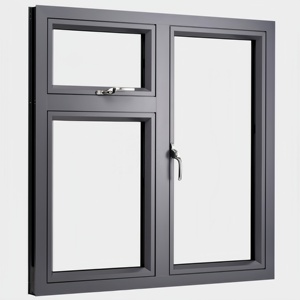
Customized Modern Louver Casement Window Large Aluminum Fixed Double Tempered Insulation Glass Soundproof Windproof Heat 5 Year
Contact Us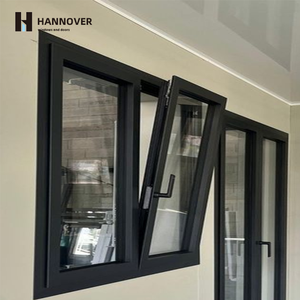
Double Glazed Aluminum Alloy Swing Casement Window Thermal Break System For Energy Efficient Villa Homes
Contact Us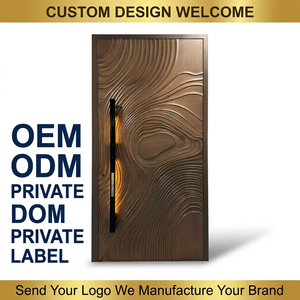
Luxury Cast Aluminum Villa Anti-theft Waterproof Security Door Modern Exterior Swing Hurricane Resistant Entry Door
Contact Us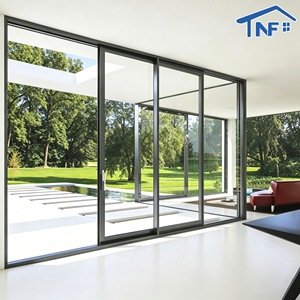
Sliding Door Modern House Aluminum Windows And Doors Design Triple Double Glass Sliding Doors For Outdoor & Interior Use
Contact Us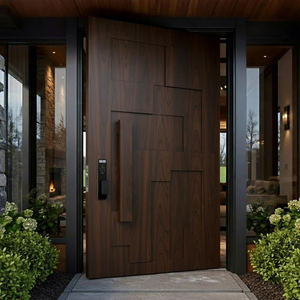
Modern Aluminum Pivot Entry Door Luxury Exterior Front Door Thermal Break Custom Size Double Glass OEM ODM Manufacturer
Contact Us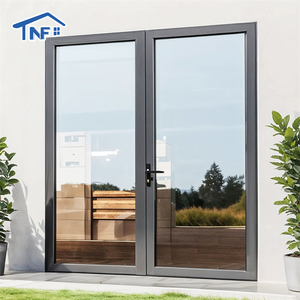
High Quality Factory Price French Doors Aluminum Casement Door Arrival French Entrance Door Exterior Glass Steel Graphic Design
Contact Us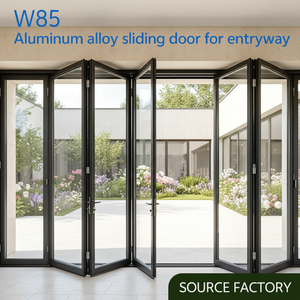
NFRC Aluminium Outdoor Accordion Door, Thermal Break Double Tempered Glass Exterior Bi-fold Sliding Patio Door
Contact Us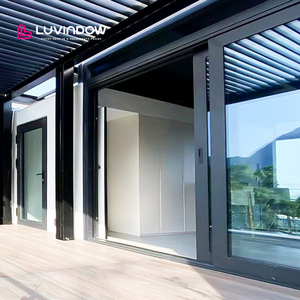
Hot Sell Energy Efficiency Custom Double Layered Tempered Glass Thermal Break Aluminum Lift Sliding Balcony Patio Doors
Contact UsExecutive Overview: Sourcing High-Performance Aluminium Tilt & Turn Systems for Singapore
Singapore’s built environment represents one of the most demanding tropical urban landscapes in the world. Characterized by sudden, intense monsoon downpours, sustained high humidity exceeding 85%, dense urban noise pollution, and stringent structural safety mandates enforced by the Building and Construction Authority (BCA), selecting the right fenestration system is a critical engineering decision. For property developers, facade consultants, main contractors, and luxury residential architects in Singapore, sourcing custom aluminium tilt & turn windows directly from leading Chinese manufacturers offers a strategic blend of European-grade mechanical precision, enhanced thermal performance, and unmatched cost efficiency.
Historically, tilt and turn window technology originated in North-Central Europe, engineered specifically to provide draft-free tilt ventilation during cold weather while enabling inward swing turn openings for safe interior glass cleaning. However, the modern architectural paradigm in Singapore has reimagined the tilt and turn window as a high-tech climate barrier. When engineered with thermal break profiles, multi-point perimeter locking systems, and acoustic laminated double glazing, these systems deliver exceptional rain tightness under high dynamic wind pressures, prevent solar heat gain, and drastically reduce Envelope Thermal Transmittance Value (ETTV) metrics required for BCA Green Mark Platinum certifications.
Micro-Climate Engineering & Singapore Building Standards (BCA) Compliance
When specifying aluminium windows for installation in Singapore—whether for landed housing developments along East Coast, Sentosa Cove waterfront villas, or high-rise commercial retrofit projects in Orchard Road—engineers must address three primary tropical challenges:
Monsoon Water Tightness (600Pa - 1000Pa)
Singapore experiences severe gusting squalls during the Northeast and Southwest Monsoons. Traditional sliding windows frequently leak at the bottom track during heavy wind-driven rain. Tilt and turn windows utilize continuous vulcanized EPDM gaskets and multi-point perimeter locking hooks that compress the sash uniformly against the frame, establishing a pressure-equalized drainage cavity tested to withstand over 750 Pascal water pressure without dynamic leakage.
ETTV Optimization & Solar Heat Reduction
Under BCA Green Mark criteria, commercial and residential envelopes must minimize thermal conductivity. By integrating 24mm to 34mm PA66GF25 (25% fiberglass reinforced polyamide) thermal break strips within 6063-T5 aluminum extrusions, thermal bridge transfer is interrupted. Combined with double Low-E argon-filled glass units (U-values < 1.4 W/m²K), air conditioning load is drastically reduced.
Urban Acoustic Isolation (STC 40+ dB)
High-density urban living in Singapore exposes occupants to heavy Expressway (PIE/CTE) traffic and MRT rail noise. Dual-seal tilt and turn sash mechanics eliminate air gaps, which are the primary path for airborne soundwaves. Adding acoustic PVB laminated glass panels effectively dampens low-frequency rumble, elevating interior comfort.
Fenestration System Performance Comparison Matrix for Singapore Developers
To assist facade engineering teams during early-stage system selection, the table below compares Aluminium Tilt & Turn Windows against standard regional window configurations across key architectural metrics.
| Performance Indicator | Aluminium Tilt & Turn Window | Traditional Sliding Window | Top-Hung Awning Window | Side-Hung Outward Casement |
|---|---|---|---|---|
| Air Infiltration (EN 12207) | Class 4 (Highest Seal) | Class 2 (Track Leakage Risk) | Class 3 (Moderate Seal) | Class 3/4 (Standard Seal) |
| Water Resistance (Pa) | 750 Pa - 1050 Pa | 150 Pa - 300 Pa | 450 Pa - 600 Pa | 500 Pa - 700 Pa |
| Acoustic Isolation (Rw/STC) | 40 dB - 45 dB | 28 dB - 32 dB | 34 dB - 38 dB | 35 dB - 39 dB |
| High-Rise Safety Cleaning | Inward Turn (100% Safe Inside) | Requires Exterior Access | Difficult Exterior Access | Dangerous Exterior Reach |
| BCA Green Mark ETTV Suitability | Exceptional (Low Thermal Bridge) | Poor (High Air Drafts) | Moderate | Good |
| Micro-Ventilation Ability | Secure Top-Tilt (Night Safe) | Partial Opening (Low Security) | Bottom Flare (Rain Leak Risk) | None (Full Swing Only) |
Anatomy of Premium Chinese Aluminium Tilt & Turn Systems
The operational superiority of a tilt & turn system relies on integrated mechanical design. Leading Chinese factories such as Meric Window Systems utilize state-of-the-art European drive-gear hardware combined with heavy-duty extrusion profiles designed specifically for high-load window openings.
1. Dual-Action Mechanics (Tilt vs. Turn): By turning the ergonomic single handle 90 degrees, the sash swings horizontally inward up to 180 degrees, permitting complete access to both interior and exterior glass surfaces for easy cleaning without risk to maintenance personnel. Rotating the handle 180 degrees upward engages the scissor-stay mechanism, tilting the top of the sash inward by 100mm to 150mm. This micro-ventilation mode allows hot ambient air to vent out while preventing rain ingress and preventing accidental child falls.
2. Profile Metallurgy & Surface Coatings: Profiles are extruded strictly from primary 6063-T5 or 6060-T66 aluminum billet with wall thicknesses ranging from 1.6mm to 2.2mm (exceeding residential minimums). To counter Singapore’s coastal saline environment, profiles undergo PVDF (Fluorocarbon 3-coat finish) or high-durability Qualicoat Class 2 powder coating, providing a 25-year anti-fading and anti-corrosion guarantee.
3. Concealed Hardware & Multi-Point Locking: Utilizing imported German hardware gear (such as Siegenia Titan AF or Roto NX) or premium heavy-duty Chinese hardware (Kin Long / CMECH), the perimeter of the window features mushroom-head locking cams spaced every 400mm. When closed, these cams pull the sash tightly against frame corner cleats, delivering burglar resistance up to RC2/RC3 standards.
B2B Procurement Workflow: From Guangdong Manufacturing Base to Pasir Panjang / Jurong Port
Procuring custom facade components internationally requires a seamless quality assurance and logistics roadmap. Below is the standard project execution path established by Meric Window Systems for Singapore building contractors:
1. CAD Shop Drawings & Calculation
Engineers analyze architectural elevation drawings, wind load calculations (SS EN 1991-1-4), and glass spec requirements to generate detailed CAD shop drawings for architect approval.
2. Sample & Mockup Verification
Full-scale window corner samples or complete visual mockups (VMU) are assembled and dispatched to Singapore for client tactile review and frame finish verification.
3. Precision CNC Manufacturing
Extrusions are processed on 4-axis automated CNC machine centers for exact hinge milling, corner crimping, and EPDM gasket insertion under ISO 9001 quality supervision.
4. Air & Water Pre-Shipment Inspection
Randomly selected production units undergo static water jet and air leakage testing on factory test beds before final glass unit assembly and hardware calibration.
5. Steel-Rack Fumigated Crating
Finished window sashes and frames are wrapped in protective polyethylene film, fitted with impact corner guards, and secured in heavy-duty steel A-frames or fumigated wooden crates.
6. Direct Sea Shipping & Site Delivery
Crates are loaded into 20GP or 40HQ containers at Guangzhou or Shenzhen ports, reaching Singapore in 5 to 7 transit days for direct clearance to project sites.
Frequently Asked Questions for Singapore Buyers & Developers
Q1: Do Chinese aluminium tilt & turn windows comply with Singapore BCA regulations?
Yes. Chinese manufacturers such as Meric Window Systems produce window profiles and glass units in strict adherence to British and European standards (BS/EN) which form the foundation of Singapore's BCA building codes. Structural shop drawings, glass stress analysis, and factory test reports (EN 12207 Air Permeability, EN 12208 Watertightness, EN 12210 Wind Load Resistance) are supplied for Professional Engineer (PE) endorsement in Singapore.
Q2: Can inward-opening tilt & turn windows accommodate Singapore's indoor window blinds and grilles?
Yes. When designing inward-opening sash systems, interior reveal depths must be considered. Modern solutions include built-in magnetic or motorized blinds integrated directly inside the double glass unit (Integrated Louver Glass), eliminating conflicts with internal curtains while providing zero-maintenance sun shading.
Q3: How do thermal break aluminium windows contribute to BCA Green Mark points?
Aluminium is an efficient thermal conductor. Unbroken aluminum frames transmit heat into air-conditioned interior spaces, raising cooling loads. Integrating PA66GF25 polyamide thermal barriers lowers overall frame U-values below 2.0 W/m²K. Combined with Low-E double glazing, this significantly lowers the building’s Envelope Thermal Transmittance Value (ETTV), directly helping projects qualify for Green Mark GoldPLUS or Platinum status.
Q4: What is the typical lead time from design approval to delivery in Singapore?
The standard timeline includes 10-14 days for CAD drawing sign-off and material preparation, 25-30 days for factory production and QC testing, and 5-7 days for ocean freight from Guangdong to Singapore. In total, clients can expect delivery on site within 45 to 55 calendar days after deposit and drawing confirmation.
Q5: Why choose Tilt & Turn over standard sliding windows for Singapore high-rise condos or landed villas?
Sliding windows rely on brush seals which degrade rapidly under tropical UV and humidity, allowing air drafts, noise, and rainwater to leak during monsoon storms. Tilt & turn windows feature compression EPDM rubber bulb gaskets and multi-point perimeter locks. When closed, they lock air-tight like an airplane door, delivering superior soundproofing, rain protection, and safety during child-occupied tilt mode.
Enterprise Advantage: Meric Window Systems Co., Ltd.
Meric Window Systems Co., Ltd. is a premier manufacturer specializing in ultra-narrow architectural aluminum windows, panoramic sliding doors, structural curtain wall windows, and high-performance tilt & turn systems. Equipped with advanced European CNC processing machinery, automated double-glazing production lines, and an in-house facade engineering team, Meric delivers high-precision architectural solutions to developers, architects, and general contractors globally.
Our export engineering division possesses extensive experience with regional building requirements across Southeast Asia, Australasia, North America, and Europe. Every project managed by Meric undergoes rigorous structural calculation, material traceability checks, and comprehensive water-immersion quality testing before containerization, ensuring flawless on-site installation and long-term operating reliability.
Ready to Engineer Your Singapore Project Fenestration?
Send your architectural elevation drawings or window schedules to our technical team for immediate structural evaluation, ETTV optimization feedback, and competitive factory-direct pricing.
Contact Us