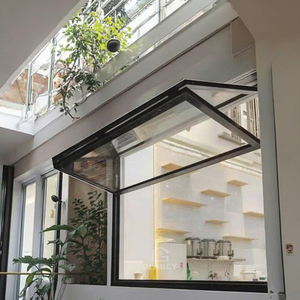
Aluminum Folding Windows With Double Glazing Vertical Opening
Request Specs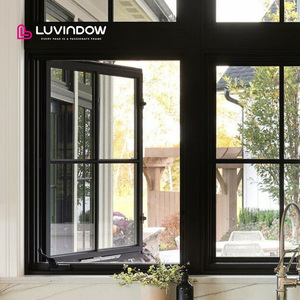
American Style Aluminum Crank Outward Opening Window
Request Specs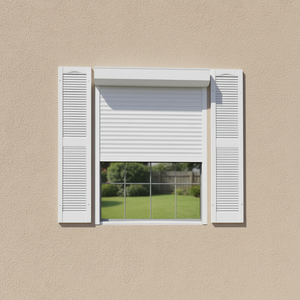
Electric Roller Shutters Triple Glazed Aluminum Windows
Request Specs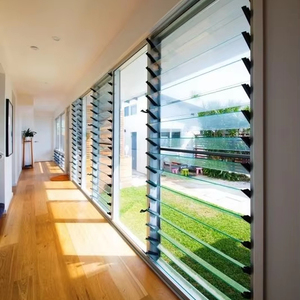
AS2047 Customized Thermal Break Aluminum Louver Window
Request Specs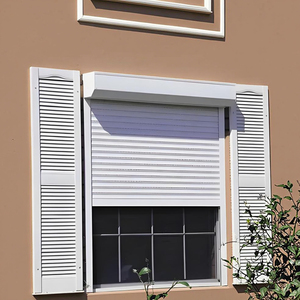
Electric Remote Control Rolling Shutter Aluminum Window
Request Specs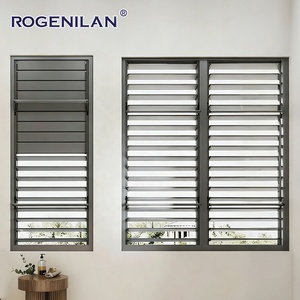
Custom Soundproof Aluminum Louver & Shutter Window
Request Specs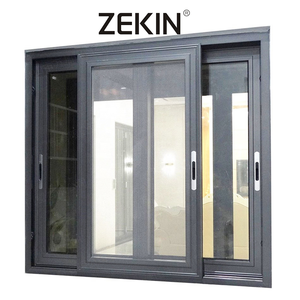
Thermal Break Double Glazed Low-E Aluminum Open Window
Request Specs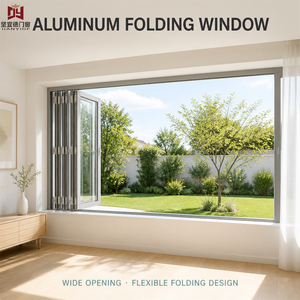
Aluminum Horizontal Folding Glass Window for Patio & Villa
Request SpecsNavigating Architectural Specifications for Aluminum Windows in Osaka
Osaka, as the commercial heart of the Kansai region, presents a unique set of meteorological and architectural challenges. Situated along Osaka Bay, the city experiences humid sub-tropical climatic conditions characterized by hot, corrosive coastal summer winds, heavy seasonal typhoons, and dense urban acoustic pollution in districts like Umeda, Namba, and Shinsaibashi. For architectural developers, general contractors (G组/Super-Zeken ecosystem partners), and high-end residential builders in Osaka, sourcing aluminum open windows (outward casement, tilt-and-turn, and awning configurations) from top-tier Chinese manufacturers requires absolute technical clarity regarding Japanese Industrial Standards (JIS A 4706) and local structural engineering criteria.
Standard architectural windows designed for mainland domestic projects often fail Japan’s strict inter-story drift (flexibility during seismic activity) and salt-spray corrosion resistance protocols. Premier Chinese manufacturers like Meric Window utilize multi-cavity thermal break 6063-T5 aluminum profiles, PA66GF25 polyamide insulation strips, and specialized anodic electrodeposition coatings (JIS H 8602 compliant) to deliver seamless operational performance across Kansai’s commercial and residential landscape.
Critical Engineering Parameters for Osaka Projects
When procuring aluminum open windows for Osaka modern villas, luxury apartments, and commercial facades, five core structural parameters dictate component selection:
- Typhoon Wind Load Resistance (JIS A 4706 S-5 to S-6 Standard): Osaka’s typhoon season brings atmospheric pressure drops and extreme velocity wind spikes up to 60 m/s. Windows must withstand positive and negative pressure testing up to 5000 Pa without frame deflection or gasket seal failure.
- Seismic Drift Clearance & Structural Flexibility: Windows installed in multi-story Osaka properties must accommodate seismic shear stresses. Corner-crimped structural joints reinforced with stainless steel brackets ensure the frame shifts within tolerance without shattering the insulated glass unit (IGU).
- Acoustic Isolation in Urban Metropolises: High-density zoning in Osaka demands sound reduction ratings of STC 38 to 42 dB. Incorporating asymmetrical double-glazed or laminated Low-E glass units effectively eliminates street level and train line high-frequency noise.
- Marine Corrosion Protection (Osaka Bay Proximity): Salt mist accelerated by sea breezes can severely degrade unprotected aluminum extrusions. Fluorocarbon (PVDF) sprayed or anodized electrodeposition finishes ensure zero oxide blooming over 25+ years.
- Energy Efficiency & Thermal Isolation (Zone 5/6 Standards): With Japan’s updated Building Energy Efficiency Act, modern structures require strict thermal U-values below 1.5 W/m²K to cut heating/cooling HVAC loads dramatically during humid summers and chilly winters.
Why Osaka Developers Partner with Top Chinese Manufacturers
Combining high-capacity precision extrusion, advanced European hardware integration, and direct export logistics to Osaka/Kobe ports.
JIS Compliance & Testing
Fully tested against Japanese Industrial Standards (JIS A 4706) for air tightness (A-4), water tightness (W-5), wind resistance (S-6), and sound insulation (T-2/T-3).
Custom Extrusion & Slim Frames
Ultra-narrow sightline extrusions maximize daylight penetration, reflecting minimal Japanese design aesthetics favored by Osaka architects.
Export Packing & Logistics
Units are individual-labeled by window schedule and packaged in export-grade reinforced steel-bound wooden crates for seamless customs clearance at Osaka Port.
Technical Comparison: Generic Windows vs. Osaka-Engineered Systems
Detailed breakdown highlighting performance gains engineered into Chinese exported aluminum open windows for Kansai architectural requirements.
| Specification / Parameter | Generic Domestic Window | Meric Osaka-Spec Aluminum Open Window | Osaka Project Benefit |
|---|---|---|---|
| Aluminum Alloy Grade | Recycled / Standard 6063-T5 | Primary 6063-T5 / 6060-T66 High-Toughness Extrusion | Higher tensile strength against severe typhoon wind shear. |
| Thermal Insulation Strip | Standard PVC or low-grade thermal strip | PA66GF25 Polyamide Glass-Fiber Reinforced Strips | Eliminates frame sweating/condensation in cold Osaka winters. |
| Surface Treatment | Standard Powder Coating (80 µm) | JIS H 8602 Anodized Electrodeposition or PVDF Fluorocarbon | Resists airborne salt spray corrosion near Osaka Bay coastline. |
| Glass Configuration | Single or Standard Double Clear Glass | Double/Triple Low-E + Argon Gas + Warm Edge Spacers | Complies with Japanese Zone 5/6 Energy Conservation Law. |
| Sealing Gaskets | Low-cost Rubber / PVC Gaskets | Continuous EPDM Vulcanized Double/Triple Sealing System | Ensures watertight sealing under 750 Pa torrential rains. |
| Hardware Systems | Unbranded Friction Stay & Handles | Multi-Point Locking (Siegenia, HOPPE, or COTO Heavy Duty) | Enhanced anti-burglary security and smooth 50,000+ cycle lifespan. |
Localized Application Scenarios in Osaka Real Estate
Custom engineering solutions tailored for varied building typologies across the Kansai area.
High-Density Condominiums (Umeda & Namba)
Tilt-and-turn open windows designed with sound-attenuating laminated glass eliminate train line noise and heavy street traffic rumble, offering micro-ventilation without compromising occupant safety at height.
Osaka Bay Hospitality & Resorts
Outward opening motorized louver and shutter windows with PVDF anti-corrosion coatings provide solar shading, typhoon protection, and dynamic airflow for luxury waterfront hotels.
Residential Villas (Minoo, Suita & Kobe Hills)
Ultra-narrow thermal break casement windows and vertical opening folding systems seamlessly blend outdoor garden views with indoor living spaces while providing peak thermal envelope efficiency.
Enterprise Advantage & Manufacturing Excellence for Japanese Imports
Sourcing aluminum open windows directly from a top Chinese supplier provides Osaka buyers with an unparalleled cost-to-performance ratio. As a specialized engineering manufacturer, Meric Window Systems maintains state-of-the-art extrusion lines, automated CNC machining centers, and dedicated testing laboratories capable of simulating atmospheric wind pressure, water penetration, and thermal conduction under precise laboratory conditions.
End-to-End Quality Assurance Protocol
Every order dispatched to Osaka undergoes a rigorous 5-step quality verification system designed to eradicate job-site delays:
- Architectural CAD & Shop Drawing Approval: Before production, detailed window schedules, mullion structural calculations, and installation flashing details are verified against project architectural prints.
- Precision Alloy Extrusion & Anodizing: 6063-T5 virgin aluminum billets are extruded with precise wall thickness tolerances (±0.15mm) and processed through automated anodizing lines.
- CNC Corner Crimping & Glazing: Frame corners are crimped with internal cast-aluminum corner keys and dual-component epoxy adhesives to ensure rigid squareness and prevent water ingress.
- Pre-Shipment Mockup Assembly: Randomly sampled units are fully assembled, checked for hardware alignment, seal compression, and smooth sash operation.
- Export-Grade Steel-Crated Packaging: Windows are wrapped in protective PE film, corner-guarded with foam armor, and loaded into heavy-duty wooden crates designed for fork-lift offloading at Japanese job sites.
Frequently Asked Questions for Osaka Procurement
Addressing critical inquiries regarding compliance, customization, lead times, and logistics for Japanese architectural projects.
Do your aluminum open windows comply with Japanese JIS A 4706 standards?
Yes. Our engineered window series undergo rigorous testing matching or exceeding JIS A 4706 requirements for wind load resistance (S-5 to S-6), water tightness (W-5), and air tightness (A-4). Full test reports are provided during technical submission.
How do your frames handle the high salt-mist environment near Osaka Bay?
We specify JIS H 8602-compliant anodic electrodeposition composite coatings or high-durability PVDF fluorocarbon coatings. These surface treatments prevent salt-spray oxidation, blistering, and color fading over extended operational lifespans.
Can you manufacture custom dimensions to fit Japanese architectural modules (Shaku/Ken)?
Absolutely. All profile cutting and sash assembly are driven by automated CAD/CAM software. We custom-fabricate windows precisely to your architectural schedule, whether metric or traditional Japanese grid dimensions.
What are the lead times for shipping container orders to Osaka Port?
Standard fabrication takes 25 to 35 days following final shop drawing sign-off. Maritime transit from our main ports (Shanghai/Ningbo) to Osaka or Kobe Port typically requires only 3 to 5 days, ensuring fast turnaround for site installation.
What hardware options are offered for out-swing and tilt-turn open windows?
We offer premium European multi-point lock systems (such as Siegenia, HOPPE, and Sobinco) as well as top-tier customized hardware engineered for high wind pressure resistance, child safety, and smooth ergonomic operation.
How do you assist local contractors with installation on site in Osaka?
Each crate includes detailed assembly guides, structural anchor layouts, and perimeter flashing instructions. Furthermore, our engineering team provides direct video support and CAD submittal packages to assist local Japanese installation crews.
Accelerate Your Osaka Architectural Project
Connect directly with our engineering sales department to receive complete product catalogs, technical drawing reviews, and custom wholesale estimates for your upcoming project.
Get Catalog