Featured China Aluminum Door & Window Systems for Ghana Projects
Explore our high-performance casement doors, slim sliding partitions, commercial storefronts, and impact-resistant systems engineered for West African climate conditions.
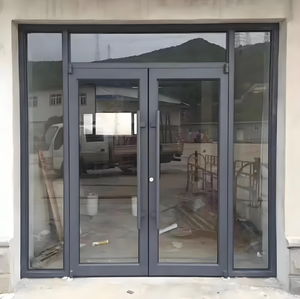
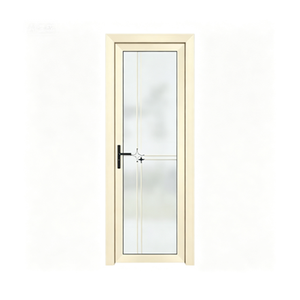
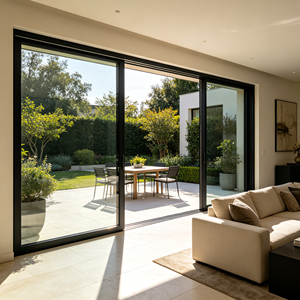
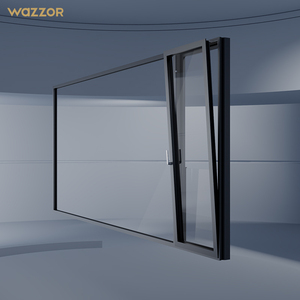
1. The Evolving Architectural Landscape & Demand for Aluminum Casement Doors in Ghana
Ghana's real estate sector is undergoing a rapid, sophisticated transformation. From high-end luxury residential developments in Accra's East Legon, Cantonments, and Airport Residential Area to expanding commercial hubs in Kumasi and coastal hotel projects in Takoradi, property developers and homeowners are shifting away from traditional wood and iron doors. Tropical weather challenges—specifically high humidity, intense solar radiation, seasonal Harmattan dust storms, and coastal salt-spray corrosion—demand building materials that combine structural rigidity, solar heat reduction, and permanent low-maintenance longevity.
As a leading Chinese manufacturer specializing in high-performance architectural glazing, Meric Window Systems Co., Ltd. delivers engineered aluminum casement door solutions tailored specifically for West African microclimates. Aluminum casement doors are uniquely suited for Ghana’s architectural demands. Unlike sliding mechanisms which rely on open track channels prone to accumulating airborne dust and debris, side-hinged casement systems utilize compression perimeter seals (EPDM double or triple gaskets). When locked, the casement sash presses firmly against the frame, forming an airtight and watertight seal capable of withstanding heavy equatorial rainstorms and preventing dust infiltration during Harmattan seasons.
Localized Application Scenarios across Ghana's Key Real Estate Sectors
Luxury Private Villas & Estates
Installed as grand main entrance doors or rear patio exits in places like East Legon and Aburi Hills. Equipped with multi-point stainless steel locking systems, heavy-duty 304 friction hinges, and optional stainless steel flyscreen/burglar mesh, these casement doors provide high security alongside maximum clear opening widths.
Commercial Buildings & Storefronts
Deployed across corporate offices, retail complexes, and banking halls in central Accra (Osu, Ridge). Heavy-duty commercial casement doors feature reinforced wall profiles (up to 2.0mm–3.0mm thickness), smart access control hardware integration, and hurricane-impact tempered glass to handle heavy foot traffic and security requirements.
Coastal Resorts & Hospitality
For beachfront resorts in Ada Foah, Cape Coast, and Busua. These doors utilize marine-grade PVDF surface coatings or high-micron anodized finishes to resist salt spray corrosion (C5 grade environmental rating), paired with double Low-E solar reflective glass to reduce air conditioning loads.
2. Technical Engineering & Material Standards for Importing Aluminum Casement Doors from China
When procurement officers, architectural specifiers, and building contractors in Ghana import aluminum casement doors from Chinese manufacturers, verifying technical specifications is paramount. Substandard profiles with thin aluminum walls or low-quality powder coatings quickly degrade under West African UV exposure, leading to frame warping, finish chalking, and hardware binding.
At Meric Window Systems, our manufacturing standards adhere strictly to international architectural codes. Below is an engineering comparison matrix designed to assist Ghanaian buyers in selecting the appropriate door profile and glazing configuration based on project demands:
| Technical Component | Standard Residential Grade | Meric Premium Architectural Grade (Ghana Spec) | Performance Impact in Ghana Climate |
|---|---|---|---|
| Alloy & Temper | Recycled / Standard Aluminum | 6063-T5 Primary Extrusion Alloy | Prevents structural deformation under severe wind pressure and temperature swings. |
| Profile Wall Thickness | 1.2 mm - 1.4 mm | 1.8 mm - 2.5 mm Heavy Duty Profile | Provides maximum hinge retention strength, anti-burglary rigidity, and longevity. |
| Surface Finish Treatment | Basic Powder Coating (< 40 Micron) | AkzoNobel PVDF Coating / Anodized (> 60-80 Micron) | Resists fading, chalking, and salt spray corrosion in coastal areas (Accra, Tema, Cape Coast). |
| Thermal Insulation | Non-Thermal Break Profile | PA66 Polyamide Thermal Break Strips | Blocks outdoor heat conduction into air-conditioned indoor spaces, cutting power bills. |
| Glazing Specification | Single Sheet Clear Glass (5mm) | 6mm + 12Ar + 6mm Double Tempered Low-E Glass | Reflects up to 75% of solar heat (Low SHGC), drastically reduces indoor solar gain. |
| Sealing Gasket System | PVC Plastic Strips | Continuous Co-extruded EPDM Rubber Gaskets | Prevents water leaks during monsoon storms and blocks fine Harmattan dust. |
| Hardware & Lockset | Single-point Latch, Zinc Alloy | Multi-point 304 Stainless Steel Security Lockset | Enhances residential security while guaranteeing smooth operation without rust. |
3. Market Trends: Why Ghanaian Importers & Contractors Prefer Direct Sourcing from Top Chinese Factories
The trade corridor between China and Ghana for architectural materials has expanded rapidly over the past decade. Ghanaian buyers—including commercial developers, residential homeowners, and hardware importers—increasingly favor direct sourcing from specialized Chinese manufacturers over local distributors for several crucial reasons:
A. Uncompromised Customization & Architectural Flexibility
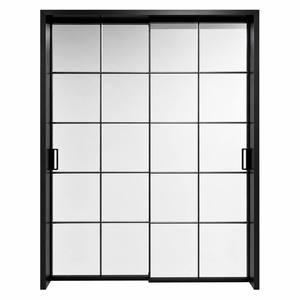
Local market stock in Ghana often limits builders to standard sizes and off-the-shelf colors (usually basic anodized silver or powder-coated white). Chinese manufacturers like Meric offer complete OEM/ODM customization. Whether architects demand ultra-narrow slim-line frames for minimalist modern designs, vintage industrial grid panels (Crittall-style), or authentic wood-grain powder coat finishes, custom extrusion lines deliver exact drawing-matched components.
B. Cost-Efficiency & Factory-Direct Margins
By eliminating intermediary traders and regional distributors, Ghanaian developers save between 30% to 45% on overall glazing and joinery costs. Sourcing containerized shipments (20GP / 40HQ) direct from Foshan or Guangzhou manufacturing hubs allows large-scale projects to upgrade to double-glazed thermal break casement systems for the same price as basic local non-thermal single-glazed installations.
C. Integrated Security & Insect Screen Solutions
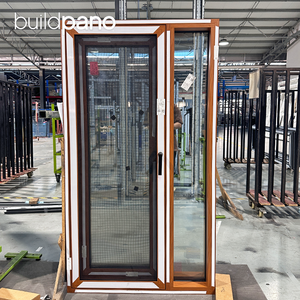
Security is a top priority for Ghanaian building owners. Modern Chinese casement doors are engineered with integrated dual-sash designs—featuring an outer glass casement leaf paired with an inner high-tensile 304 stainless steel security mesh sash (often 0.8mm wire diameter). This allows home occupants to leave the glass door open for natural cross-ventilation during hot evenings while maintaining a robust barrier against mosquitoes and unauthorized intrusion.
D. Rigorous Export Packaging for Ocean Transit
Long maritime routes from Chinese shipping ports (Ningbo, Shenzhen, Guangzhou) to the Port of Tema require ocean-proof packing standardizations. Export-ready doors undergo surface protective film application, corner foam guards, vacuum sealing, and loading into fully enclosed fumigated wooden crates or heavy-duty steel racks to guarantee 100% scratch-free arrival at job sites in Ghana.
Why Meric Window Systems is Ghana's Most Trusted Chinese Manufacturing Partner
As a senior manufacturer with decades of specialized export experience, Meric Window Systems Co., Ltd. bridge high-end European engineering precision with China's unmatched production capacity. We cater specifically to international real estate developers, contractors, and private buyers who require verified performance metrics.
In-House CNC Fabrication
Automated German CNC cutting and corner-crimping technology ensures every door frame joint is accurate to 0.1mm, guaranteeing zero air gap leakage and flawless opening alignment.
Complete Technical Drawing Support
Our structural engineering team converts your architectural CAD/Revit blueprints into detailed shop drawings and wind pressure calculation reports before production begins.
100% Pre-Shipment Inspection
Every manufactured casement door is pre-assembled on test frames in our factory to inspect locking mechanism fluidness, water drainage channels, and coating consistency.
Frequently Asked Questions (FAQ) for Importers in Ghana
Get authoritative answers regarding shipping, local climate suitability, customs clearing, and technical specifications for sourcing aluminum doors from China.
In hot climates like Accra or Kumasi, standard aluminum frames transfer massive amounts of heat from outdoor air directly into the building interior. A PA66 polyamide thermal break strip acts as a thermal barrier within the aluminum sash and outer frame. Paired with double Low-E argon glass, it prevents up to 75% of solar radiation from penetrating the interior. This maintains cooler indoor temperatures, significantly reduces air conditioning load, and dramatically lowers monthly electricity bills.
For buildings located within 15 km of the ocean (such as coastal areas in Accra, Tema, or Cape Coast), we strongly recommend PVDF (Fluorocarbon resin) coating or high-thickness Anodizing (≥ 25 microns). PVDF coatings resist salt spray corrosion, humidity oxidation, and intense UV degradation far better than basic powder coating, ensuring your doors won't pit, peel, or fade for over 25 years.
Production time at our factory generally takes 20 to 30 days depending on custom specification and job quantity. Sea freight transit time from major Chinese ports (Guangzhou/Shenzhen/Ningbo) to the Port of Tema, Ghana typically takes 30 to 40 days. We recommend planning procurement 65–75 days prior to your project installation deadline.
Yes! We specialize in bespoke project manufacturing. Importers or contractors can send us their architectural elevations, CAD files, or window and door schedules. Our engineering department will generate detailed 2D/3D shop drawings, profile section details, and itemized quotations free of charge for your verification before production commences.
All finished aluminum casement doors are wrapped in scratch-resistant protective film, corner-shielded with high-density EPE foam, and packed inside fully enclosed, ISPM-15 compliant fumigated plywood crates or reinforced steel frames. Units are strapped tight inside shipping containers to prevent any movement or impact damage during transit to Tema or Takoradi ports.
Yes. We supply multi-functional casement door systems featuring dual sash tracks. You can choose an integrated 304 stainless steel diamond security mesh leaf that operates independently of the glass sash. This provides heavy-duty anti-theft protection while stopping mosquitoes and allowing fresh air circulation during warm West African evenings.
Ready to Partner with China's Leading Aluminum Casement Door Manufacturer?
Get a direct factory quote, technical shop drawings, and specialized material consulting tailored to your building project in Ghana.
Send an Inquiry